MIT’s Science Policy Initiative holds 15th annual Executive Visit Days
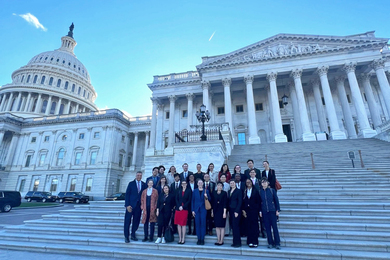
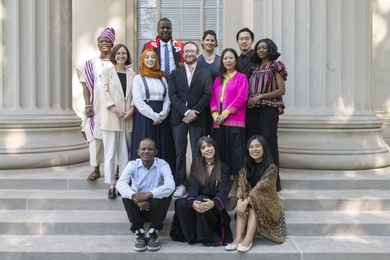
Students and postdocs traveled to Washington to learn about federal science and technology policymaking.
Macro, a modeling tool developed by the MIT Energy Initiative, enables energy-system planners to explore options for developing infrastructure to support decarbonized, reliable, and low-cost power grids.
The MIT Technology and Policy Program marked 50 years with a symposium exploring its history of education, research, and impact — while looking ahead to technology policy issues of the future.
Five-year collaboration between MIT and GE Vernova aims to accelerate the energy transition and scale new innovations.
MIT faculty and MITEI member company experts address power demand from data centers.
First-of-its-kind handbook serves as a guide for design safety for civilian nuclear ships.
Assistant Professor Priya Donti’s research applies machine learning to optimize renewable energy.
Mihaela Papa discusses the BRICS Lab, her role at the Center for International Studies, and the center's ongoing ambition to tackle the world's most complex challenges in new and creative ways.
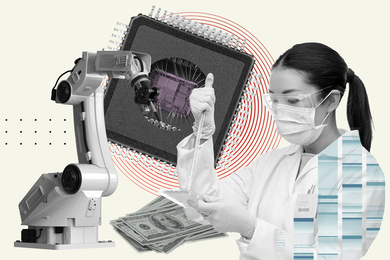
The Initiative for New Manufacturing is convening experts across the Institute to drive a transformation of production across the U.S. and the world.
Trancik will lead multidisciplinary research center focused on the high-impact, complex, sociotechnical systems that shape our world.
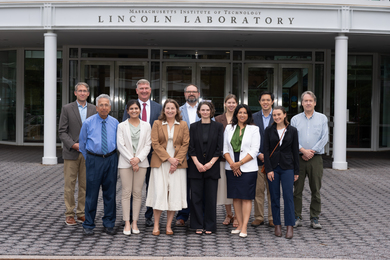
Lincoln Laboratory cybersecurity expert Hamed Okhravi calls for a unified approach to securing computer memory, as a matter of national security.
MIT Advanced Vehicle Technology Consortium marks a decade of developing data that improve understanding of how drivers use and respond to increasingly sophisticated automotive features.
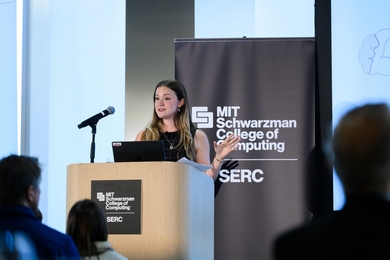
The MIT Ethics of Computing Research Symposium showcases projects at the intersection of technology, ethics, and social responsibility.
A new book from Professor Munther Dahleh details the creation of a unique kind of transdisciplinary center, uniting many specialties through a common need for data science.
As assistant director for academic programs for the Department of Urban Studies and Planning, Lorena Tovar connects with and supports both faculty and students.