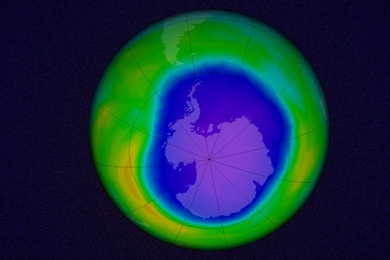
Scientists observe first signs of healing in the Antarctic ozone layer
September ozone hole has shrunk by 4 million square kilometers since 2000.
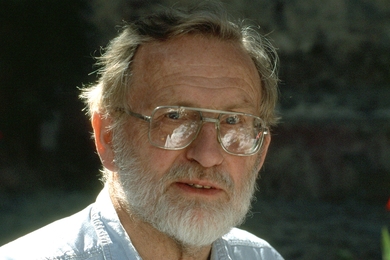
MIT professor contributed to theory and practice of nuclear arms control and established the MIT Security Studies Program.
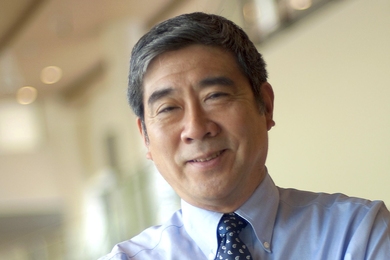
Taylor Fravel will examine Asia’s maritime conflicts in further depth.
Funded by Myrna Bustani in memory of her father, Emile M. Bustani '33, the seminar is hosting two public lectures in March.
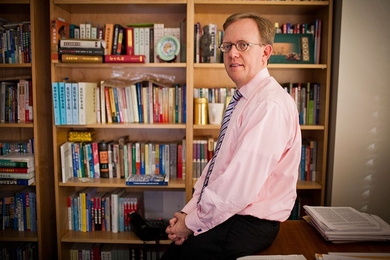
PhD student Yiqing Xu applies new methodology for better insight into the Chinese political economy.
Research merges security policy, political science, and international relations.
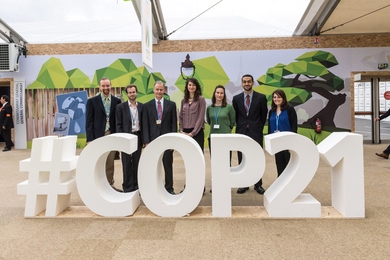
MIT events throughout climate talks underscore Institute’s global perspectives and partnerships.
"World Climate" simulation, developed by MIT and Climate Interactive, challenges perceptions about climate negotiations and countries’ development needs.
A passion for climate policy leads to an opportunity to attend the United Nations climate change conference, where countries look to forge new solutions.
Seventy-five years ago, an international meeting of scientific minds changed forever how MIT and other research institutions develop new technologies.
IPL faculty lead describes the project's origins and invites proposals for lab-funded policy research projects.
Meeting with French leaders and industry representatives at U.S. Embassy in Paris highlights value of interdisciplinary partnerships to advance low-carbon technologies.
Leading climate economists discuss prospects for a global agreement.