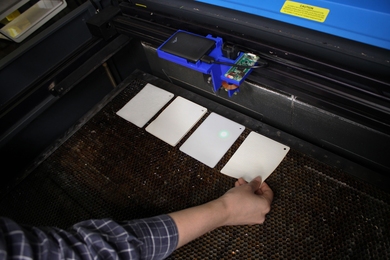
Smart laser cutter system detects different materials
SensiCut, a smart material-sensing platform for laser cutters, can differentiate between 30 materials commonly found in makerspaces and workshops.
SensiCut, a smart material-sensing platform for laser cutters, can differentiate between 30 materials commonly found in makerspaces and workshops.

Study shows a need to identify domestic and international pollution sources in policy design.

Longtime EECS faculty member was known for his work on the biophysics of auditory systems.
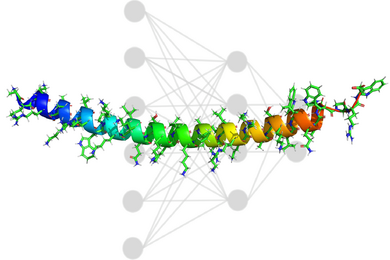
MIT researchers employ machine learning to find powerful peptides that could improve a gene therapy drug for Duchenne muscular dystrophy.

Probabilistic programming language allows for fast, error-free answers to hard AI problems, including fairness.
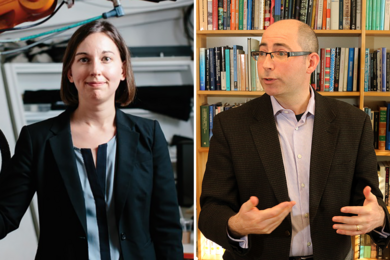
Advancing the study and practice of thinking responsibly in computing education, research, and implementation.
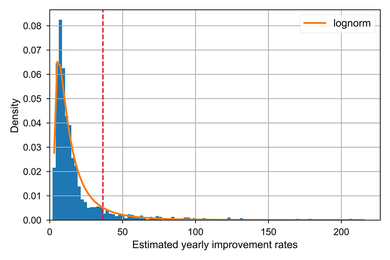
New research using patent data could help inform decision-makers by predicting which technologies are improving the fastest.

The 2021 School of Engineering Accenture Fellows are bolstering research and igniting ideas to help transform global business.

Computer science and engineering majors Guang Cui and Daniel Sun are best friends — and now, alumni of the TV competition “American Ninja Warrior.”

The Space Exploration Initiative supports research across and beyond MIT in two microgravity flights this spring.

Research finds Covid-19-related lockdowns led to a marked reduction in walking in lower-income areas of major metropolises.
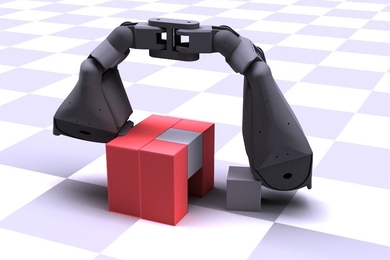
A novel method to represent robotic manipulators helps optimize complex and organic shapes for future machines.
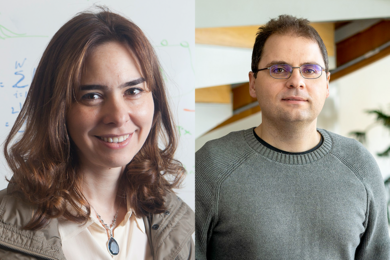
Dina Katabi and Aleksander Madry receive additional support to pursue their research and develop their careers.
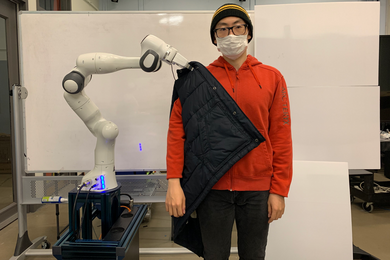
A human-aware motion planning algorithm addresses the safety gap in collaboration between robots and humans.

How data from Access MIT informs flexible, sustainable commutes as staff returns to campus.