
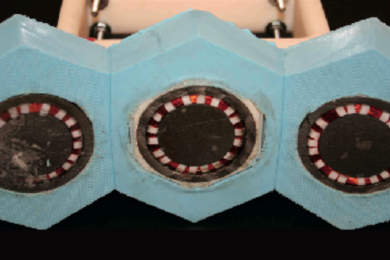
Helping robots hold on
MIT researchers design a ‘controllable adhesion system’ for underwater robots.
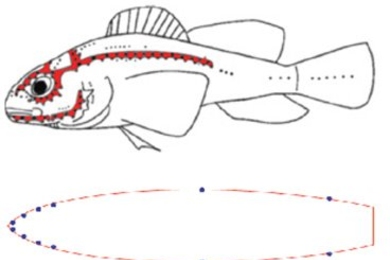


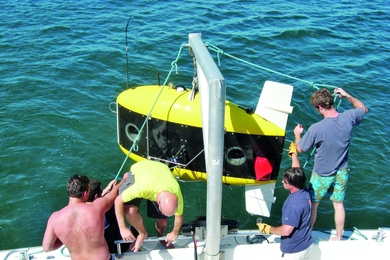
Navigating blindfolded
Advanced mathematical techniques enable AUVs to survey large, complex and cluttered seascapes.
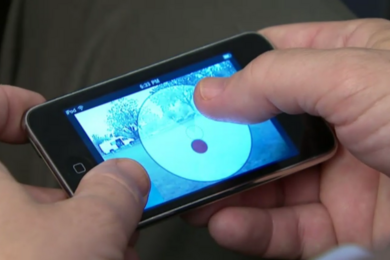
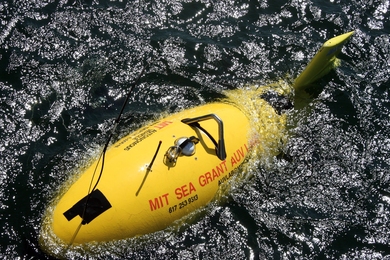
AUVs: From idea to implementation
One day, researchers predict, these robots will be able to do tasks without a human in the loop.
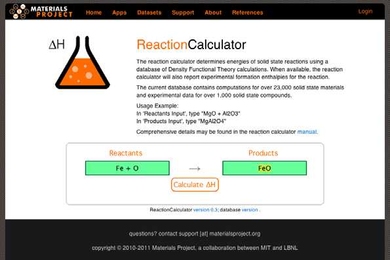
Materials research in the Information Age
MIT, Lawrence Berkeley launch new tool to calculate properties of new materials


Olin College president discusses engineering education
Richard Miller discusses innovation in undergraduate teaching, learning.
Many man-made and natural networks have same underlying architecture
In first DES4, Albert-László Barabási explains the concept of scale-free networks using the Web.

Exploring the inner workings of materials
From concrete to cancer cells, Van Vliet brings an engineer’s mindset to the study of biology and materials.


New algorithm could substantially speed up MRI scans
Faster scans could reduce the time patients spend in the machine from 45 to 15 minutes.