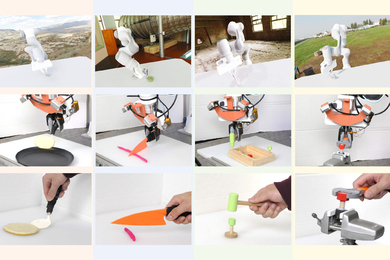
A technique for more effective multipurpose robots
With generative AI models, researchers combined robotics data from different sources to help robots learn better.
With generative AI models, researchers combined robotics data from different sources to help robots learn better.

Honing her values and career path through her D-Lab classes, the MIT senior sets her sights on leveling inequalities in global health.

New adhesive hydrogel coatings could prolong the lifespan of pacemakers, drug delivery depots, and other medical devices.
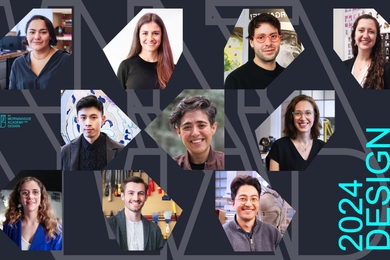
The 10 Design Fellows are MIT graduate students working at the intersection of design and multiple disciplines across the Institute.

Faculty and researchers across MIT’s School of Engineering receive many awards in recognition of their scholarship, service, and overall excellence.

Audrey Chen ’24 landed an internship at NASA before she was old enough to drive. Here’s her secret to success.
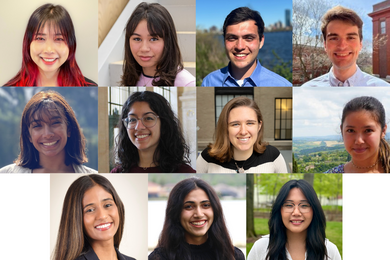
The Fulbright US Student Program funds research, study, and teaching opportunities abroad.
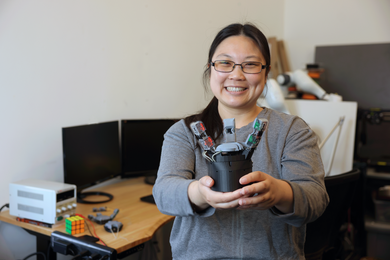
MIT CSAIL researchers enhance robotic precision with sophisticated tactile sensors in the palm and agile fingers, setting the stage for improvements in human-robot interaction and prosthetic technology.

The all-volunteer student-run bike shop, founded by graduate student Bianca Champenois, provides repair and maintenance services, emphasizes hands-on learning, and promotes sustainable transportation.
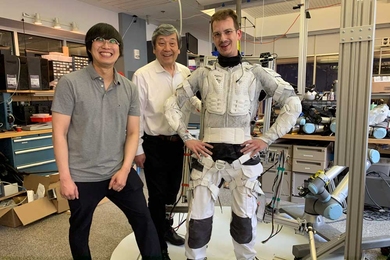
A new MIT system could help astronauts conserve energy and extend missions on the lunar surface.

Jonathan Bessette and Akash Ball have been named 2024-25 J-WAFS Fellows for water treatment technologies.
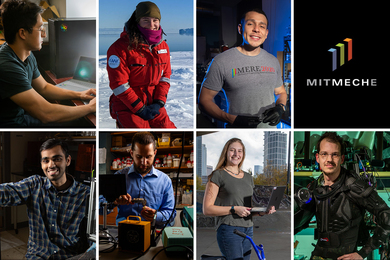
MIT Department of Mechanical Engineering grad students are undertaking a broad range of innovative research projects.
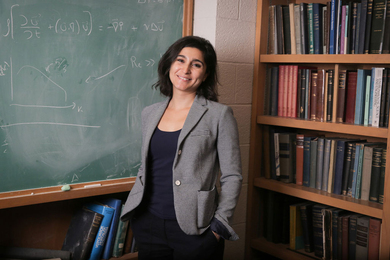
Lydia Bourouiba’s research on fluid dynamics influenced new guidance from the World Health Organization that will shape how health agencies respond to respiratory infectious diseases.

New CLAUDIA system could continuously monitor patients during an infusion and adjust dosage to maintain optimal drug levels.

Surprising “photomolecular effect” discovered by MIT researchers could affect calculations of climate change and may lead to improved desalination and drying processes.