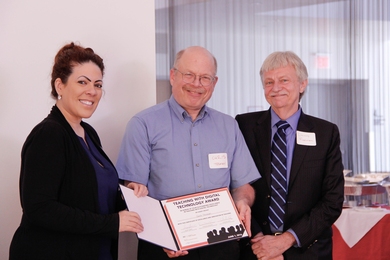
First annual MIT Teaching with Digital Technology Awards presented
Awards honor faculty and instructors who have effectively leveraged digital technology to improve teaching and learning at MIT.
Awards honor faculty and instructors who have effectively leveraged digital technology to improve teaching and learning at MIT.
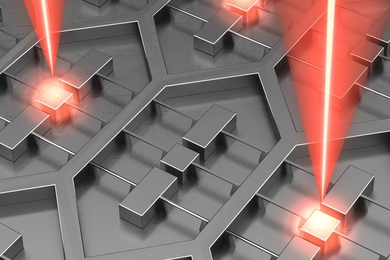
Technique for “phase locking” arrays of tiny lasers could lead to terahertz security scanners.
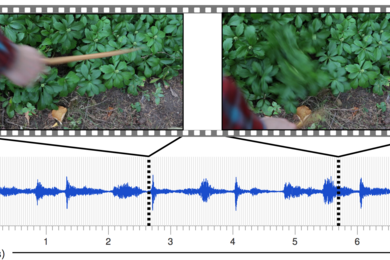
Video-trained system from MIT’s Computer Science and Artificial Intelligence Lab could help robots understand how objects interact with the world.
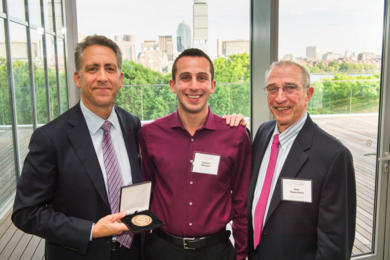
Awards were given to outstanding faculty, undergraduates, and graduate students.
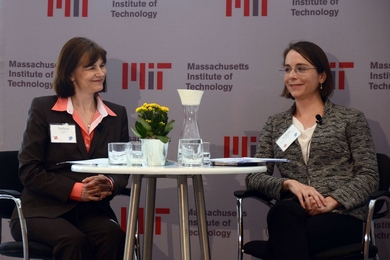
Special event marks four decades of TPP and looks to the future of technology and policy.

New algorithm could stitch together astronomical measurements made across the globe.

MIT researchers are creating tools that synthesize and collect data so that urban planners can vastly improve the quality of urban life.

Analysis shows popular video game is among the hardest problems in the “complexity class” PSPACE.


Shah named head of house after serving as Sidney Pacific associate housemaster; Alexandre joins East Campus as associate head of house.

Honor recognizes individuals who have demonstrated ability and special aptitude for advanced training in science and engineering.
![“[T]oday, if you want to write a program, you go and bring in these huge frameworks and these huge pieces of functionality that you then glue together, and you write a little code to get them to interact with each other. If you don’t understand what that big framework is doing, you’re not even going to know where your program is going to start executing,” says Armando Solar-Lezama.](/sites/default/files/styles/term_page__news_article/public/images/201605/MIT-Symbolic-Execution.jpg?itok=A5FxILHQ)
System could make complex analysis practical for programs that import huge swaths of code.
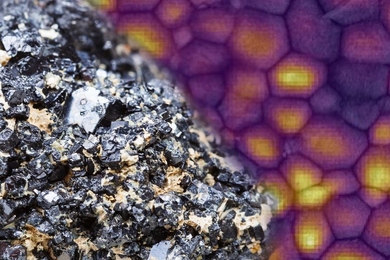
Defects in some new electronic materials can be removed by making ions move under illumination.
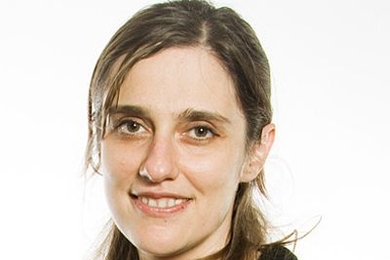
Leader in human language technologies has been appointed the Delta Electronics Professor of Electrical Engineering and Computer Science.