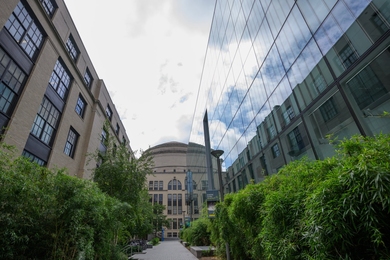
MIT Quantum Initiative launches postdoctoral fellowship program
The Institute welcomes its first cohort of QMIT Fellows this fall to advance interdisciplinary quantum research.
The Institute welcomes its first cohort of QMIT Fellows this fall to advance interdisciplinary quantum research.
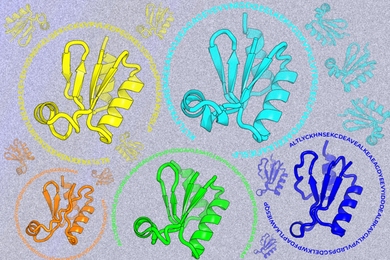
A new machine-learning framework aims to improve the success rate of computational protein design while moving away from results that reproduce sequences found in nature.
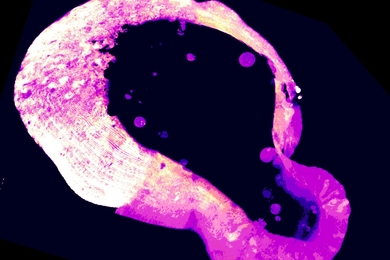
This discovery points toward new combination strategies against cancer, and may explain the iron buildup seen in disorders such as early-onset Parkinson’s disease.
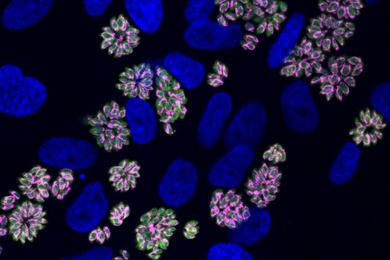
A new study by Whitehead Institute researchers identifies how the widespread parasite Toxoplasma gondii survives in crowded environments in infected cells, which helps it persist in long-lasting brain cysts.
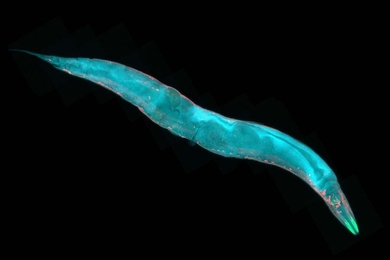
A study of worms finds a protein that helps shape the structure of the genome is critical for establishing the identity of some neurons.
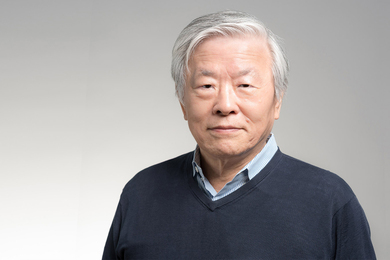
Tonegawa made landmark discoveries about how the immune system generates antibody diversity and how the brain forms memories.

MIT researchers have found that a ketogenic high-fat, low-carbohydrate diet fuels the growth of intestinal tumors.
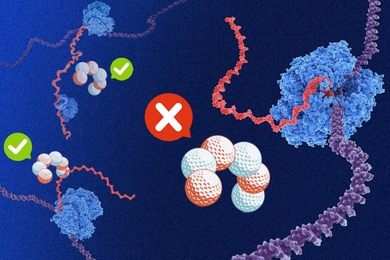
In certain species of bacteria, the answer lies in shielding RNA transcripts from a quality-control factor called Rho. Understanding the requirements for expressible sequences is critical for expression engineering of therapeutic agents.
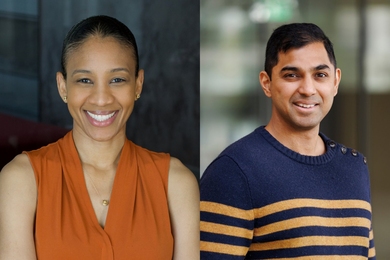
Cell biologist Whitney Henry and immunologist Harikesh Wong will receive four years of flexible funding to advance early-career research on ferroptosis and immune decision-making.
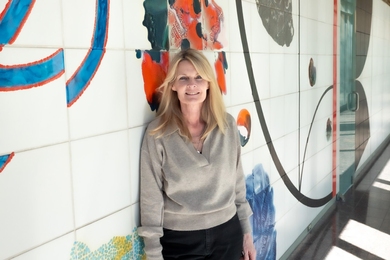
Karen O’Leary, lab associate and acting supervisor in the Glassware Sterilization Facility (a.k.a. “the kitchen”), has become a cornerstone of the department’s operations.
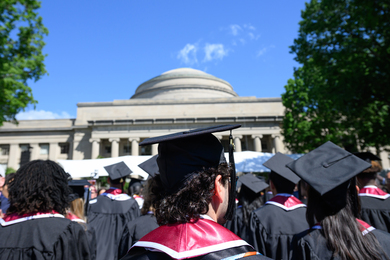
Ranking at the top for the 15th year in a row, the Institute also places first in 12 subject areas.
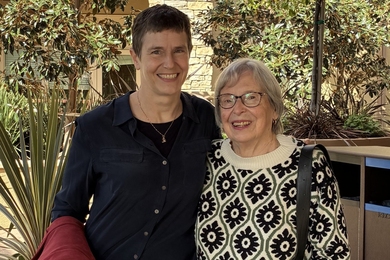
From Boston to Moscow and across the U.S., Harriet Latham Robinson SM ’61, PhD ’65 has balanced an exciting career at the forefront of molecular biology with family, friends, and adventure.
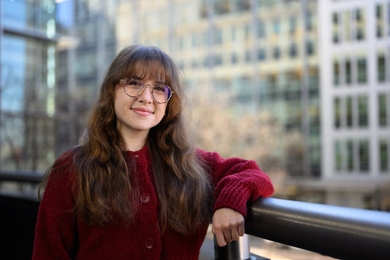
Biology PhD student Giselle Valdes studies stem cell regeneration while encouraging aspiring students and researchers.
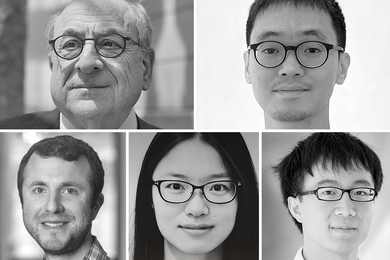
Faculty member Shu-Heng Shao, in addition to four MIT alumni, are honored by the Breakthrough Prize Foundation.
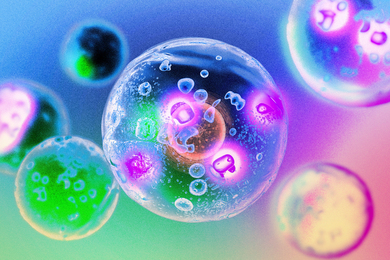
MIT biologists find highly concentrated droplets can help cells keep enzymes organized and control growth signals.