
Faster computer graphics
Digitally mimicking the photographic blur caused by moving objects is surprisingly hard, but new research offers ways to make it easier.
Digitally mimicking the photographic blur caused by moving objects is surprisingly hard, but new research offers ways to make it easier.
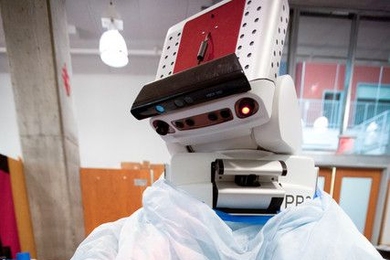
Graduate student Mario Bollini of Professor Daniela Rus' Distributed Robotics Lab is currently programming the PR2 robot to bake chocolate chip cookies.
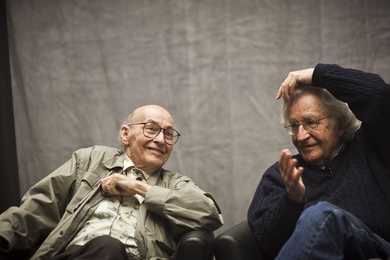
Final installment of MIT’s 150th anniversary symposia explores intelligence — both human and artificial.

Part of the 40 Under 40: Craft Futures exhibition, which will run starting in 2012.
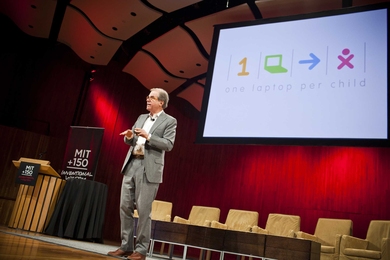
As part of MIT’s 150th-birthday celebration, computer science luminaries — many from MIT's faculty — gathered on campus for a two-day symposium.
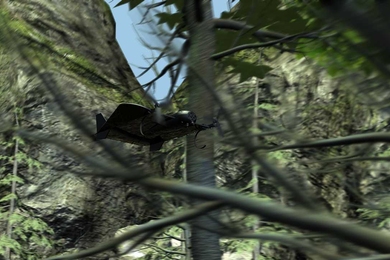
Multidisciplinary university research initiative, led by a CSAIL researcher, is developing a bird-sized UAV.
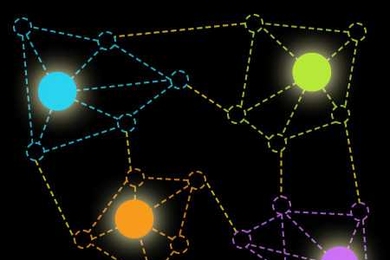
By envisioning data as 'graphs,' MIT researchers show how to find local solutions to otherwise overwhelmingly complex problems.

The professor of computer science, 45, is only the fourth recipient of the prize from the Association for Computing Machinery.
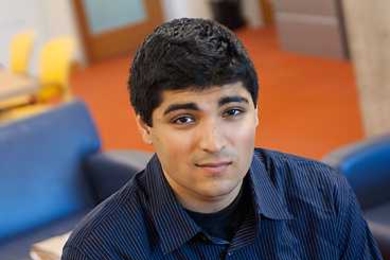
If software companies design their algorithms with the sole intention of outperforming each other, the customer can be the loser.

Public-key system has worked and made Internet commerce feasible, but new systems are ready in case flaws are found.
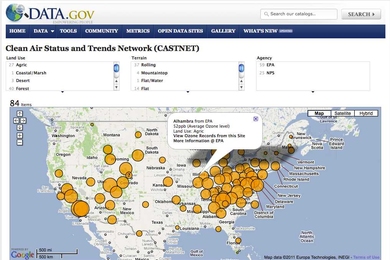
MIT Libraries receives grant for work on 'Exhibit 3.0' software
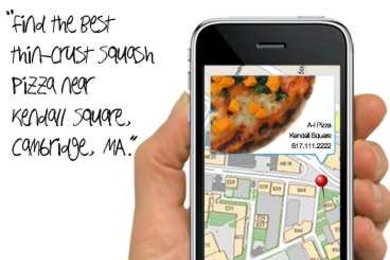
A new system automatically combs through online reviews to provide recommendations according to unusual criteria.
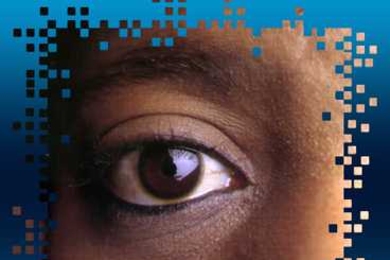
New mathematical model of information processing in the brain accurately predicts some of the peculiarities of human vision.
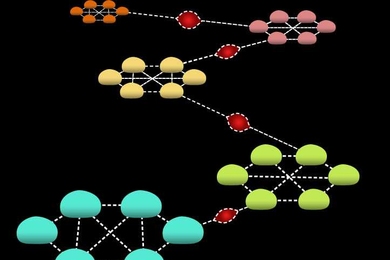
A new algorithm enables much faster dissemination of information through self-organizing networks with a few scattered choke points.
