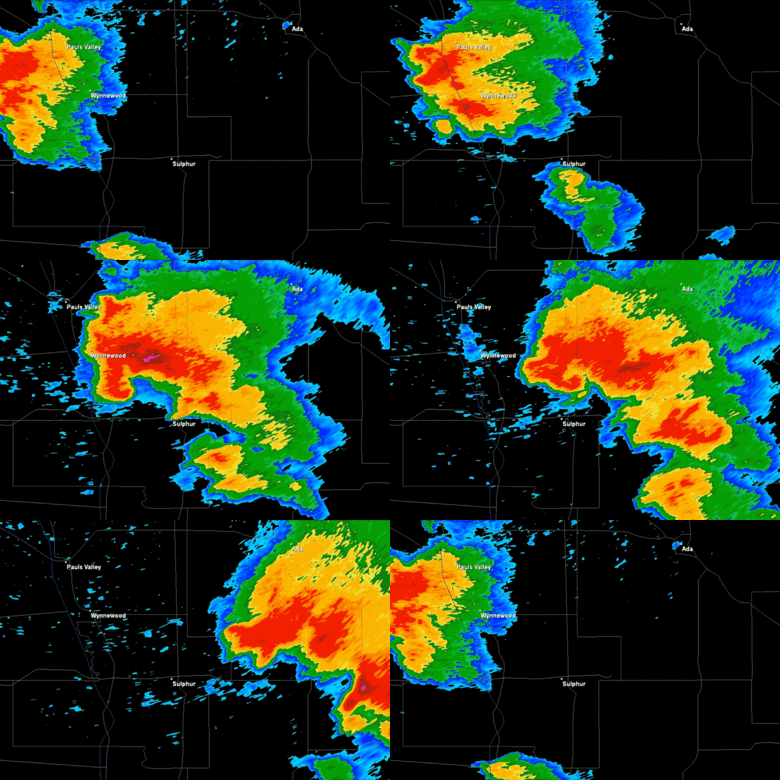
Researchers improve weather forecasts looking two to six weeks out
A new machine-learning approach broke records for weather forecasting for an important time frame in emergency planning.
A new machine-learning approach broke records for weather forecasting for an important time frame in emergency planning.

The Climate Grand Challenges “New World of Weather” project shows how modeling, planning tools, and infrastructure analysis are translating research into real-world resilience.
A new algorithm learns to anticipate the unprecedented scenarios that critical infrastructure and global supply chains are least prepared for.
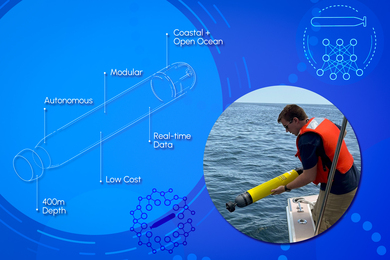
Founded by Ravi Pappu SM ’95, PhD ’01, Apeiron Labs is deploying low-cost ocean sensors to improve storm forecasts, detect endangered species, and more.
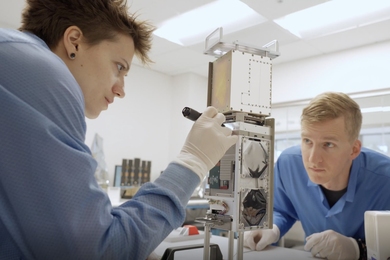
Mini microwave sounders developed at Lincoln Laboratory, demonstrated on a NASA mission, and now transferred to industry, are expanding storm-forecasting capabilities.
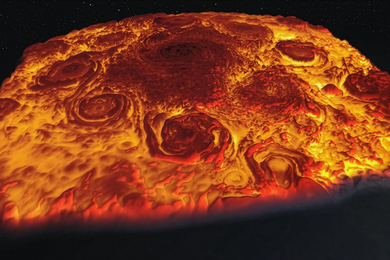
New research may explain the striking differences between the two planets’ polar vortex patterns.
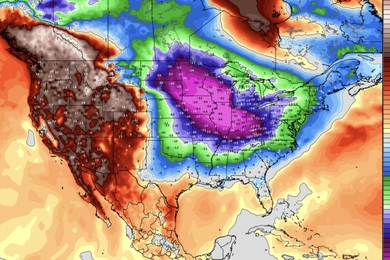
With the help of AI, MIT Research Scientist Judah Cohen is reshaping subseasonal forecasting, with the goal of extending the lead time for predicting impactful weather.

As these events become more common at midlatitudes, a phenomenon called an atmospheric inversion will determine how long they last.
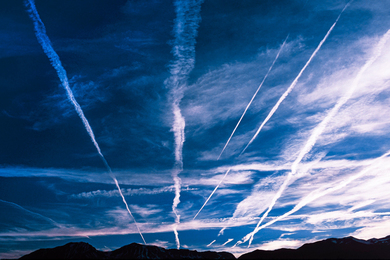
Images from geostationary satellites alone aren’t enough to help planes avoid contrail-prone regions, MIT researchers report.
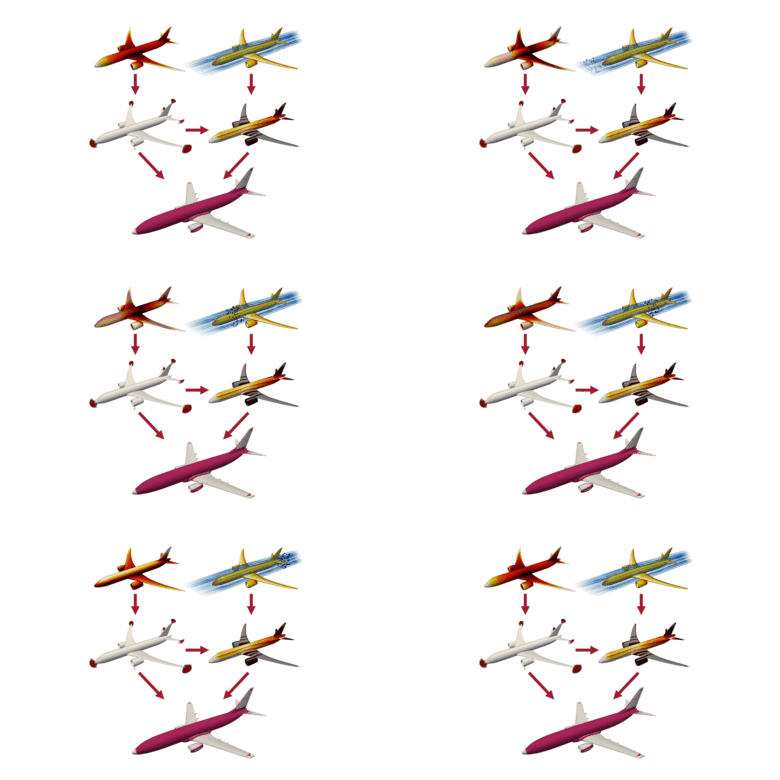
The new approach maps aircraft sections most vulnerable to lightning, including on planes with experimental designs.
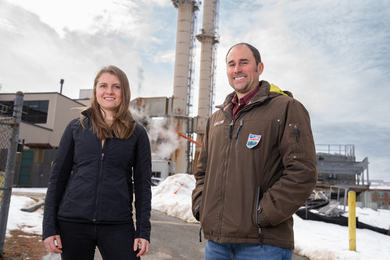
Now mandated by law, Lincoln Laboratory’s blackout drills are improving national security and ensuring mission readiness.
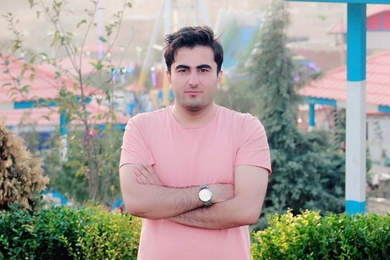
How experience with real-world problem-solving, combined with MIT Open Learning’s online resources and internship opportunities, solidified one Afghani learner’s career path.
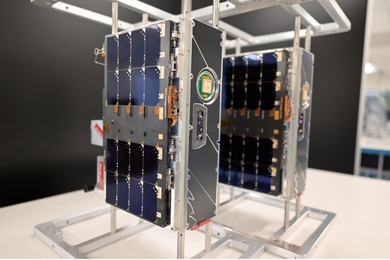
Federal Laboratory Consortium award recognizes excellence in commercializing small microwave sounders expected to improve weather forecasts.

The method could help communities visualize and prepare for approaching storms.
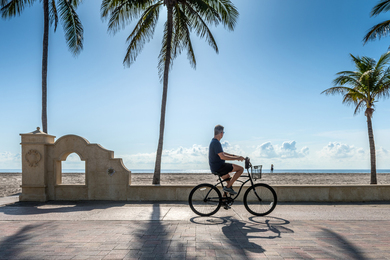
Using the concept of “outdoor days,” a study shows how global warming will affect people’s ability to work or enjoy recreation outdoors.