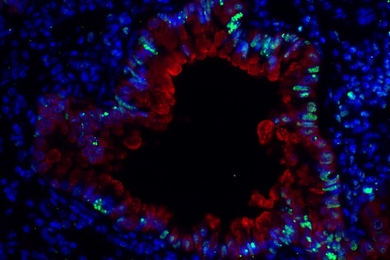

3 Questions: Amit Kumar and Gregory Stephanopoulos on turning waste gases into biofuels
Research conducted by Kumar, along with a team led by Professor Greg Stephanopoulos, looks to the future of emissions reduction and recycling.
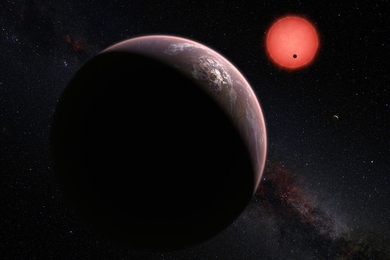
Scientists discover potentially habitable planets
Just 40 light years from Earth, planets are best targets so far for search for extraterrestrial life.
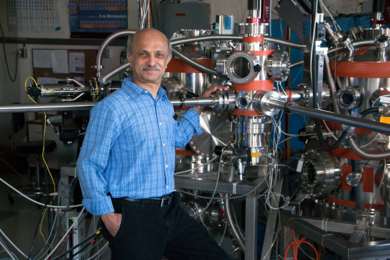
Research highlight: Jagadeesh Moodera
Step-by-step, the Moodera Research Group is building the essential knowledge and hardware for next-generation quantum computers.
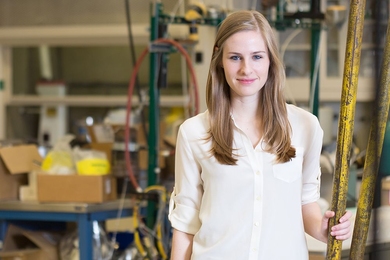
Carolyn Coyle: Engineering CRUD for better nuclear reactors
In an effort to improve reactor safety and efficiency, new research aims to bring corrosive particle buildup out of the shadows.
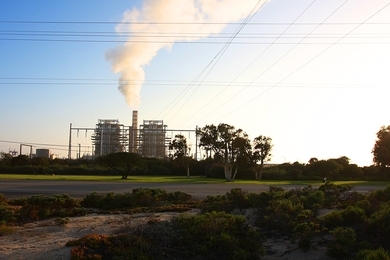
Higher coal use in Asia could increase water stress
Aerosol emissions would slow warming but suppress rainfall.
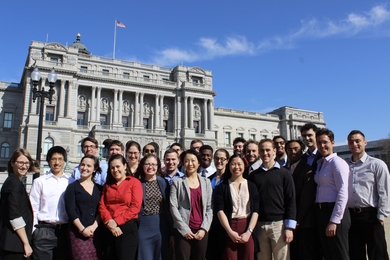
Addressing members of Congress, MIT students advocate for science funding
Congressional visits help to impress the need for scientists' involvement in national policy.
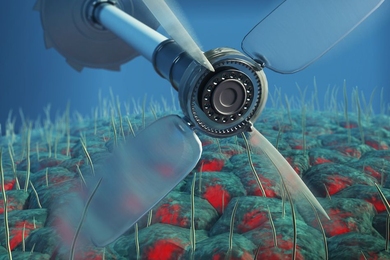
Spotting hidden activity in cells
New data analysis technique distinguishes active from passive fluctuations inside cells.
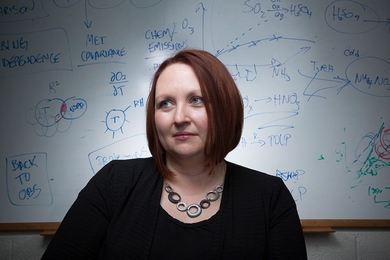
There’s something in the air
Colette Heald studies atmospheric gases and particles, and how they affect air quality and climate.
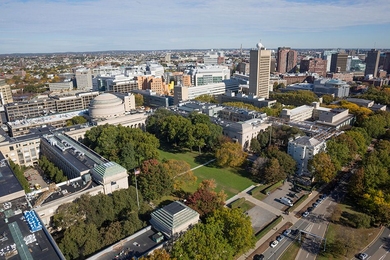
MIT outlines progress on its five-year climate action plan
Progress report underscores strong collaboration across campus to address climate change.
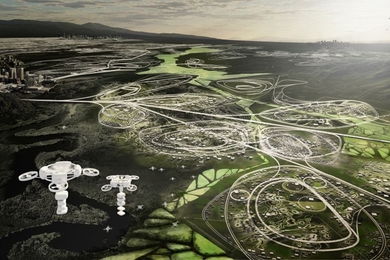
A new lens on suburbia
Center for Advanced Urbanism conference explores the suburbs’ sustainable future.
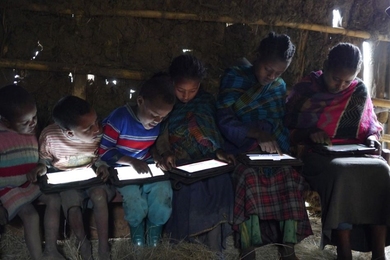
Can technology help teach literacy in poor communities?
Project to provide children with tablets loaded with literacy apps reports encouraging results in Africa, U.S.
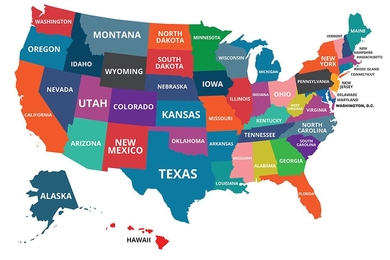
3 Questions: David Autor on global trade and political polarization
Study finds relationship between U.S. job losses due to trade, and political polarization in Congress.
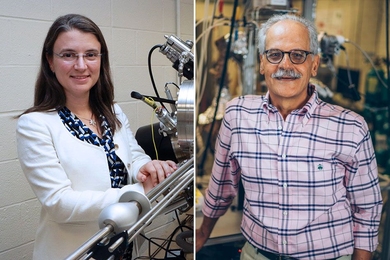
MIT Energy Initiative awards nine seed fund grants for early-stage energy research
Winning teams will use grants to advance research in areas including fuel cells, solar-powered desalination, and impacts of electric vehicle charging on the power grid.