
A plan to preserve wetlands without stopping development
Study shows the tradeoff between conservation and growth is less stark with a locally adjusted policy featuring both tradeable offsets and taxes.
Study shows the tradeoff between conservation and growth is less stark with a locally adjusted policy featuring both tradeable offsets and taxes.
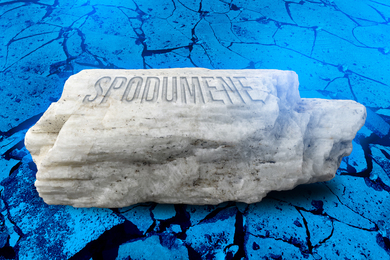
The low-temperature process could unlock cleaner lithium from America’s abundant hard rock while minimizing waste.
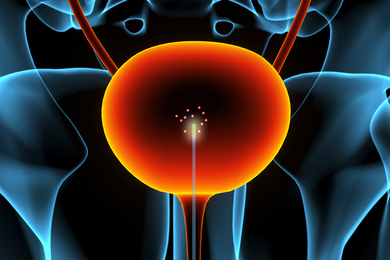
Using a catheter coated with carbon nanotubes, researchers can detect biomarkers produced by cancer cells in the bladder.

The legendary radio astronomy telescope returns to its science and educational mission at MIT Haystack Observatory.
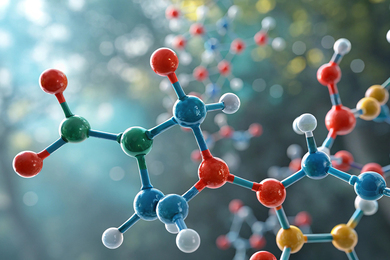
The discovery of dioxaborirane could expand the chemistry of boron-based reagents, providing new tools for oxidation reactions in synthesis and materials science.

A new method for precisely moving columns of individual atoms within a material could give rise to exotic quantum properties.

Faculty members and researchers were honored in recognition of their scholarship, service, and overall excellence.

With a novel design, MIT researchers overcame a stubborn problem that has limited the effectiveness of chip-based systems for lidar.

The “MetaEase” technique provides a heads-up to potential scenarios that could cause long wait-times or outages.
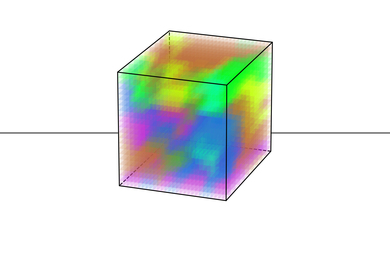
Relaxor ferroelectrics have been used in electronics and sensors for decades, but the source of their unique properties was a mystery until now.

A new debiasing technique called WRING avoids creating or amplifying biases that can occur with existing debiasing approaches.
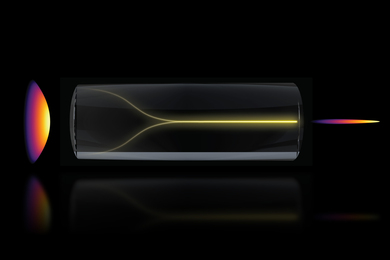
MIT researchers leveraged a surprise discovery to devise a faster and more precise biomedical imaging technique.

New dataset of 30,000-plus competition math problems from 47 countries gives AI researchers a harder test — and students worldwide a better training ground.

MIT scientists create a detailed map of exactly what happens in the brains of C. elegans worms when they “follow their nose” to savor attractive odors or avoid unappealing ones.

Scientists say an exception in the Montreal Protocol for the use of ozone-depleting feedstocks could set the ozone recovery back seven years.