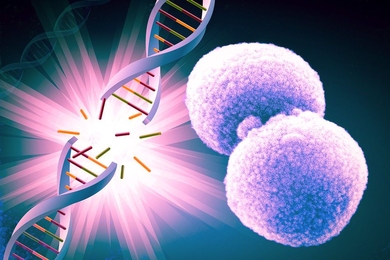
Pneumonia found to harm DNA in lung cells
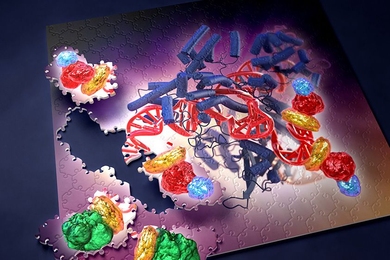
Hydrogen peroxide produced by some bacteria causes DNA double-strand breaks, cell suicide.
Hydrogen peroxide produced by some bacteria causes DNA double-strand breaks, cell suicide.

New research suggests ways to reduce the likelihood that individuals and groups will become infected with influenza.
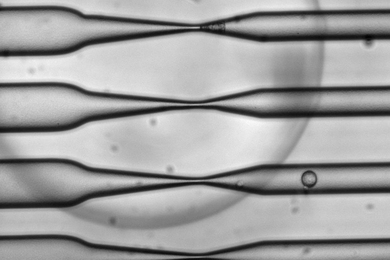
Microfluidic cell-squeezing device opens new possibilities for cell-based vaccines.
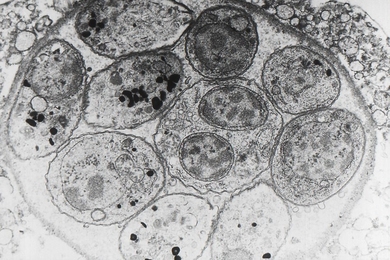
Manipulating the permeability of a type of vacuole could help defeat malarial parasites.
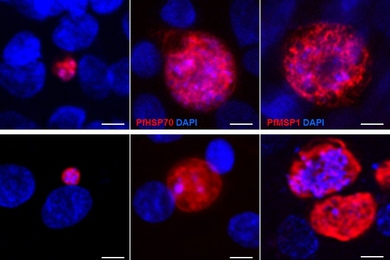
Liver cells derived from stem cells can be infected with malaria and used to test potential drugs.
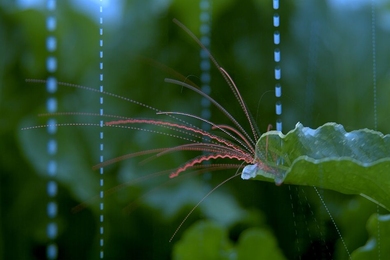
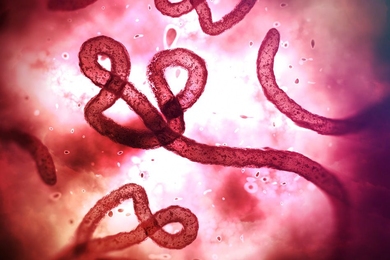
Research on disease transmission through aerosol droplets raises questions about Ebola’s spread.

Computer model could help public health officials anticipate overreactions to disease outbreaks.

With help from MIT Humanitarian Response Lab, a cargo flight carries much-needed supplies to support health systems and Ebola-response operations in Liberia.
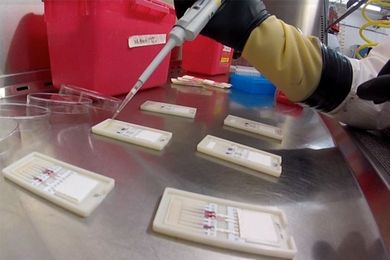
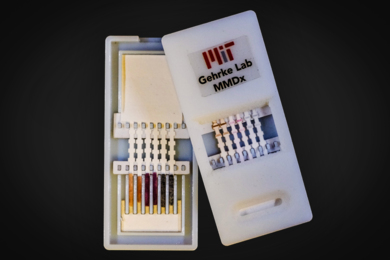
Simple device now in development could speed diagnosis and improve disease tracking.

Senior Christina Lalani applies lessons she learned from karate to global health disparities.
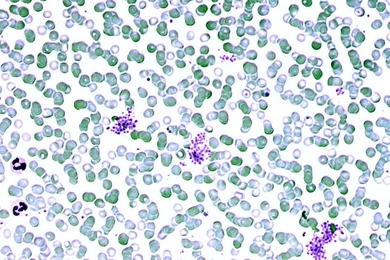
Using magnetic fields, technique can detect parasite’s waste products in infected blood cells.