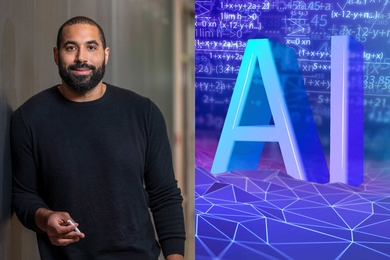
Q&A: Why building math muscles remains important in the AI era
Assistant Professor John Urschel explains why learning the fundamental skills of mathematics is still essential despite the evolution of AI tools.
Assistant Professor John Urschel explains why learning the fundamental skills of mathematics is still essential despite the evolution of AI tools.

By separating the effects of cold seawater, Antarctic sea ice, and changing ocean circulation on deep-ocean carbon storage, new research sheds light on how these interactions influence climate patterns.
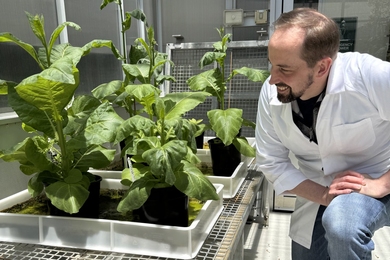
How the MIT Global Seed Funds helped Professor Matt Shoulders and his team build international collaborations that continue to shape his research more than a decade later.

An Academic All-American defensive back and co-captain for the Engineers, Dominic Hess says football keeps him grounded — and inspired.

Elsa Olivetti, co-director of the MIT Minerals Stewardship Consortium, discusses how research and collaborations can strengthen mineral supply chains.
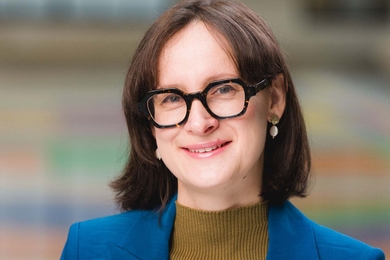
IDHR communications officer Vera Grbic helps connect the MIT community with resources, support, and information through clear and accessible messaging.

MIT professors Adam Berinsky and Chara Podimata discuss a new project to track how AI chatbots are responding to questions about the 2026 U.S. midterm elections.

Professor Ali Jadbabaie describes how AI, digital transformation, climate change, and complex geopolitics are forcing engineers and policymakers to rethink how infrastructure is designed, built, and managed.
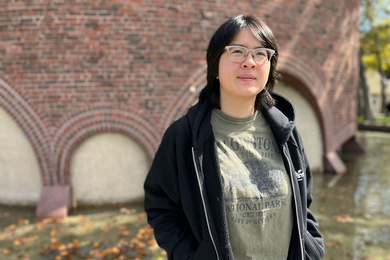
The MIT senior in mathematics convenes and leads regular, small-group interfaith discussions to help other students — and herself — grapple with big questions.
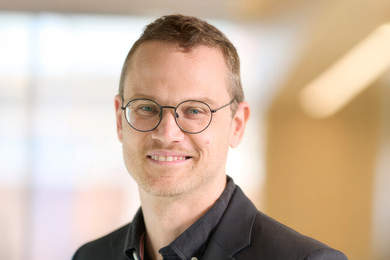
Assistant Professor Benjamin Lindquist studies how engineers deliberately injected randomness into early AI, giving rise to deep-learning models that sometimes hallucinate.

The senior in chemical engineering volunteers with the ASA as a way to advocate for students and to strengthen bridges between MIT and its student clubs and groups.
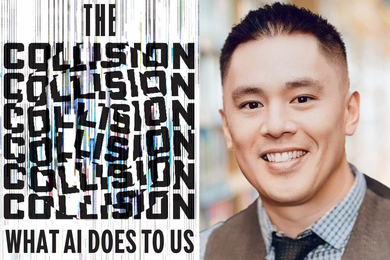
In a new book, Professor Eric So explores how the technology affects our thinking skills.

Professor Deb Roy contends there should be someone who is “answerable” for every piece of text in public life, no matter its origins.

MIT Statistics and Data Science Center Director Alexander (Sasha) Rakhlin shares important considerations for departments and institutions.
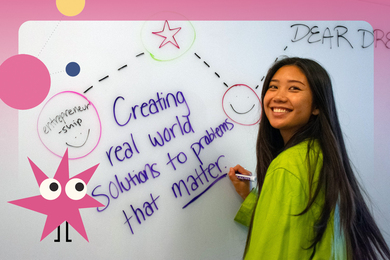
Martin Trust Center Managing Director Bill Aulet introduces Dear Dreamer, a free platform for middle and high school students who want to learn about entrepreneurship.