The next operating system
Operating systems for multicore chips will need more information about their own performance — and more resources for addressing whatever problems arise.
Operating systems for multicore chips will need more information about their own performance — and more resources for addressing whatever problems arise.
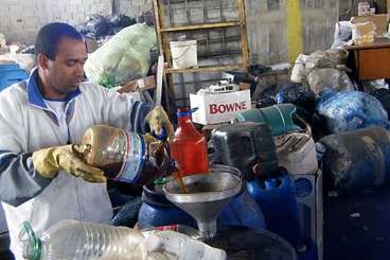
Brazilian waste pickers gain an inexpensive way to fuel their vehicles using leftover cooking oil.
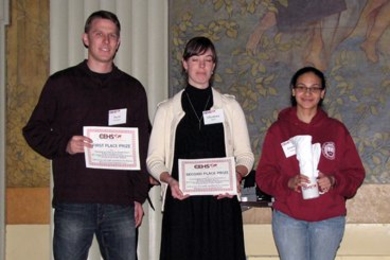
More than 60 posters featured at annual Center for Environmental Health Sciences event.
Improving communication between distributed processors and managing shared data are two of the central challenges in creating tomorrow’s chips.
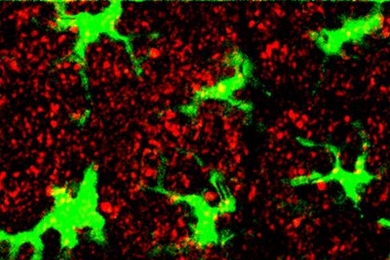
New MIT nanoparticles could lead to powerful vaccines for HIV and other diseases.
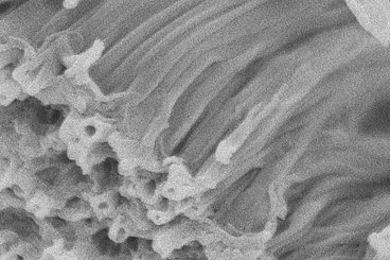
Tiny 'microworms' could be implanted under the skin to give readout of blood sugar levels or other biomedical information.
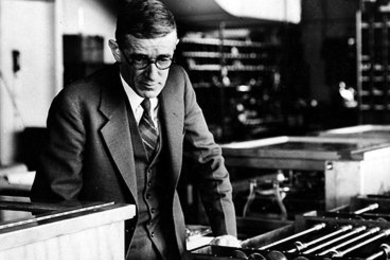
Vannevar Bush PhD ’16, a unique figure in American history, transformed his country’s scientific establishment during its wartime hour of need.
Public-key system has worked and made Internet commerce feasible, but new systems are ready in case flaws are found.
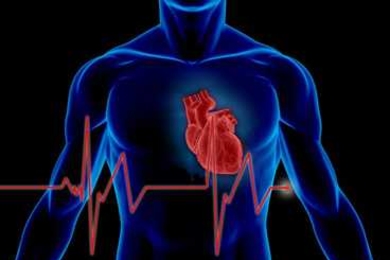
New implantable sensor finds telltale signs; technology could also be adapted to monitor cancer and other diseases.
Recognize service that reflects the civil rights leader’s ideals
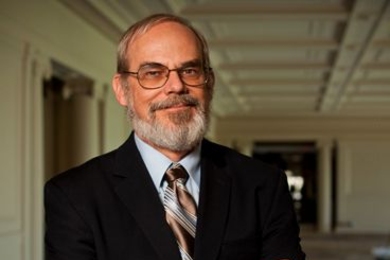
Current head of the Department of Electrical Engineering and Computer Science to succeed Phillip L. Clay.
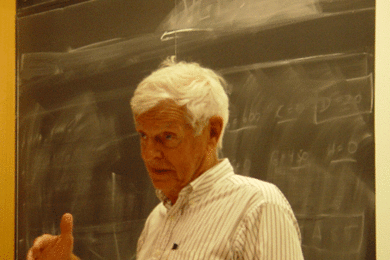
Former Stanley Works CEO, 22-year Leaders for Global Operations leadership lecturer inspired a generation of LGO students.
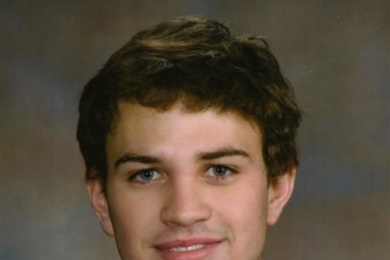
MIT senior co-founded company focused on creating stretchable, bendable electronics and solar panels.

Mechanical-engineering competition set the stage for a variety of competitive classes and events at MIT and elsewhere.
Institute alum, computer pioneer was co-founder of Digital Equipment Corp.