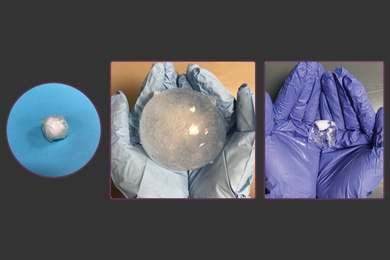
Ingestible, expanding pill monitors the stomach for up to a month
Soft, squishy device could potentially track ulcers, cancers, and other GI conditions over the long term.
Soft, squishy device could potentially track ulcers, cancers, and other GI conditions over the long term.
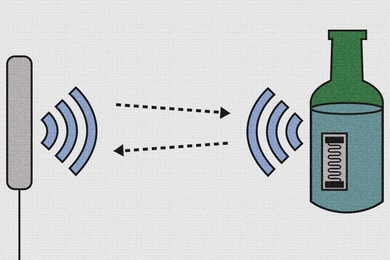
Simple, scalable wireless system uses the RFID tags on billions of products to sense contamination.
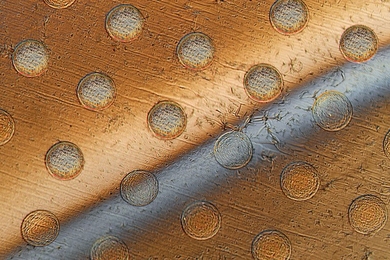
Technique from MIT could lead to tiny, self-powered devices for environmental, industrial, or medical monitoring.
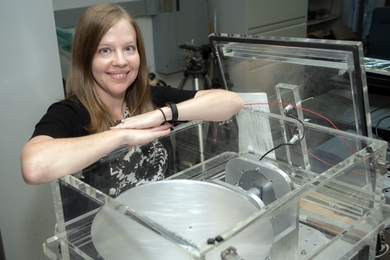
Study finds shoebox-sized CubeSats gather weather data comparably to data collected by larger satellites.

PhD student David Layden in the Quantum Engineering Group has a new approach to spatial noise filtering that boosts development of ultra-sensitive quantum sensors.
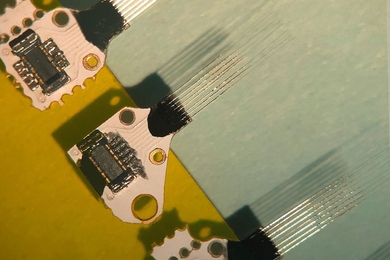
Tiny probes could be useful for monitoring patients with Parkinson’s and other diseases.

AeroAstro grad students win multi-university challenge by demonstrating the utility of machine vision in a complex system.
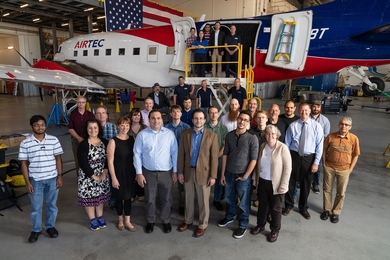
Lincoln Laboratory team's lidar data will allow FEMA to track further damage if another hurricane strikes the island.

CSAIL wireless system suggests future where doctors could implant sensors to track tumors or even dispense drugs.

Technique can capture a scene at multiple depths with one shutter click — no zoom lens needed.
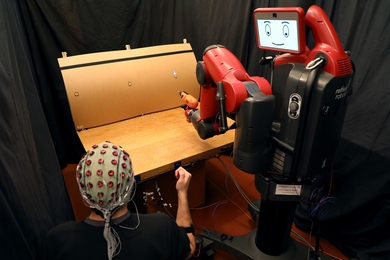
Computer Science and Artificial Intelligence Laboratory system enables people to correct robot mistakes on multiple-choice tasks.

Platform may enable continuous, low-cost, reliable devices that detect chemicals in the environment.
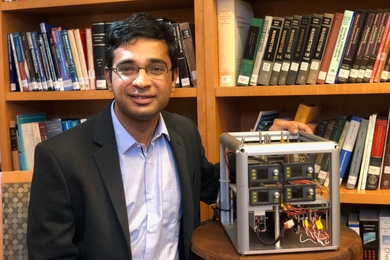
Using diamond dust and laser light to control atomic spin, Ashok Ajoy PhD ’16 pursues alternatives to costly conventional imaging technologies.
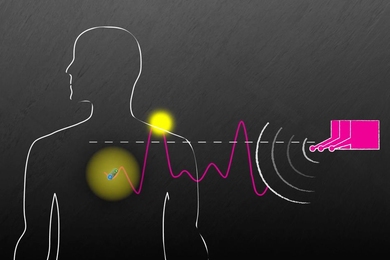
New technology could enable remote control of drug delivery, sensing, and other medical applications.

Eleven principal investigators from six MIT departments will receive grants totaling over $1.3 million, overhead free, for research on food and water challenges.