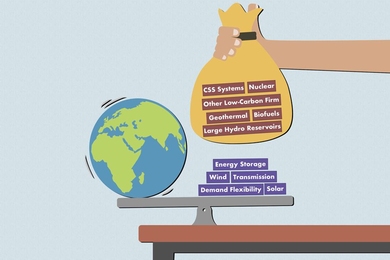
Study: Adding power choices reduces cost and risk of carbon-free electricity
To curb greenhouse gas emissions, nations, states, and cities should aim for a mix of fuel-saving, flexible, and highly reliable sources.
To curb greenhouse gas emissions, nations, states, and cities should aim for a mix of fuel-saving, flexible, and highly reliable sources.
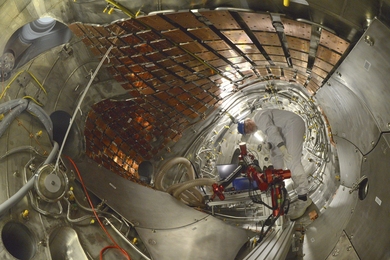
Department of Energy funds Plasma Science and Fusion Center to advance fusion studies on the world’s largest stellarator.
Findings suggest new policy models and cost-cutting technologies could help nuclear play vital role in climate solutions.
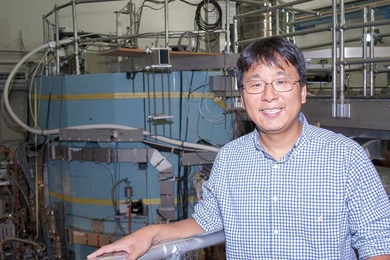
Plasma Science and Fusion Center researchers discover a path to overcoming the plasma density limit in their quest for steady-state fusion.

Alumnus directed a unique program for nuclear leaders from countries new to nuclear power.
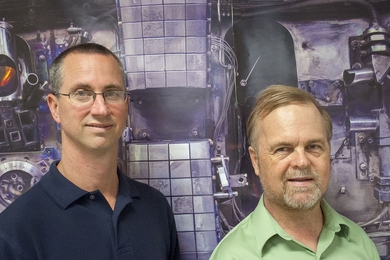
MIT and European Union scientists collaborate on new plasma heating scenario to boost fusion research.

The Samuel W. Ing Memorial Fund will support MIT graduate students as they create a more advanced and less costly path to fusion energy solutions.
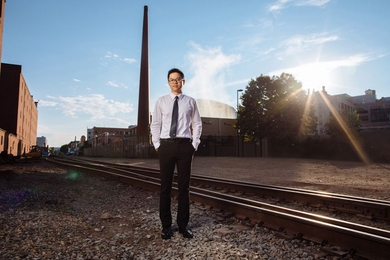
Galvanized by the Fukushima Daiichi nuclear disasters, PhD student Xingang Zhao envisions a future with safe, efficient nuclear power.
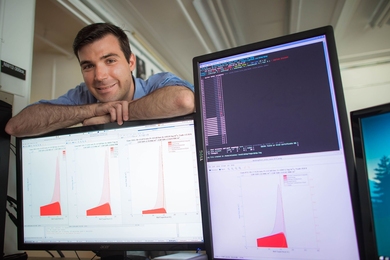
Through meticulous computations, nuclear science and engineering student Etienne Demarly simulates conditions inside a nuclear reactor.
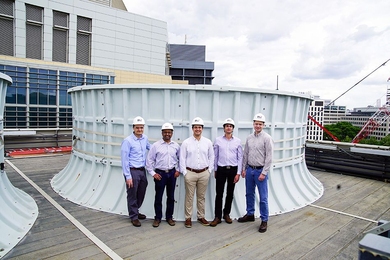
Technology captures water evaporating from cooling towers; prototype to be installed on MIT’s Central Utility Plant.
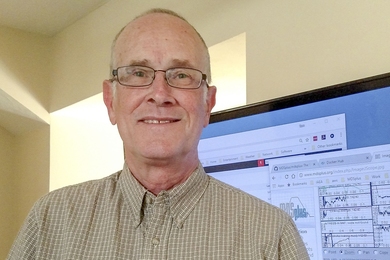
MIT systems analyst receives award for his essential fusion data storage and retrieval system.
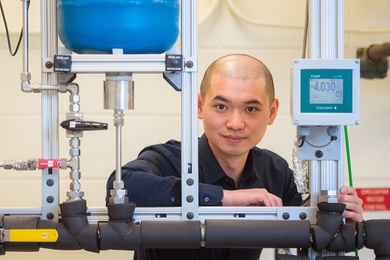
Fine-tuning thermal hydraulics in reactors, doctoral student Guanyu Su hopes to advance more powerful nuclear energy technology.
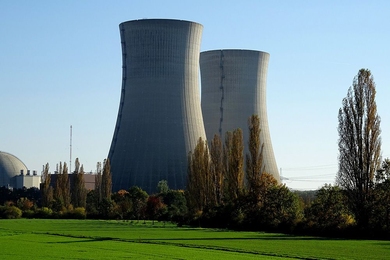
Model finds operating nuclear plants flexibly can reduce electricity costs, increase revenue for nuclear plants, and cut carbon emissions in electric power systems.
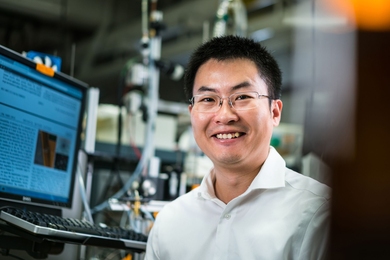
Mingda Li seeks to harness atomic irregularities in materials for improved energy applications.

An early calling for clean energy propels undergraduate Ka-Yen Yau’s research on the next generation of nuclear technology.