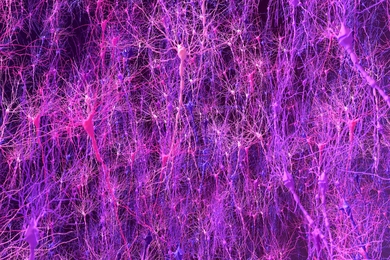
Biology-based brain model matches animals in learning, enables new discovery
New “biomimetic” model of brain circuits and function at multiple scales produced naturalistic dynamics and learning, and even identified curious behavior by some neurons.
New “biomimetic” model of brain circuits and function at multiple scales produced naturalistic dynamics and learning, and even identified curious behavior by some neurons.
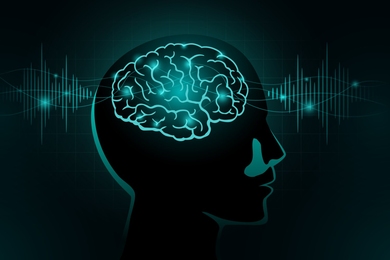
MIT researchers tested their theory of spatial computing, which holds that the brain recruits and controls ad hoc groups of neurons for cognitive tasks by applying brain waves to patches of the cortex.

With support from the Siegel Family Endowment, the newly renamed MIT Siegel Family Quest for Intelligence investigates how brains produce intelligence and how it can be replicated to solve problems.
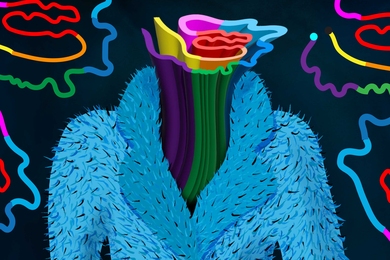
Learning more about this structure could help scientists find ways to block Tau from forming tangles in the brain of Alzheimer’s patients.
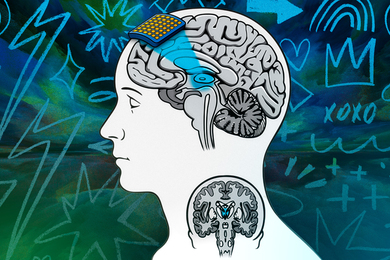
Researchers propose a roadmap for using transcranial focused ultrasound, a noninvasive way to stimulate the brain and see how it functions.
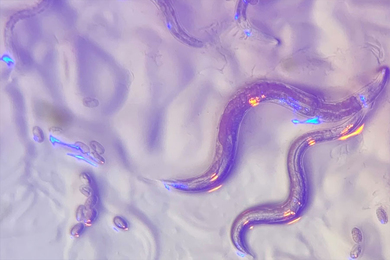
Time and again, an unassuming roundworm has illuminated aspects of biology with major consequences for human health.
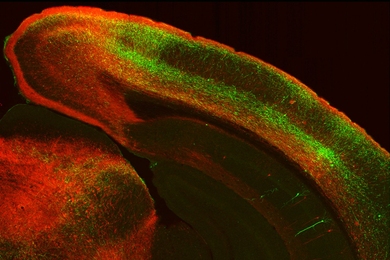
Research illustrates how areas within the brain’s executive control center tailor messages in specific circuits with other brain regions to influence them with information about behavior and feelings.
CSAIL researchers find even “untrainable” neural nets can learn effectively when guided by another network’s built-in biases using their guidance method.
Tracking how fruit fly motor neurons edit their RNA, neurobiologists cataloged hundreds of target sites and varying editing rates, finding many edits altered communication- and function-related proteins.
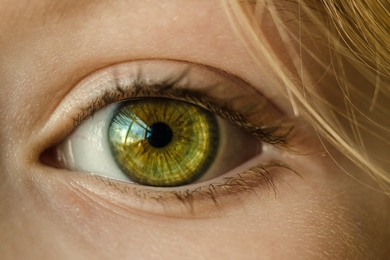
Temporarily anesthetizing the retina briefly reverts the activity of the visual system to that observed in early development and enables growth of responses to the amblyopic (“lazy”) eye.
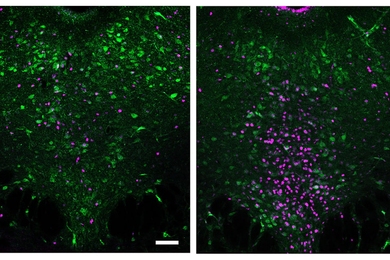
MIT researchers discover how an immune system molecule triggers neurons to shut down social behavior in mice modeling infection.
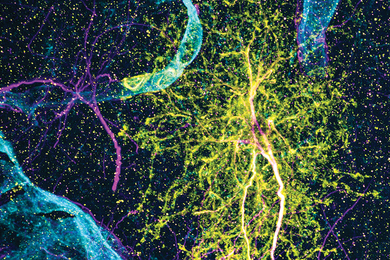
A new atlas charts the diversity of an influential cell type in the brains of mice and marmosets.

Whether they walk on two, four, or six legs, animals maintain stability by monitoring their body position and correcting errors with every step.

MIT neuroscientists find a surprising parallel in the ways humans and new AI models solve complex problems.
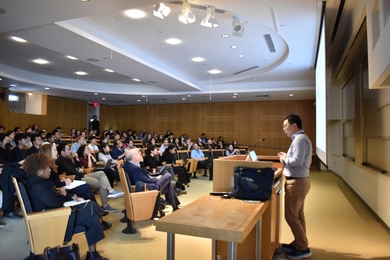
Seven speakers from around the country convened at MIT to describe some of the latest research on the neural mechanisms that we need to survive.