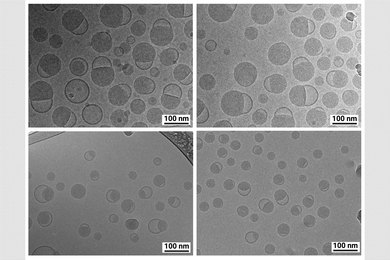
A new technique could accelerate the development of RNA therapies
MIT chemical engineers found a way to rapidly produce lipid nanoparticles of varying sizes, which could make it easier to develop new vaccines and therapeutics.
MIT chemical engineers found a way to rapidly produce lipid nanoparticles of varying sizes, which could make it easier to develop new vaccines and therapeutics.
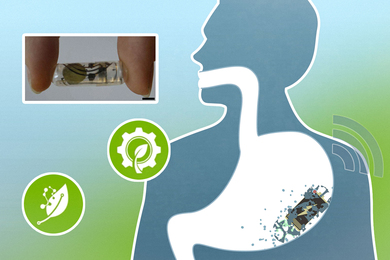
Made from “bioresorbable” materials, the new batteries could power capsules for drug delivery, sensing, and other applications.
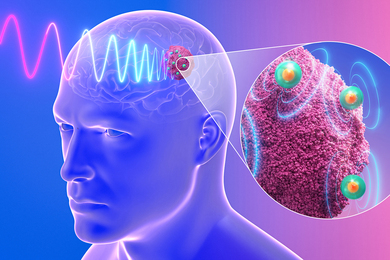
MIT researchers show implanted nanoantennas can be activated wirelessly to kill brain cancer cells without damage to healthy tissue.
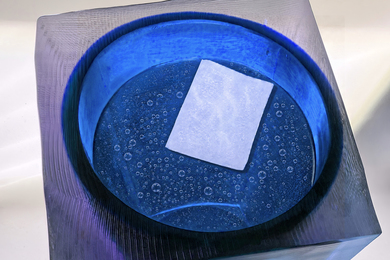
The new aerated material could enable longer-lasting bandages, implants, and wearable sensors.
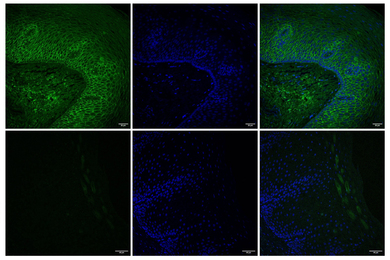
Their new gel-like drug formulation can coat the esophageal lining and release drugs that could help treat inflammatory conditions affecting the esophagus.
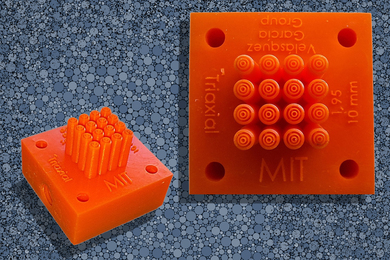
The cost-effective devices, which can be built in hours, leverage electrospray emitter technology to efficiently produce three-layered particles at scale.
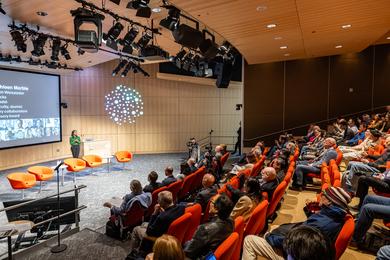
The MIT Marble Center for Cancer Nanomedicine looks back at 10 years of turning big ideas about nanotechnology into transformative advances for cancer patients.
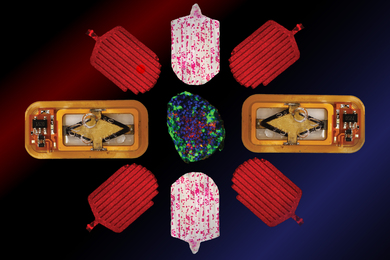
The cells can survive in the body for at least three months, producing enough insulin to control blood sugar levels, research shows.
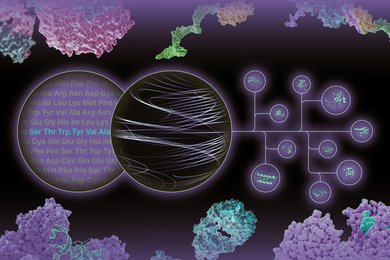
Founded by three MIT alumni, Gensaic uses AI-guided protein design to deliver RNA and other therapeutic molecules to specific cells or areas of the body.
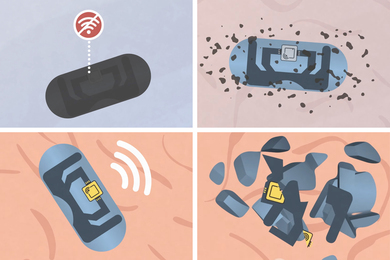
MIT engineers designed capsules with biodegradable radio frequency antennas that can reveal when the pill has been swallowed.
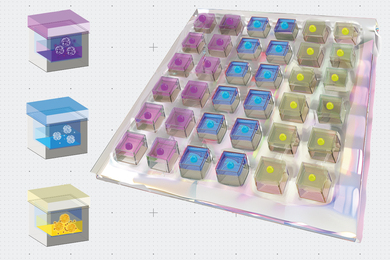
MIT engineers developed a programmable drug-delivery patch that can promote tissue healing and blood vessel regrowth following a heart attack.
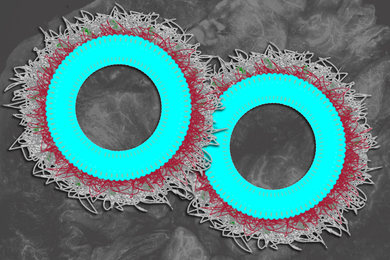
Targeted particles carrying the cytokine IL-12 can jump-start T cells, allowing them to clear tumors while avoiding side effects.
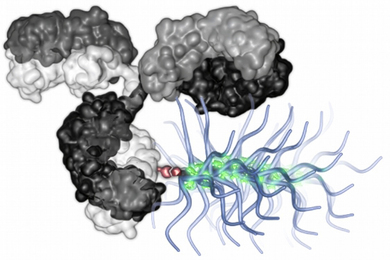
Outfitted with antibodies that guide them to the tumor site, the new nanoparticles could reduce the side effects of treatment.

MIT engineers used a machine-learning model to design nanoparticles that can deliver RNA to cells more efficiently.

The mechanical system could be used to deliver drugs in the GI tract or monitor aquatic environments.