How well can computers connect symptoms to diseases?
Models that map these relationships based on patient data require fine-tuning for certain conditions, study shows.
Models that map these relationships based on patient data require fine-tuning for certain conditions, study shows.
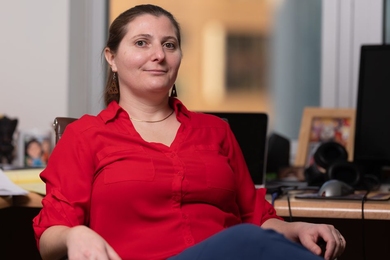
Using mathematical theory, Virginia Williams coaxes algorithms to run faster or proves they’ve hit their maximum speed.

Machine-learning system should enable developers to improve computing efficiency in a range of applications.
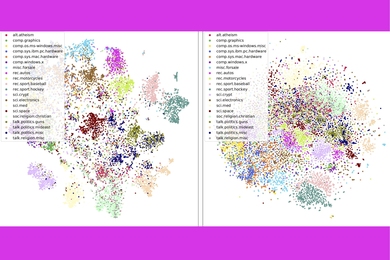
As natural language processing techniques improve, suggestions are getting speedier and more relevant.

Using limited data, this automated system predicts a company’s quarterly sales.
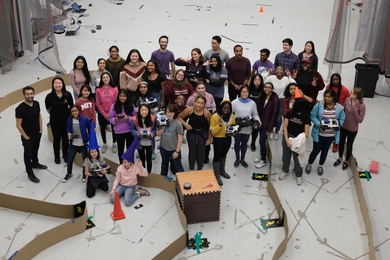
Weekend robotics workshops help middle and high school girls dispel “computing phobia.”

Objects are posed in varied positions and shot at odd angles to spur new AI techniques.
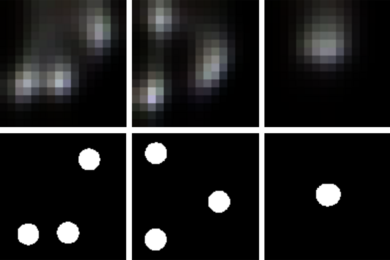
A new computational imaging method could change how we view hidden information in scenes.

Model registers “surprise” when objects in a scene do something unexpected, which could be used to build smarter AI.
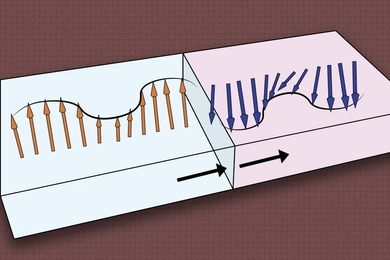
Circuit design offers a path to “spintronic” devices that use little electricity and generate practically no heat.

The inaugural dean shares an update on the process of building a college.
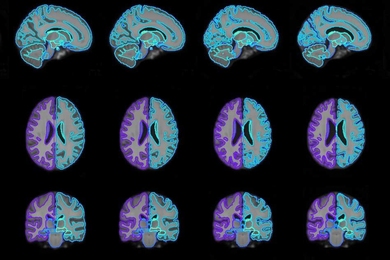
Model quickly generates brain scan templates that represent a given patient population.

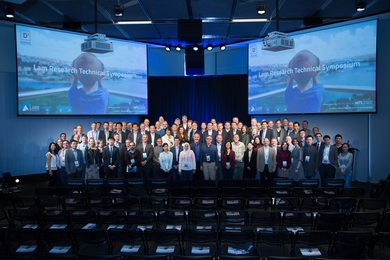
Lam Research Tech Symposium, co-hosted by MIT.nano and Microsystems Technology Lab, explores challenges, opportunities for the future of the industry.

With “In Event of Moon Disaster,” the MIT Center for Advanced Virtuality aims to educate the public on deepfakes with an alternative history of the moon landing.