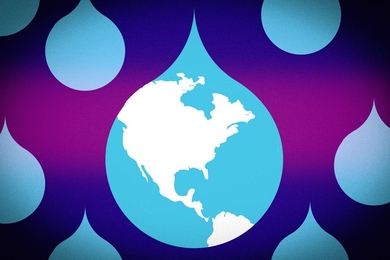
Climate change to deplete some US water basins, reduce irrigated crop yields
By 2050, the Southwest will produce significantly less cotton and forage, researchers report.
By 2050, the Southwest will produce significantly less cotton and forage, researchers report.

Engineers and co-directors of MITEI's Energy Bioscience Low-Carbon Energy Center discuss their vision for transforming the energy system.
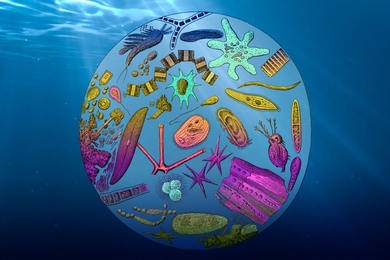
Study finds large amounts of carbon dioxide, equivalent to yearly U.K. emissions, remain in surface waters.
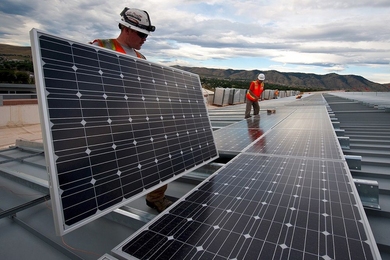
Analysis shows the design and framing of renewable energy policies can strengthen public support — or opposition.

Kenneth Strzepek applies models to help decision makers advance food security and sustainable development in a climate-compromised continent.

Funding will establish MIT professorship and support low-carbon energy and climate initiatives.

Climate change could damage the fragile zones, causing major carbon emissions.
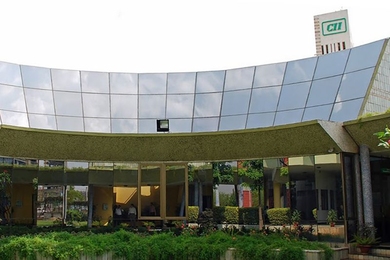
Award-winning paper by Arun Singh shows how one of the world’s fastest-growing economies can expand its energy consumption while limiting emissions.

Third annual conference explores innovation, social justice, and the Institute as a living lab for sustainability.
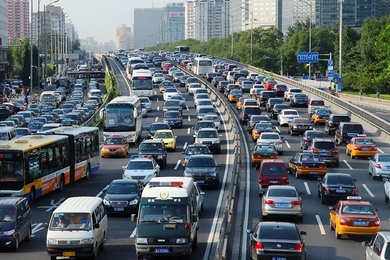
Combining climate policy and vehicle emissions standards could pack a one-two punch.

Intensification of extreme rainfall varies from region to region, study shows.

Principal investigators will receive grants of up to $200,000 per year for two years, overhead free, for innovative research on food and water challenges.

Campus energy “dashboard” will provide detailed information to Institute’s faculty, staff, and students.