
Self-organizing “pencil beam” laser could help scientists design brain-targeted therapies
MIT researchers leveraged a surprise discovery to devise a faster and more precise biomedical imaging technique.
MIT researchers leveraged a surprise discovery to devise a faster and more precise biomedical imaging technique.
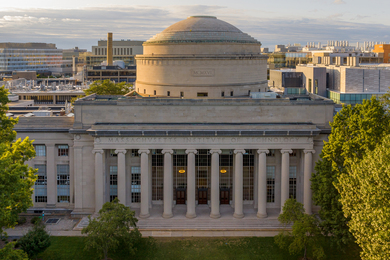
The prestigious honor society honors four MIT faculty and 13 additional MIT alumni among more than 250 new members.
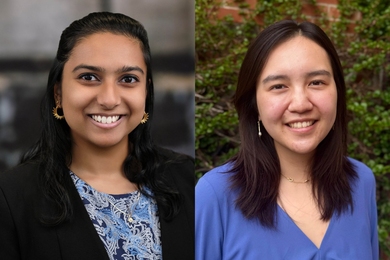
Mitali Chowdhury ’24 and Christina Kim ’24 will pursue graduate studies at Cambridge University in the UK.
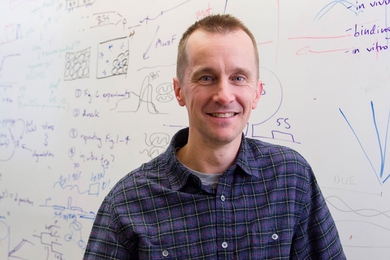
The American Association for the Advancement of Science recognized Laub and 21 alumni for their efforts to advance science and related fields.

Long thought to be mainly a structural support, the cell membrane also influences how cells respond to signals and may contribute to the growth of cancer cells.
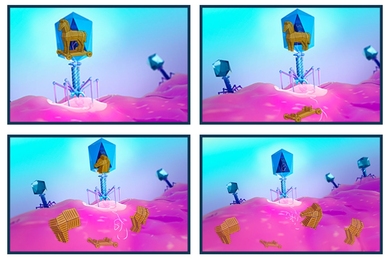
SNIPE, a newly characterized biological defense system, directly protects bacteria by chopping up invading viral DNA.

Researchers uncovered how cells selectively destroy certain microRNAs — key gene regulators — through a mechanism that requires two RNA signals working together.
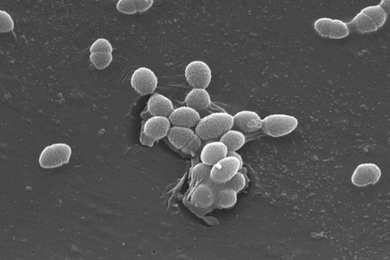
Study finds a common bacterium can suppress the body’s early warning system in wounds, causing infections to persist and create an environment that allows other bacteria to take hold.

Computational biologist Sergei Kotelnikov is working to develop new methods in protein modeling as part of the School of Science Dean’s Postdoctoral Fellowship.
“We cannot be effective scientists if we are unhappy or unhealthy outside of the lab,” says “Committed to Caring” honoree Sara Prescott.
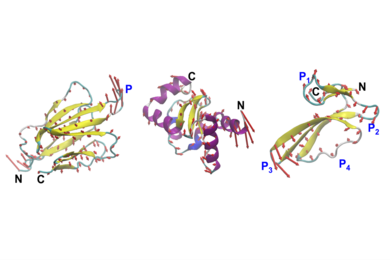
An AI model generates novel proteins based on how they vibrate and move, opening new possibilities for dynamic biomaterials and adaptive therapeutics.
The Institute also ranks second in seven subject areas.
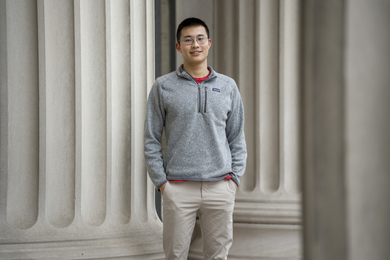
As an aspiring physician-scientist and editor-in-chief of The Tech, MIT senior Alex Tang has found inspiration in the lives of patients and others in his community.
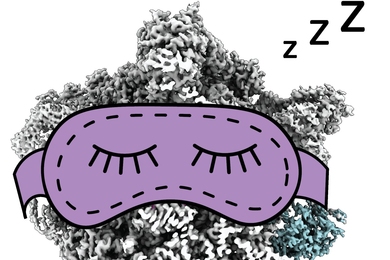
The method allows researchers to observe biomolecular complexes in a quick, accurate, and budget-friendly way, providing new insights into bacterial protein synthesis.

MIT researchers uncovered the roles of bacterial species from the environment as they consume biodegradable plastic.