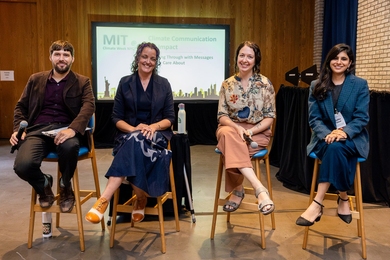
At New York Climate Week 2026, MIT connects with a global network
A cross-section of the MIT community convened discussions on topics ranging from data centers and super pollutants to agriculture and education.
A cross-section of the MIT community convened discussions on topics ranging from data centers and super pollutants to agriculture and education.
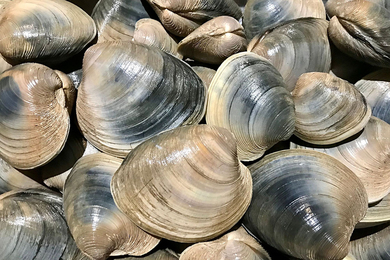
MIT researchers built a cloud-based platform to help Massachusetts coastal towns and the state manage shellfishing closures, giving thousands of permit holders a clearer view of where they can fish.
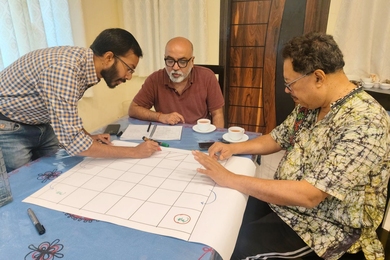
Climate scientist Sai Ravela is using games to help coastal communities find creative adaptations to climate change.
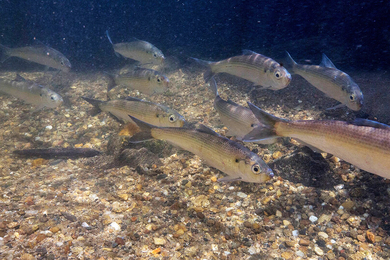
MIT Sea Grant works with the Woodwell Climate Research Center and other collaborators to demonstrate a deep learning-based system for fish monitoring.
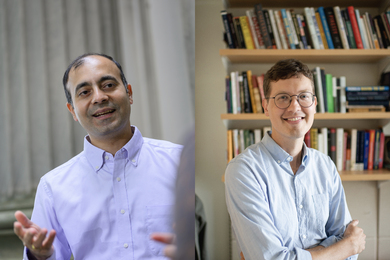
Professors Rohit Karnik and Nathan Wilmers are honored as “Committed to Caring.”
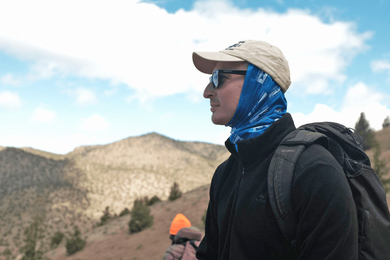
MIT PhD student and CSAIL researcher Justin Kay describes his work combining AI and computer vision systems to monitor the ecosystems that support our planet.
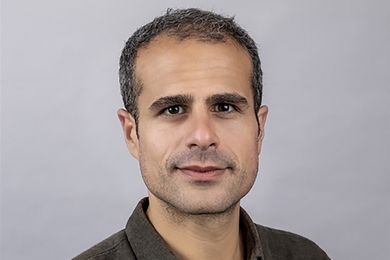
An algorithm can change the face of food assistance policy in the Global South, says MIT assistant professor and J-WAFS researcher Ali Aouad.
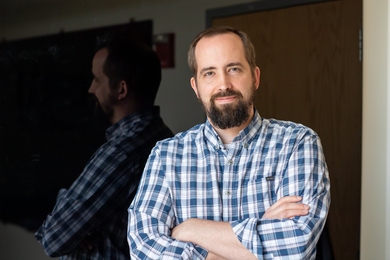
A leading researcher in protein folding biochemistry and next-generation protein engineering techniques will advance chemistry research and education.

Succeeding founding executive director Renee Robins, Giardina will help shape and implement the goals and initiatives of MIT’s eminent water and food program.
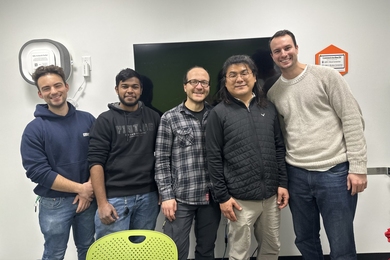
Nona Technologies exemplifies how J-WAFS has helped launch real-world solutions for global water and food challenges.

J-WAFS marks 10 years of supporting student engagement through grants, fellowships, events, mentorship, and funding for clubs.
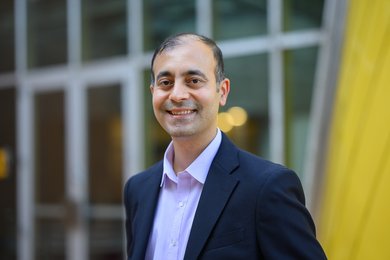
The mechanical engineering professor will lead MIT’s only program specifically focused on water and food for human need.
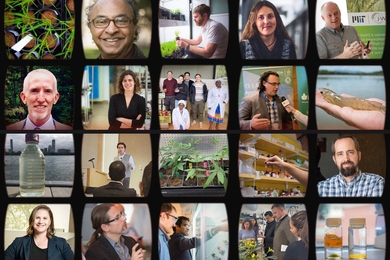
For the past decade, the Abdul Latif Jameel Water and Food Systems Lab has strengthened MIT faculty efforts in water and food research and innovation.
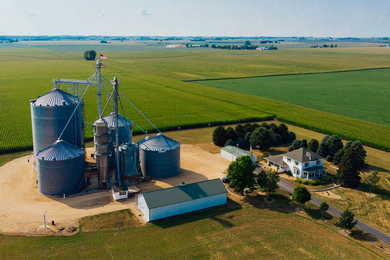
The nitrogen product developed by the company, which was co-founded by Professor Chris Voigt, is being used across millions of acres of American farmland.

Assistant Professor Sara Beery is using automation to improve monitoring of migrating salmon in the Pacific Northwest.