Monitoring how T cells respond to HIV
New technology could help AIDS researchers develop new vaccines.
New technology could help AIDS researchers develop new vaccines.

Solar cell bonded to recently developed catalyst can harness the sun, splitting water into hydrogen and oxygen.

New cardiac patch uses gold nanowires to enhance electrical signaling between cells, a promising step toward better treatment for heart-attack patients.


Tiny particles that measure microRNA levels in tissue samples could help diagnose and monitor many diseases.
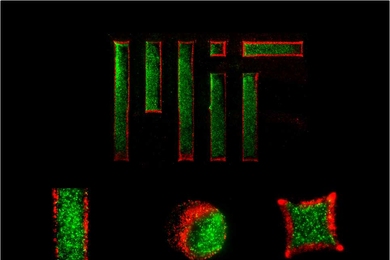
New MIT technology could lead to better drug delivery and artificial tissues that imitate natural tissue.

New method allows a dramatic boost in capacity for a given weight.

MIT and Harvard researchers are developing a synthetic material to revitalize damaged vocal cords.

Modified carbon nanotubes can store solar energy indefinitely, then be recharged by exposure to the sun.

New MIT-developed materials make it possible to produce photovoltaic cells on paper or fabric, nearly as simply as printing a document.

Method holds promise for making two- or three-tier graphene films that could be used for new electronic devices.

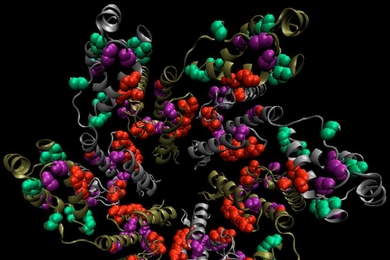
Vaccines that target newly identified viral protein sequences could be more effective than previous efforts.