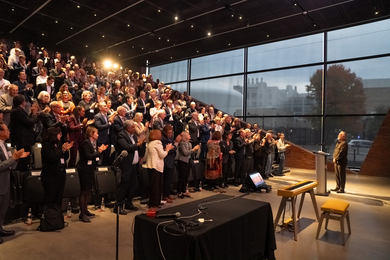
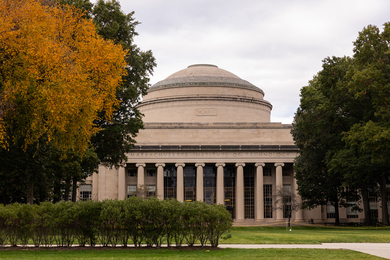
An artist talk by Zeebra and panel discussion on Fukushima activism, 1960s art, postwar pop, and global hip-hop will be held at MIT on Wednesday, Feb. 26, at 3 p.m. in E25-111.
In addition to Zeebra, speakers include Marié Abe, an assistant professor of music in the Department of Musicology and Ethnomusicology at Boston University; Miki Kaneda, a lecturer in East Asian languages and civilizations at Harvard University; and Murray Forman, an associate professor of communication studies at Northeastern University. Forman is the author of "Hood Comes First: Race, Space and Place in Rap and Hip-Hop." Also speaking is Hiromu Nagahara, an assistant professor of history at MIT. MIT Professor Ian Condry will moderate the discussion.
This event is part of a two-day series sponsored by the The MIT/Harvard Cool Japan research project. Other activities include a performance on Wednesday evening by Zeebra and Japanese hip-hop artist Miss Monday. Also appearing will be local artists WTF. The performances start at 8 p.m. at the Middlesex Lounge in Cambridge.
On Thursday, Feb. 27, a panel discussion on Music, Culture and Transformation will be held at 5 p.m. in E14-663 featuring two MIT scholars: Meredith Schweig will deliver at talk "Gender in Taiwanese Rap Music: Hope for the Future?" Rebecca Dirksen will deliver "A Musical Model for Development? Haiti's Mizik Angaje Re-Imagined."