The Bernard M. Gordon-MIT Engineering Leadership Program is one of 29 programs highlighted in a new, free publication from the National Academy of Engineering (NAE) called "Infusing Real World Experiences into Engineering Education."
The report showcases 29 engineering programs at colleges and universities across the United States that effectively incorporate real-world experiences into their curriculum and highlights best practices for schools seeking to create new programs. The best practices outlined in the report include incorporating multidisciplinary team-based projects into curricula to help students develop skills in decision-making; leadership; written and oral communication; organization and time management; cultural awareness; and problem-solving.
The report identifies frequent impediments to infusing real-world experiences into engineering programs and suggests ideas for overcoming these barriers to program implementation. The most frequent obstacles cited include lack of funding and financial support, faculty workload concerns and challenges encountered with partners. The best practice case studies included in the NAE report compare anticipated versus actual program outcomes to demonstrate how each institution is improving the level of preparedness of its engineering students.
The NAE's Real World Engineering Education committee received 95 nominations for inclusion in the report from accredited four-year undergraduate schools with engineering or engineering technology programs. Submissions were reviewed by the committee and judged based on seven factors: program creativity, innovation, attention to diversity (including geographic, institution, racial/ethnic and gender), sustainability plan, assessment of student learning, level of real-world experience, and anticipated versus actual outcomes.
One of 29 programs featured in "Infusing Real World Experiences into Engineering Education"
Publication Date:
Caption:
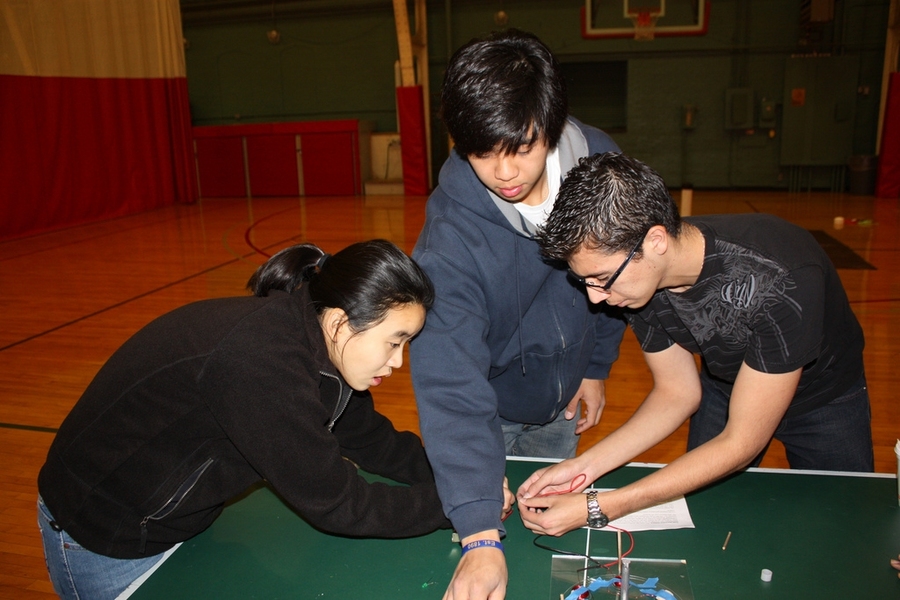
Gordon Engineering Leaders practice skills in weekly Engineering Leadership Labs.
Credits:
Photo: Bruce Mendelsohn