Six MIT researchers elected to the National Academy of Engineering for 2019
Members have made advances in molecular processes, rheology, computer networking, nanocrystalline metals, affective computing, and semiconductor tech.
Members have made advances in molecular processes, rheology, computer networking, nanocrystalline metals, affective computing, and semiconductor tech.

Study uncovers language patterns that AI models link to factual and false articles; underscores need for further testing.

Researchers pinpoint the “neurons” in machine-learning systems that capture specific linguistic features during language-processing tasks.

Algorithm could help autonomous underwater vehicles explore risky but scientifically-rewarding environments.
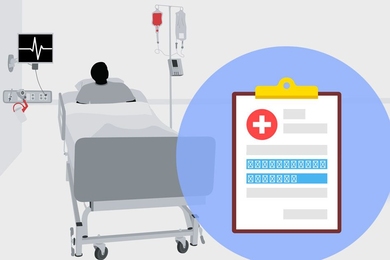
Neural network assimilates multiple types of health data to help doctors make decisions with incomplete information.
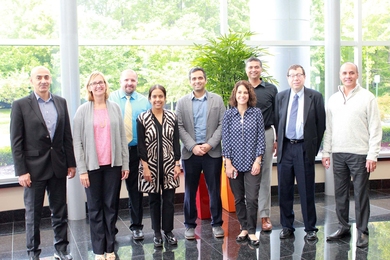
Health Analytics Collective uses real-world evidence to modernize health and drug development decisions.

Model identifies instances when autonomous systems have learned from examples that may cause dangerous errors in the real world.

Design reduces by 99 percent the data users need to join the network and verify transactions.
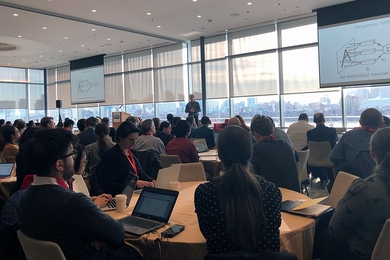
MIT “Policy Congress” examines the complex terrain of artificial intelligence regulation.
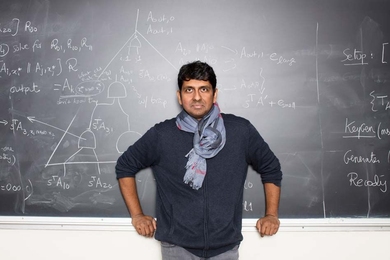
Vinod Vaikuntanathan aims to improve encryption in a world with growing applications and evolving adversaries.

Tool for nonstatisticians automatically generates models that glean insights from complex datasets.

System breaks down complex designs into easily modifiable shapes for custom manufacturing and 3-D printing.
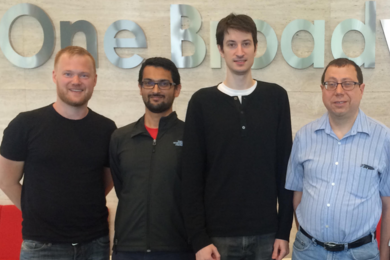
Awarded every four years, the Wilkinson Prize last came to MIT in 1999.
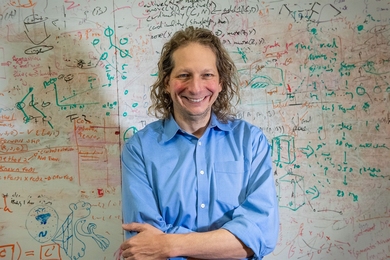
Professor honored for work on the nature and origins of intelligence in the human mind and applying that knowledge to build human-like intelligence in machines.
A recent MIT symposium explores methods for making artificial intelligence systems more reliable, secure, and transparent.