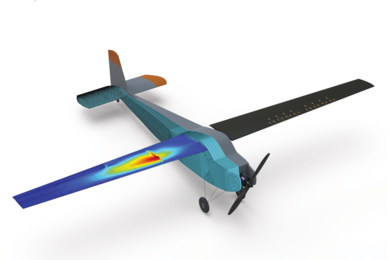
Creating “digital twins” at scale
Model could help predictive virtual models become standard practice in engineering.
Model could help predictive virtual models become standard practice in engineering.

SMART study determines benefits of competition and potential impact for future urban cities and transport systems.
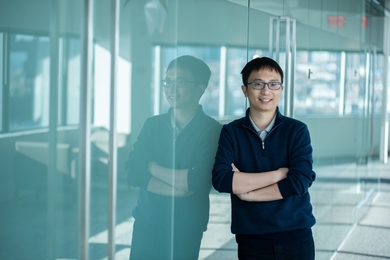
Yichen Shen PhD '16 is CEO of Lightelligence, an MIT spinout using photonics to reinvent computing for artificial intelligence.
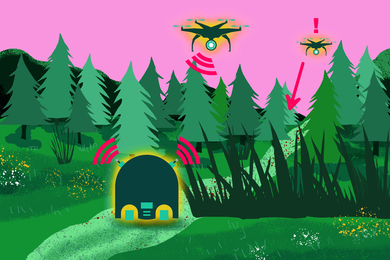
Algorithm enables robot teams to complete missions, such as mapping or search-and-rescue, with minimal wasted effort.

On May 6 and 7, researchers from the AI Policy Forum will present their preliminary AI public policy proposals aimed at shaping specific and significant uses of AI in our lives.

Method builds on gaming techniques to help autonomous vehicles navigate in the real world, where signals may be imperfect.
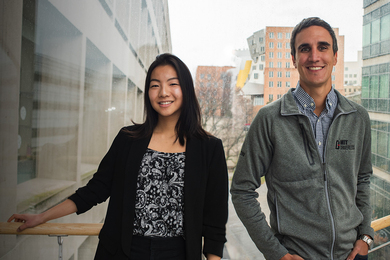
Leveraging research done on campus, student-run MIT Driverless partners with industry collaborators to develop and test autonomous technologies in real-world racing scenarios.

Assistant Professor Cathy Wu aims to help autonomous vehicles fulfill their promise by better understanding how to integrate them into the transportation system.
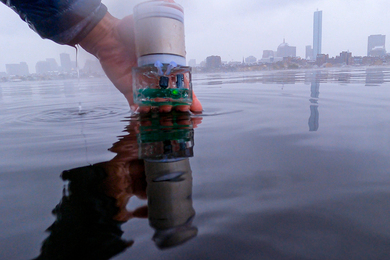
New approach could spark an era of battery-free ocean exploration, with applications ranging from marine conservation to aquaculture.
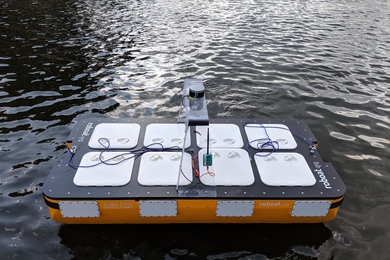
Five years in the making, MIT’s autonomous floating vessels get a size upgrade and learn a new way to communicate aboard the waters.

Book co-authored by Associate Professor Julie Shah and Laura Major SM ’05 explores a future populated with robot helpers.
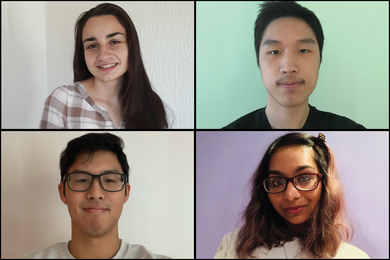
Working remotely this summer, students worked to better understand human intelligence and to advance machine learning applications.
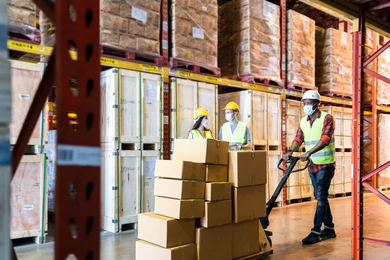
Work of the Future research brief looks at changes in two supply-chain industries in the wake of the pandemic.
MIT Task Force on the Work of the Future examines job changes in the AV transition and how training can help workers move into careers that support mobility systems.
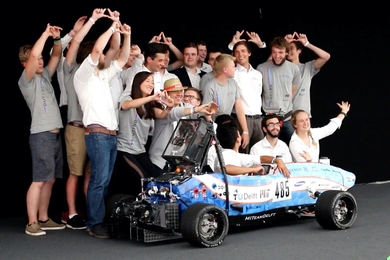
After a third-place finish at last year's Formula Student Germany, MIT Driverless team aims to compete in the $1.5 million Indy Autonomous Challenge.