
“We can’t ship goods without functioning ports”
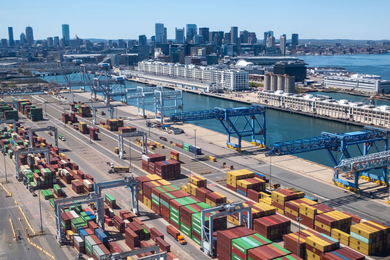
PhD student Chelsea Mitchell studies the economic forces that shape shipping ports and their ability to support global supply chains.
PhD student Chelsea Mitchell studies the economic forces that shape shipping ports and their ability to support global supply chains.

Using technology invented at MIT, Cartesian’s system for locating objects could also find uses in manufacturing, logistics, and robotics.
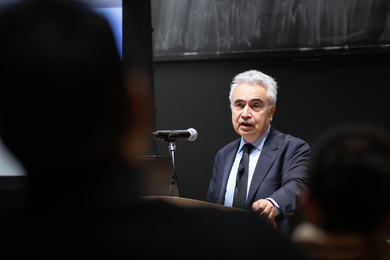
Expect energy disruptions and economic damage, especially in developing countries, and prepare to build a more resilient, sustainable energy system, says International Energy Agency executive director.
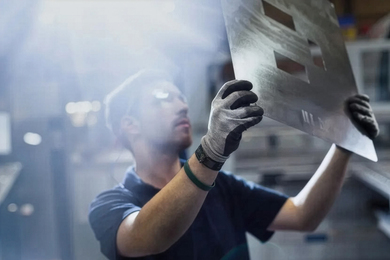
Founded by Peter Godart ’15, SM ’19, PhD ’21, the company has developed technologies for extracting critical metals and making fuel out of aluminum.

Graduate engineering program is No. 1 in the nation; MIT Sloan is No. 6.
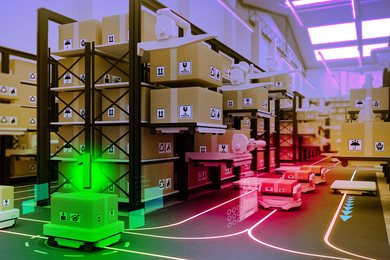
This new approach adapts to decide which robots should get the right of way at every moment, avoiding congestion and increasing throughput.

By enabling two chips to authenticate each other using a shared fingerprint, this technique can improve privacy and energy efficiency.
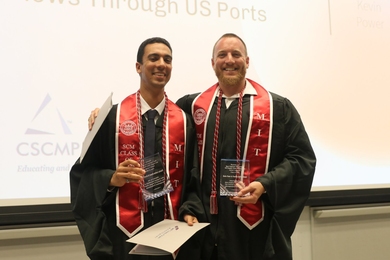
MicroMasters coursework led engineer Kevin Power to MIT, where hands-on research in the MIT Supply Chain Management blended program transformed his professional trajectory.
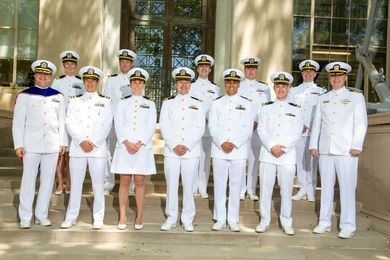
The new certificate program will equip naval officers with skills needed to solve the military’s hardest problems.

The new TechAMP program teaches production principles to workers, helping them advance their careers and identify savings at their firms.
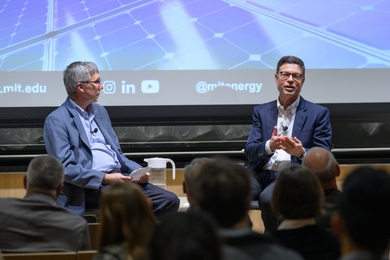
At MITEI’s Fall Colloquium, General Motors’ battery development expert emphasized how affordability, accessibility, and commercialization can position the US as a leader in battery tech.
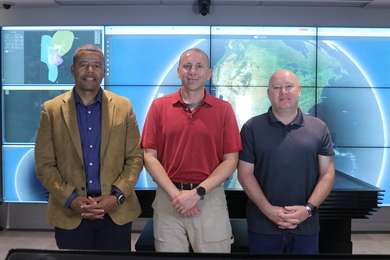
The MIT Supply Chain Management master's program hosts three Military Fellows each year from the US Army, reflecting the long-standing relationship between the military and the logistics industry.
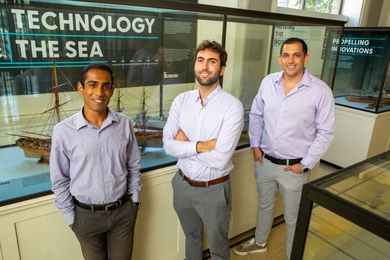
First-of-its-kind handbook serves as a guide for design safety for civilian nuclear ships.
Analysis from MIT’s Center for Transportation and Logistics finds companies are still acting to reduce emissions, but often lag in measurement techniques.

MIT’s Initiative for New Manufacturing extends a deep Institute legacy of expanding US growth and jobs through industrial production.