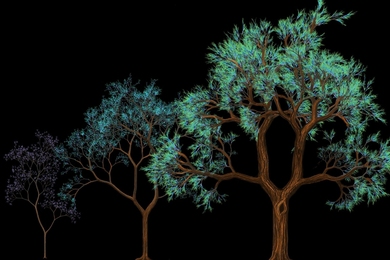
Capturing the complete process of embryonic development
By tracking over 1 million cells, researchers created a detailed map of embryonic development in mice. It could provide development and disease insights.
By tracking over 1 million cells, researchers created a detailed map of embryonic development in mice. It could provide development and disease insights.
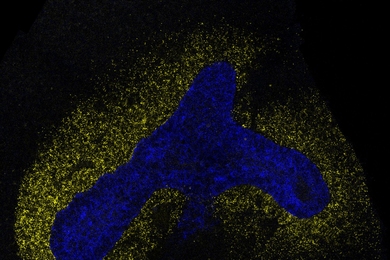
A new computational approach reveals how cells communicate to assemble into tissues. This could accelerate stem cell engineering, improve disease models, and inform therapies.

Biology PhD student Giselle Valdes studies stem cell regeneration while encouraging aspiring students and researchers.
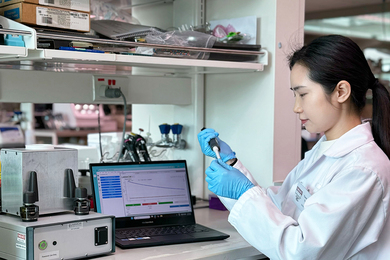
SMART breakthrough offers a promising pathway toward improved manufacturing of high‑quality cells for regenerative therapies to treat joint diseases.
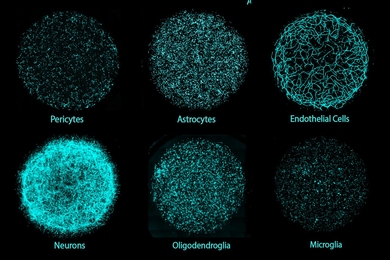
Cultured from induced pluripotent stem cells, “miBrains” integrate all major brain cell types and model brain structures, cellular interactions, activity, and pathological features.
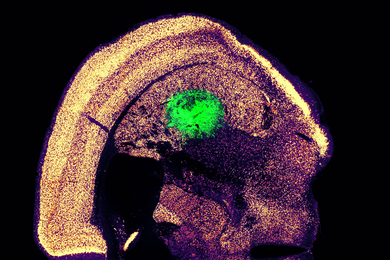
A new, highly efficient process for performing this conversion could make it easier to develop therapies for spinal cord injuries or diseases like ALS.
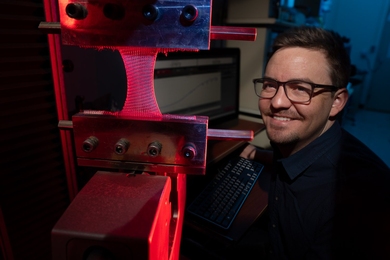
Lincoln Laboratory and MIT researchers are creating new types of bioabsorbable fabrics that mimic the unique way soft tissues stretch while nurturing growing cells.

Professor Li-Huei Tsai studies how brain waves can be used to treat neurodegenerative diseases such as Alzheimer’s.

Omer Yilmaz’s work on how diet influences intestinal stem cells could lead to new ways to treat or prevent gastrointestinal cancers.
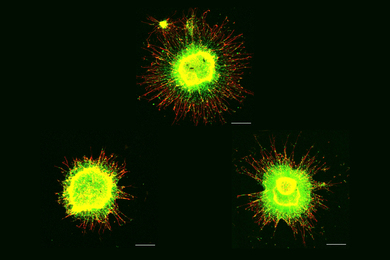
Extra chromosome alters chromosomal conformation and DNA accessibility in neural progenitor cells; study establishes senescence as a potentially targetable mechanism for future treatment.
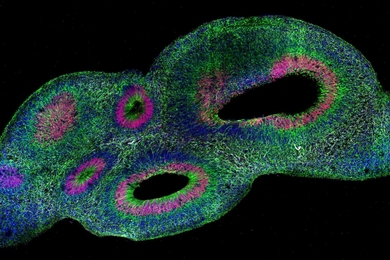
Unbiased, high-throughput analysis pipeline improves utility of “minibrains” for understanding development and diseases such as Zika infection.

MIT researchers pinpoint mechanism and demonstrate that drugs could help.
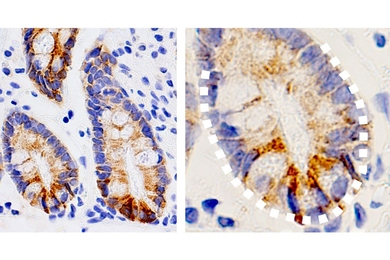
Molecules called ketone bodies may improve stem cells’ ability to regenerate new intestinal tissue.
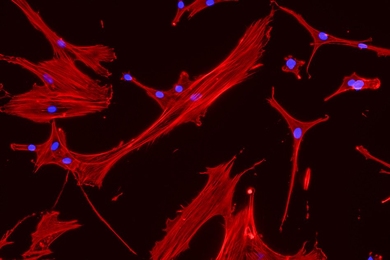
Method boosts differentiation of stem cells into mature blood cell types, may help leukemia and lymphoma patients.
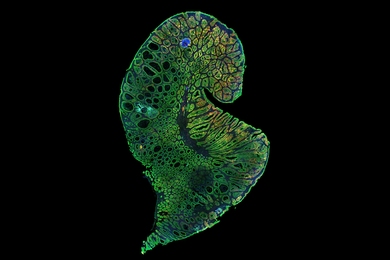
New MIT initiative delves into the biology of stem cells and cancer stem cells, seeks ways to identify, purify, and propagate them.