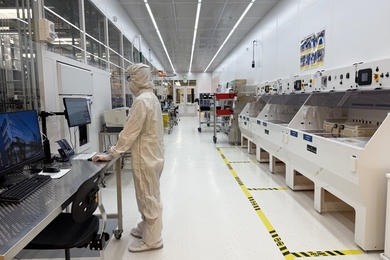
Powering 160,000 hours of discovery at MIT.nano
NanoFab Equipment Management and Operations (NEMO) system streamlines shared facilities management via tool trainings, reservations, and lab communications.
NanoFab Equipment Management and Operations (NEMO) system streamlines shared facilities management via tool trainings, reservations, and lab communications.

The influential first leader of the Computation Structures Group at MIT played a key role in the development of asynchronous computing.
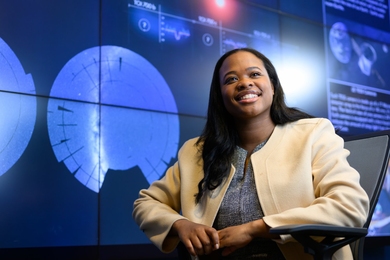
PhD student Carissma McGee studies exoplanets and examines intellectual property frameworks for space collaborations.
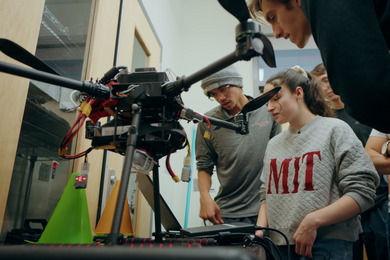
In 16.85 (Design and Testing of Autonomous Vehicles), AeroAstro students build software that allows autonomous flight vehicles to navigate unknown environments.
A new method developed at MIT could root out vulnerabilities and improve LLM safety and performance.
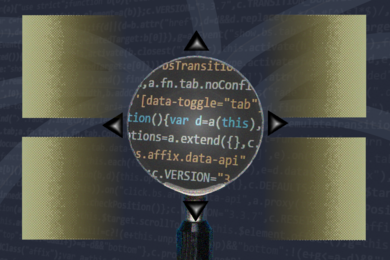
EnCompass executes AI agent programs by backtracking and making multiple attempts, finding the best set of outputs generated by an LLM. It could help coders work with AI agents more efficiently.

Founded by two MIT alumni, Samsara’s platform gives companies a central hub to learn from their workers, equipment, and other infrastructure.
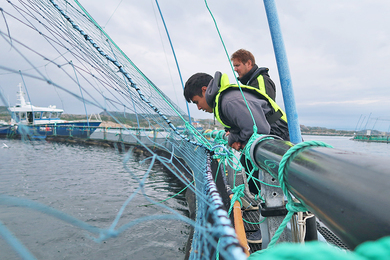
AquaCulture Shock program, in collaboration with MIT-Scandinavia MISTI, offers international internships for AI and autonomy in aquaculture

The virtual VideoCAD tool could boost designers’ productivity and help train engineers learning computer-aided design.
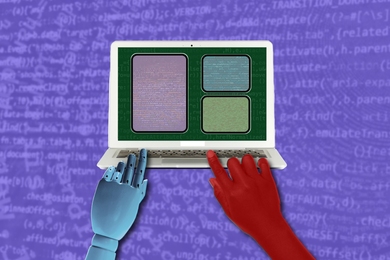
The coding framework uses modular concepts and simple synchronization rules to make software clearer, safer, and easier for LLMs to generate.

ChemXploreML makes advanced chemical predictions easier and faster — without requiring deep programming skills.
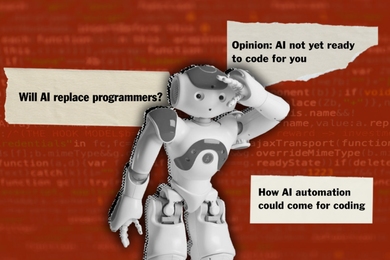
A team of researchers has mapped the challenges of AI in software development, and outlined a research agenda to move the field forward.
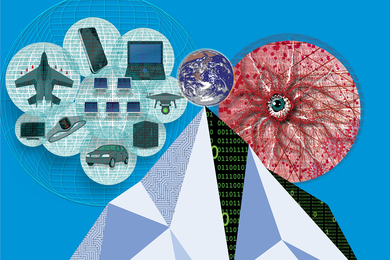
Lincoln Laboratory cybersecurity expert Hamed Okhravi calls for a unified approach to securing computer memory, as a matter of national security.

Caitlin Morris, a PhD student and 2024 MAD Fellow affiliated with the MIT Media Lab, designs digital learning platforms that make room for the “social magic” that influences curiosity and motivation.

A new framework from the MIT-IBM Watson AI Lab supercharges language models, so they can reason over, interactively develop, and verify valid, complex travel agendas.