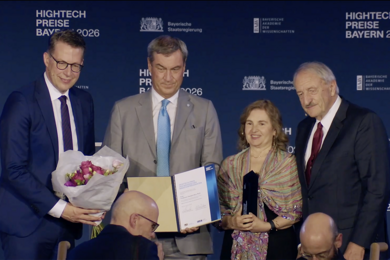
Daniela Rus receives Bavarian Minister-President's High-Tech Prize
Director of CSAIL and MIT professor honored for her contributions to robotics, artificial intelligence, and autonomous systems.
Director of CSAIL and MIT professor honored for her contributions to robotics, artificial intelligence, and autonomous systems.
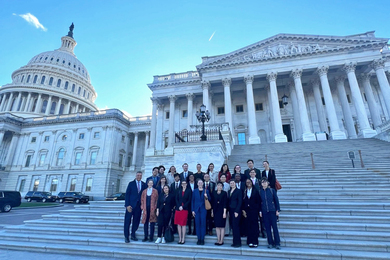
MIT students and postdocs discussed science funding and research with policymakers in Washington during the MIT Science Policy Initiative’s annual Congressional Visit Days.
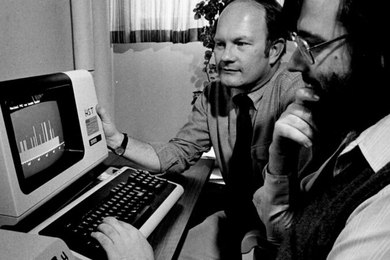
The visionary PhysioNet platform launched 25 years ago, based on a system developed at MIT in the 1970s. It has become one of the most comprehensive biomedical and clinical data repositories in existence.
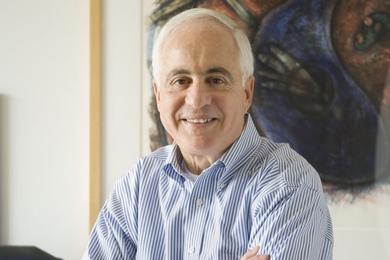
Architect of MIT’s interdisciplinary Program in Polymers and Soft Matter and the PhD in chemical engineering practice is remembered for his passion for mentorship and education.
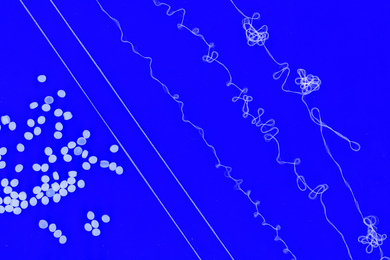
Melt it, spin it, use it again. This new recyclable yarn is as strong and stretchy as spandex-based yarns.
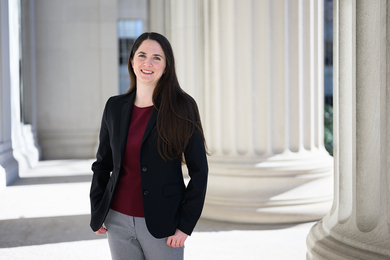
PhD student Lauren Fortier is building on the experience she gained operating a nuclear plant for the Navy to solve a critical hurdle in the wider adoption of the energy source.
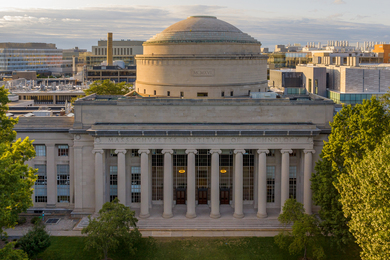
Initial research projects advance national priorities across natural resources, manufacturing, nuclear physics, and more.
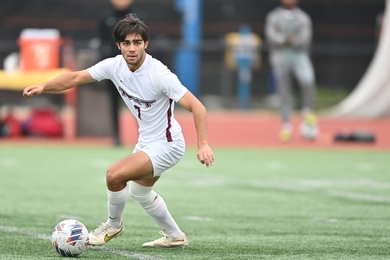
The rising senior is passionate about soccer, nuclear fusion, and advocating on behalf of his fellow student-athletes at MIT.
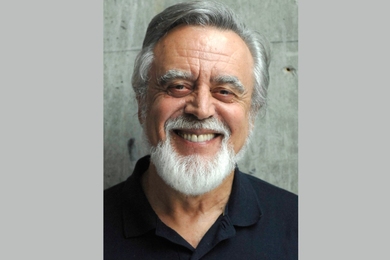
Known for his clear and elegant writing style, Bertsekas shaped fields from control and optimization to large-scale computation and artificial intelligence.
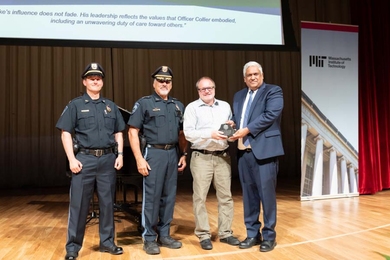
The MIT community celebrated the talent, dedication, and impact of its staff.
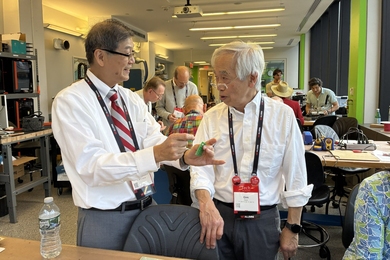
A recent reunion activity, taught by EECS Senior Lecturer Gim Hom, doubled as both his “last class” and a chance to reconnect with classmates.
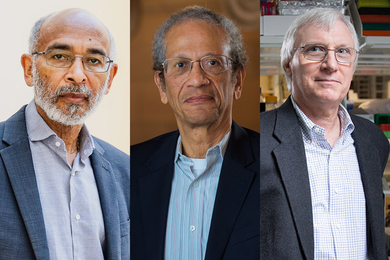
Longtime professors and experts in the fields of anesthesiology, aerospace engineering, and biological engineering, respectively, receive MIT’s highest faculty honor.
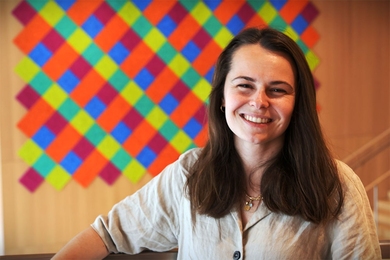
Assistant Professor Bailey Flanigan has arrived at complex computational methods for helping democracy thrive.
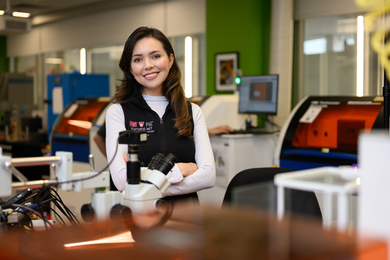
The PhD candidate builds soft bioelectronic technologies to decode signals between the brain and the rest of the body.
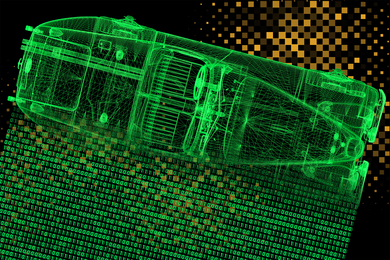
Researchers developed an automated framework that helps AI models generate CAD programs more accurately and efficiently.