
3Q: Why science is curiosity on a mission
VP for Communications Alfred Ironside describes how a new initiative from MIT seeks to remind Americans of the value and power of curiosity-driven research.
VP for Communications Alfred Ironside describes how a new initiative from MIT seeks to remind Americans of the value and power of curiosity-driven research.

When it comes to emissions, individual driving patterns matter as much as how “green” the regional electricity mix is, MIT researchers report.

MIT senior Olivia Honeycutt investigates how the ways we communicate can shape our views of the world.

President Sally Kornbluth spoke in front of a packed crowd about growing challenges to the U.S. research ecosystem as funding for America’s top research universities becomes increasingly strained.

Economists find that in metro areas with more immigration, nurses are spending more time with elderly patients.
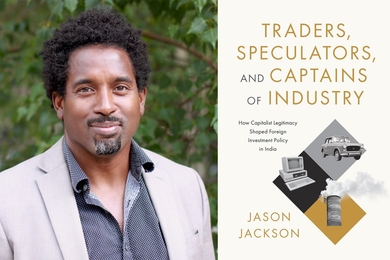
A book by Associate Professor Jason Jackson explores how policymakers moved past post-colonial India to support its own captains of industry.
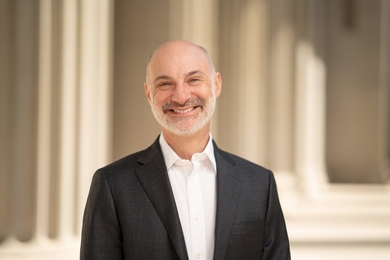
As the School of Humanities, Arts, and Social Sciences marks 75 years, Dean Agustín Rayo reflects on how AI is reshaping higher education and why SHASS disciplines continue to be central to MIT’s mission.
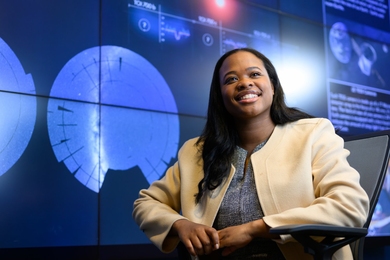
PhD student Carissma McGee studies exoplanets and examines intellectual property frameworks for space collaborations.
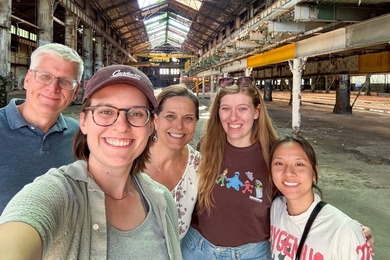
“You can’t teach planning today without grappling with how policy actually unfolds within communities,” says Professor Phillip Thompson.
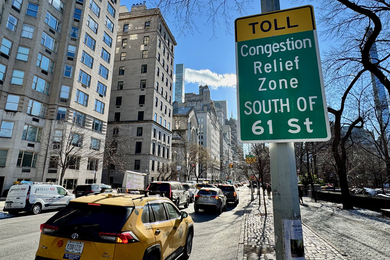
A new study pieces together existing data sources in order to develop a detailed, dynamic picture of auto emissions.
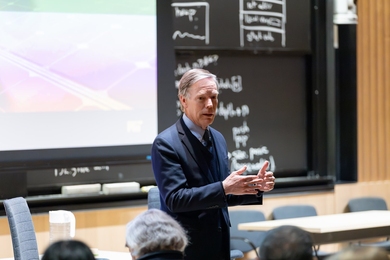
At MIT, former U.S. ambassador to China Nicholas Burns highlights climate change as an area for diplomatic engagement, while exploring areas including China's emphasis on STEM education.

An international study reveals disparities in urban shade levels, exacerbating the “heat island” effect in big cities.
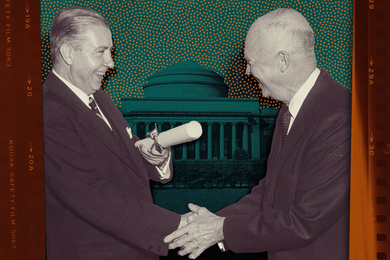
For several decades beginning in the 1950s, the Killian Report set the frontiers of military technology, intelligence gathering, national security policy, and global affairs.

The first complete charting of foot traffic in any US city can be used for infrastructure decisions and safety improvements.
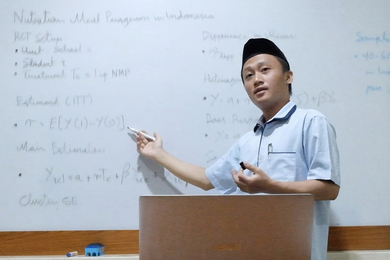
Munip Utama applies knowledge from the MITx MicroMasters Program in Data, Economics, and Design of Policy to his efforts supporting students in Indonesia.