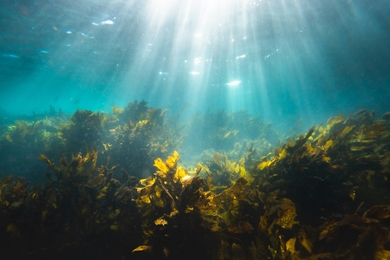
Marine bacteria team up to break down one of the ocean's toughest carbon-storing molecules
Researchers reveal how communities of marine bacteria divide the task of degrading fucoidan, a key player in ocean carbon storage.
Researchers reveal how communities of marine bacteria divide the task of degrading fucoidan, a key player in ocean carbon storage.
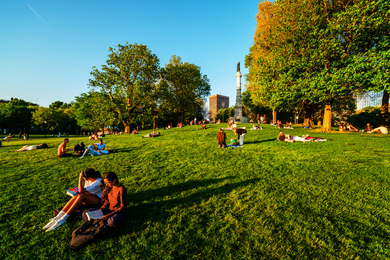
An extensive study of U.S. cities identifies walkable neighborhoods, urban greenery, and access to amenities as key contributors to residents’ health.
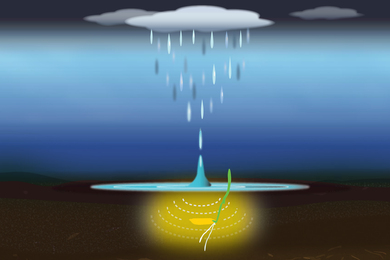
Experiments by MIT engineers show rice seeds sprout faster to the sound of rain.
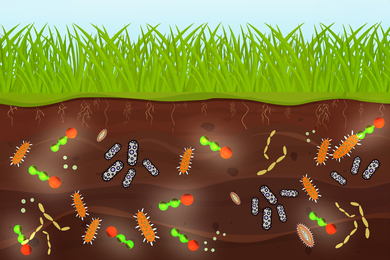
While some N2O is produced naturally at the plant root, agricultural practices can increase its levels, to the detriment of some microbes that support plant growth.
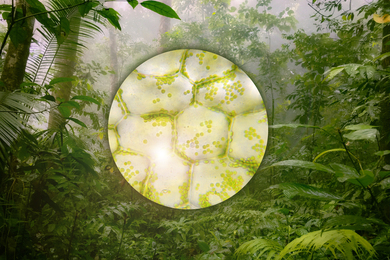
Foray Bioscience, founded by Ashley Beckwith SM ’18, PhD ’22, is engineering single plant cells to create new materials and meet growing demand.
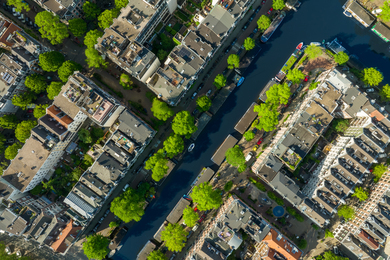
An international study reveals disparities in urban shade levels, exacerbating the “heat island” effect in big cities.
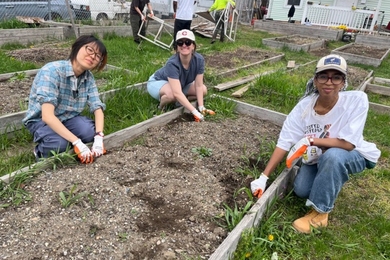
4.182 (Resilient Urbanism: Green Commons in the City), a new subject funded by the MIT Human Insight Collaborative (MITHIC), teaches students about sustainable agriculture in urban areas.
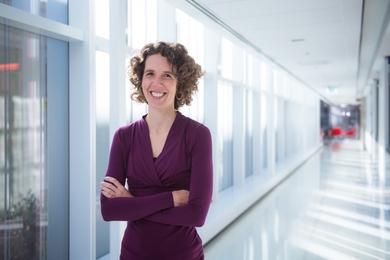
McRose, an environmental microbiologist, is recognized for researching the ecological roles of antibiotics in shaping ecosystems, agriculture, and health.
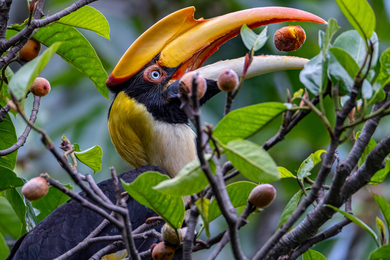
An MIT study shows decreases in seed-dispersing animals can lead to a major reduction in forest carbon absorption.
The enzyme, known as rubisco, helps plants and photosynthetic bacteria incorporate carbon dioxide into sugars.
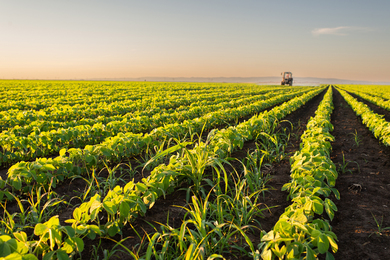
The findings could enable new ways to increase plants’ resilience to UV stress and enhance seedling growth.
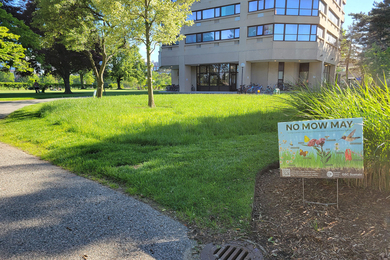
With advocacy from GSC Sustain, the No Mow May project supports pollinator habitats and provides educational opportunities.
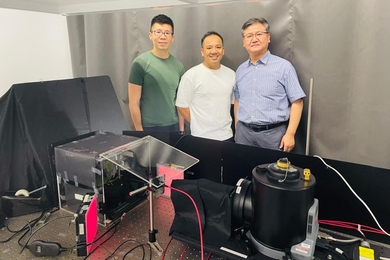
Researchers from SMART DiSTAP developed the world’s first near-infrared fluorescent nanosensor capable of monitoring a plant’s primary growth hormone in real-time and without harming the plant.

Founded by two former regulars at the MITERS makerspace, the company has built huge, rugged drones to more safely and sustainably apply fertilizers and pesticides on farms.
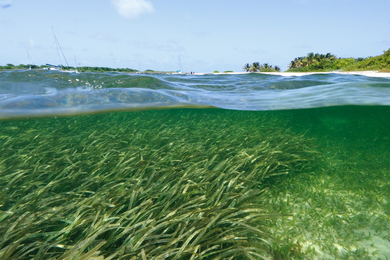
Biofilms deposited by living organisms reduce the accumulation of small particles, while areas of bare sand can be microplastics hotspots.