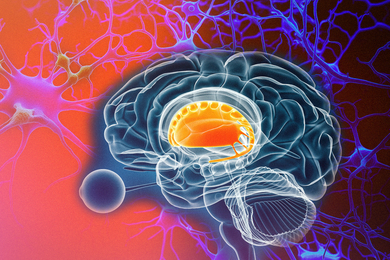
Brain pathways that control dopamine release may influence motor control
The newly identified pathways appear to relay emotional information that helps to shape the motivation to take action.
The newly identified pathways appear to relay emotional information that helps to shape the motivation to take action.
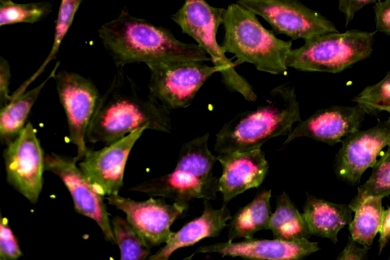
Novel method to scale phenotypic drug screening drastically reduces the number of input samples, costs, and labor required to execute a screen.
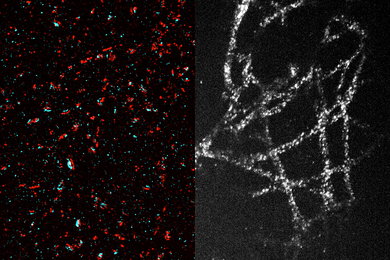
Labs that can’t afford expensive super-resolution microscopes could use a new expansion technique to image nanoscale structures inside cells.
A new study adds evidence that consciousness requires communication between sensory and cognitive regions of the brain’s cortex.

Study reveals the drug, 5-fluorouracil, acts differently in different types of cancer — a finding that could help researchers design better drug combinations.

Hanna Adeyema and Carolina Haass-Koffler discuss the substance use disorder crisis and the future of innovation in the field.

“ScribblePrompt” is an interactive AI framework that can efficiently highlight anatomical structures across different medical scans, assisting medical workers to delineate regions of interest and abnormalities.

The software tool NeuroTrALE is designed to quickly and efficiently process large amounts of brain imaging data semi-automatically.
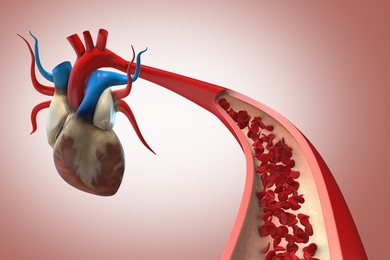
A mathematical method, validated with experimental data, provides a fast, reliable, and minimally invasive way of determining how to treat critical blood pressure changes during surgery or intensive care.
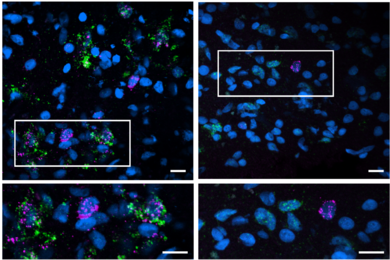
Genomics and lab studies reveal numerous findings, including a key role for Reelin amid neuronal vulnerability, and for choline and antioxidants in sustaining cognition.

The model could help clinicians assess breast cancer stage and ultimately help in reducing overtreatment.
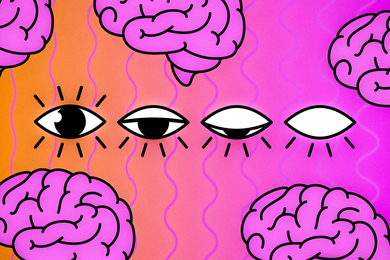
Propofol, a drug commonly used for general anesthesia, derails the brain’s normal balance between stability and excitability.
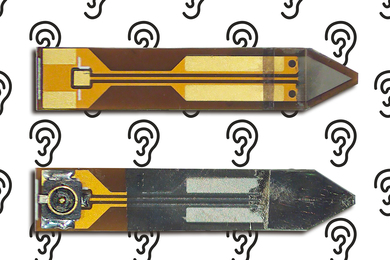
This tiny, biocompatible sensor may overcome one of the biggest hurdles that prevent the devices from being completely implanted.
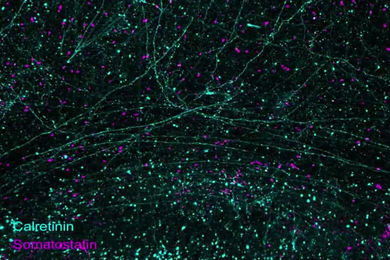
Three innovations by an MIT-based team enable high-resolution, high-throughput imaging of human brain tissue at a full range of scales, and mapping connectivity of neurons at single-cell resolution.

MIT neuroscientists have found that the brain uses the same cognitive representations whether navigating through space physically or mentally.