
Can deep learning transform heart failure prevention?
A deep neural network called CHAIS may soon replace invasive procedures like catheterization as the new gold standard for monitoring heart health.
A deep neural network called CHAIS may soon replace invasive procedures like catheterization as the new gold standard for monitoring heart health.
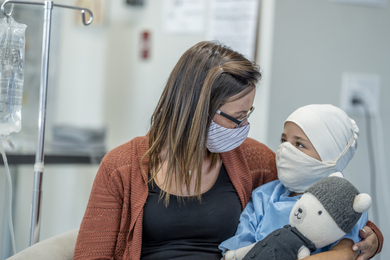
When his son received a devastating diagnosis, Fernando Goldsztein MBA ’03 founded an initiative to help him and others.

Starting with a single frame in a simulation, a new system uses generative AI to emulate the dynamics of molecules, connecting static molecular structures and developing blurry pictures into videos.

As part of a high-resolution biosensing device without wires, the antennas could help researchers decode intricate electrical signals sent by cells.

With models like AlphaFold3 limited to academic research, the team built an equivalent alternative, to encourage innovation more broadly.

In a recent commentary, a team from MIT, Equality AI, and Boston University highlights the gaps in regulation for AI models and non-AI algorithms in health care.

Laureates participated in various Nobel Week events, including lectures, a concert, a banquet, and the Nobel ceremony on Dec. 10.
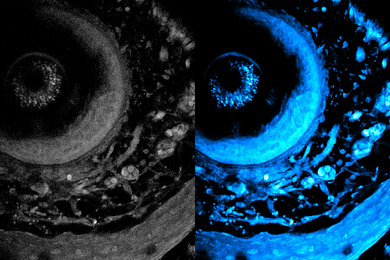
Using high-powered lasers, this new method could help biologists study the body’s immune responses and develop new medicines.

The MIT Health and Life Sciences Collaborative will bring together researchers from across the Institute to deliver health care solutions at scale.
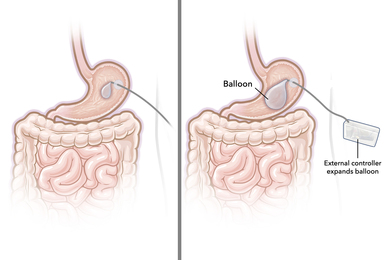
The new balloon can be expanded before a meal to prevent overeating, then deflated when no longer needed.
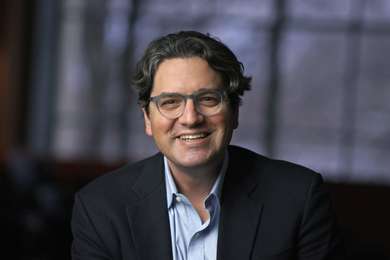
Physician and engineer Giovanni Traverso found an early passion for molecular genetics, leading to an interdisciplinary career helping others.

In a talk at MIT, White House science advisor Arati Prabhakar outlined challenges in medicine, climate, and AI, while expressing resolve to tackle hard problems.
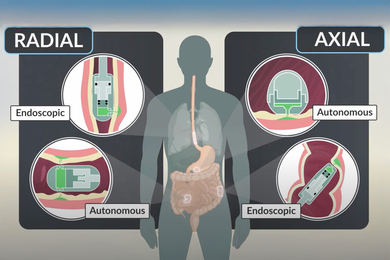
The needle-free device could be used to deliver insulin, antibodies, RNA, or other large molecules.
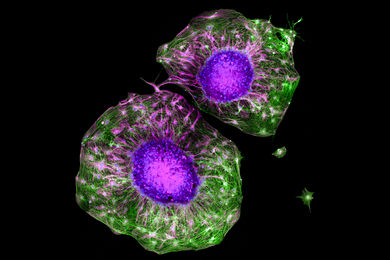
The findings suggest that biochemical and physical effects of exercise could help heal nerves.
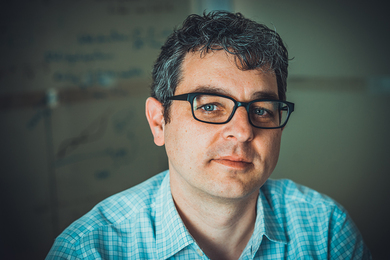
Thomas Heldt, associate director of IMES, describes how he collaborates closely with MIT colleagues and others at Boston-area hospitals.