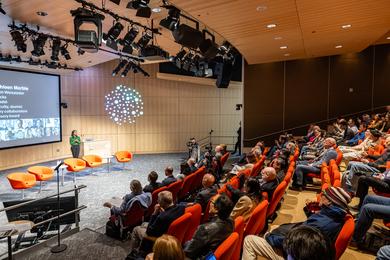
Big strides in cancer detection and treatment from the tiniest technologies
The MIT Marble Center for Cancer Nanomedicine looks back at 10 years of turning big ideas about nanotechnology into transformative advances for cancer patients.
The MIT Marble Center for Cancer Nanomedicine looks back at 10 years of turning big ideas about nanotechnology into transformative advances for cancer patients.
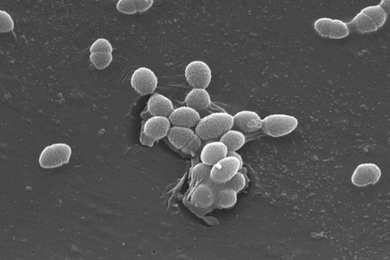
Study finds a common bacterium can suppress the body’s early warning system in wounds, causing infections to persist and create an environment that allows other bacteria to take hold.
Assistant Professor Alison Ringel will investigate the intersection of immunology and aging biology, aiming to define mechanisms that underlie aging-related decline, thanks to a grant from the foundation.

Zuri Sullivan, a new assistant professor of biology and Whitehead Institute member, studies why we get sick, and whether aspects of illness, such as disrupted appetite, contribute to host defense.
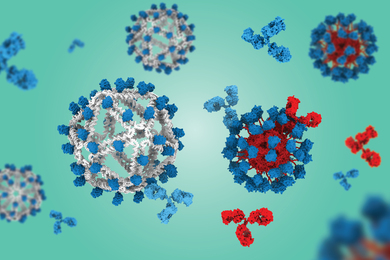
Based on a virus-like particle built with a DNA scaffold, the approach could generate broadly neutralizing antibody responses against HIV or influenza.
By analyzing how Myobacterium tuberculosis interacts with the immune system, the associate professor hopes to find new vaccine targets to help eliminate the disease.
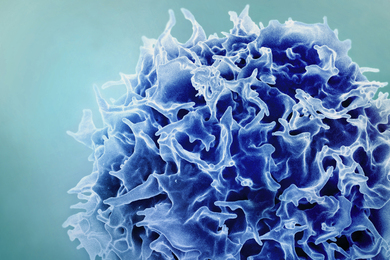
Stimulating the liver to produce some of the signals of the thymus can reverse age-related declines in T-cell populations and enhance response to vaccination.
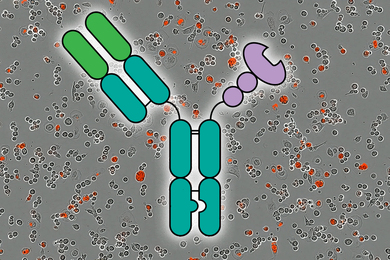
Using new molecules that block an immune checkpoint, researchers showed they could stimulate a strong anti-tumor immune response.
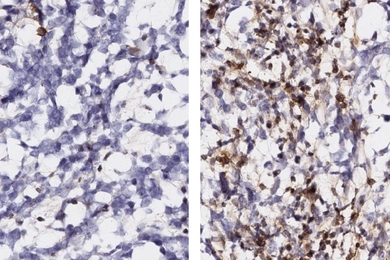
A study profiling antigens presented on immune and tumor cells in co-culture points to new strategies for attacking a treatment-resistant and deadly brain cancer.
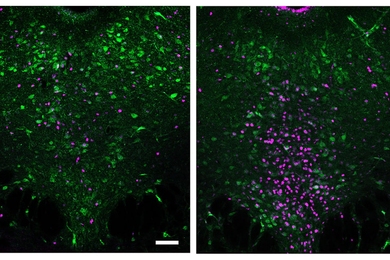
MIT researchers discover how an immune system molecule triggers neurons to shut down social behavior in mice modeling infection.
MIT researchers show they can use messenger RNA to activate the pathway and trigger the immune system to attack tumors.
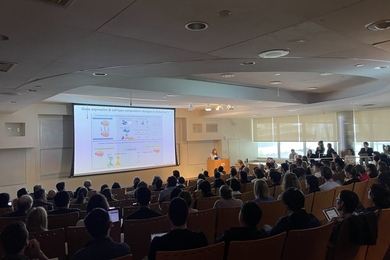
Speakers at MIT’s Aging Brain Initiative symposium described how immune system factors during aging contribute to Alzheimer’s, Parkinson’s and other conditions. The field is leveraging that knowledge to develop new therapies.

The Fairbairn Menstruation Science Fund will allow researchers to accelerate the understanding and treatment of often-neglected diseases that tend to be more common in women.

CellLENS reveals hidden patterns in cell behavior within tissues, offering deeper insights into cell heterogeneity — vital for advancing cancer immunotherapy.

The BiophysicaL Immune Profiling for Infants (BLIPI) profiles an infant’s immune system in under 15 minutes, using just a single drop of blood.