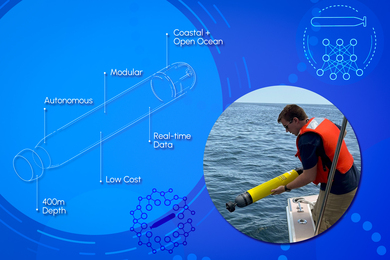
Mapping the ocean with autonomous sensors
Founded by Ravi Pappu SM ’95, PhD ’01, Apeiron Labs is deploying low-cost ocean sensors to improve storm forecasts, detect endangered species, and more.
Founded by Ravi Pappu SM ’95, PhD ’01, Apeiron Labs is deploying low-cost ocean sensors to improve storm forecasts, detect endangered species, and more.
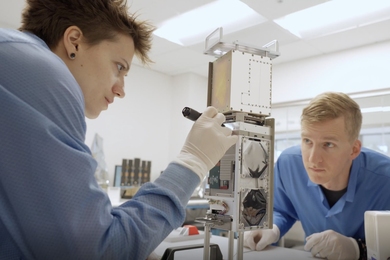
Mini microwave sounders developed at Lincoln Laboratory, demonstrated on a NASA mission, and now transferred to industry, are expanding storm-forecasting capabilities.
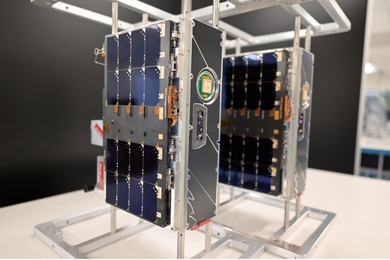
Federal Laboratory Consortium award recognizes excellence in commercializing small microwave sounders expected to improve weather forecasts.
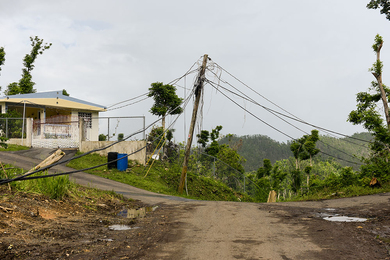
Using the island as a model, researchers demonstrate the “DyMonDS” framework can improve resiliency to extreme weather and ease the integration of new resources.

The method could help communities visualize and prepare for approaching storms.

Director of the MIT Humanitarian Supply Chain Lab, within the Center for Transportation and Logistics, honored for “leading the way ... to help disaster survivors in their own backyards and around the world.”
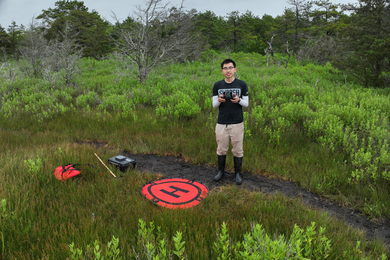
As climate change accelerates sea-level rise and intensifies storms, marsh-fronted seawalls can provide an economical coastal defense, MIT engineers report.

A new downscaling method leverages machine learning to speed up climate model simulations at finer resolutions, making them usable on local levels.
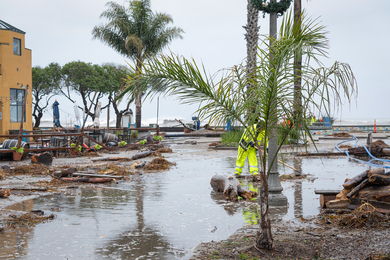
The new approach “nudges” existing climate simulations closer to future reality.
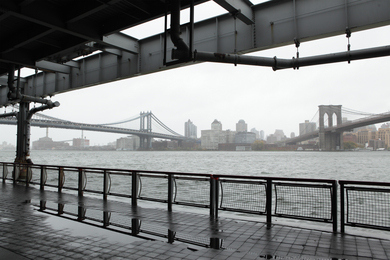
Using New York as a test case, the model predicts flooding at the level experienced during Hurricane Sandy will occur roughly every 30 years by the end of this century.

The HASTS PhD candidate describes his new book, “Sordidez,” a science fiction novella on rebuilding, healing, and indigeneity following civil war and climate disaster.

Technologies recognized with "Oscars of Innovation" transform hurricane tracking, electronics cooling, collision avoidance, cybersecurity, and more.

Failing to consider neighborhood texture in hurricane-related wind loss models may undervalue stronger construction by over 80 percent.
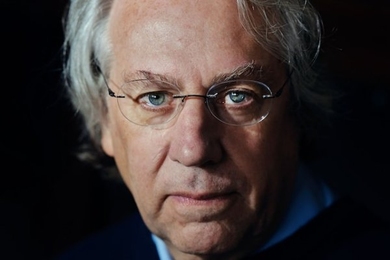
With over 200 published papers, multiple books, and countless media appearances, Emanuel’s 41 years at MIT have been marked by influential research into hurricane formation and climate change outreach.
To better inform local policy in the face of changing weather extremes, MIT researchers seek to advance the modeling of long-term weather risks.