
MIT engineers’ virtual violin produces realistic sounds
Based on the physics of how the instrument produces sound, the model could help violin makers in the design process.
Based on the physics of how the instrument produces sound, the model could help violin makers in the design process.

The weird quantum behavior of subatomic particles can be understood through everyday classical ideas, MIT researchers show.

From lazy ripples to towering breakers, waves should vary widely from one planet to another, according to a new model.
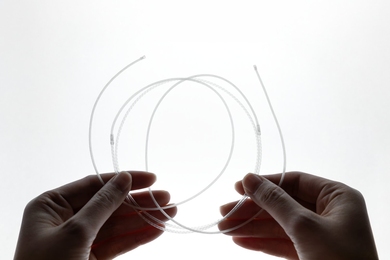
Electrofluidic fibers mimic how natural muscle fibers bundle, and could enable compact, silent robotic and prosthetic systems.
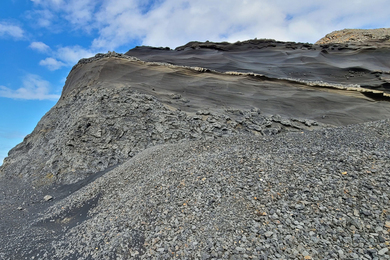
New research by MIT geophysicists could assist efforts to remove carbon from the atmosphere and store it underground.
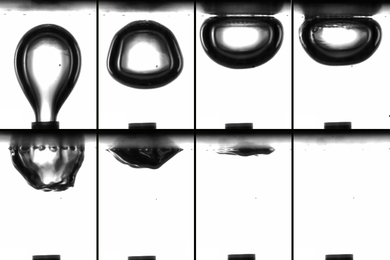
MIT researchers uncovered the physics behind bubble-removing membranes that could improve bioreactors, chemical production, and more.
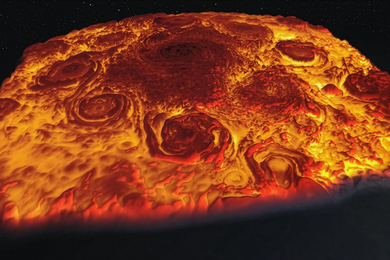
New research may explain the striking differences between the two planets’ polar vortex patterns.
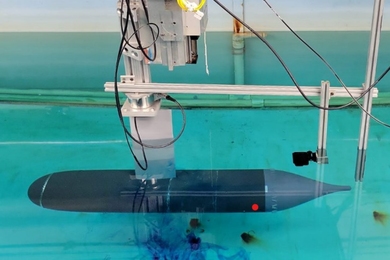
Wedge-shaped vortex generators reduce drag in ship hulls, which could advance decarbonization for the shipping industry.
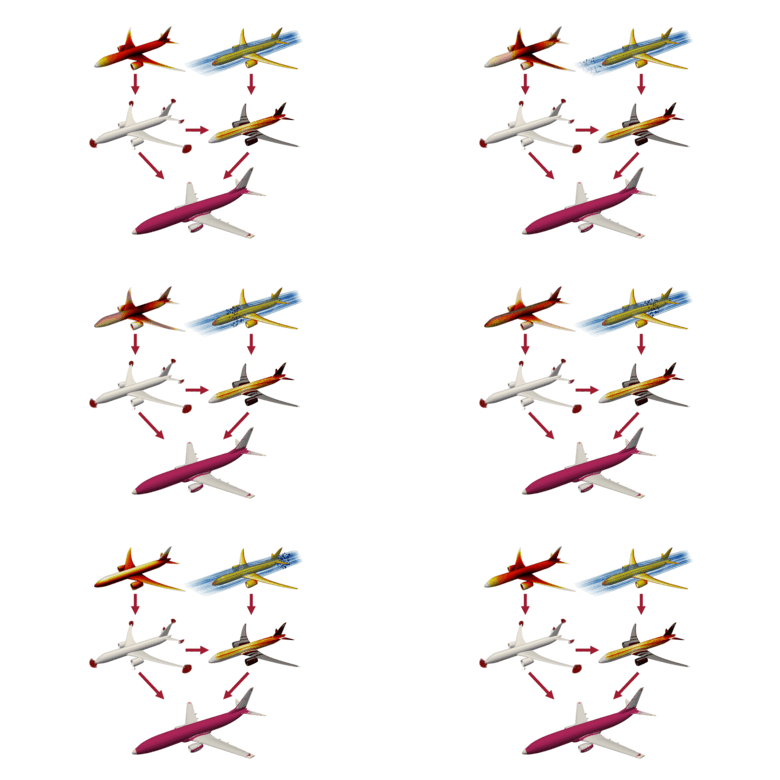
The new approach maps aircraft sections most vulnerable to lightning, including on planes with experimental designs.
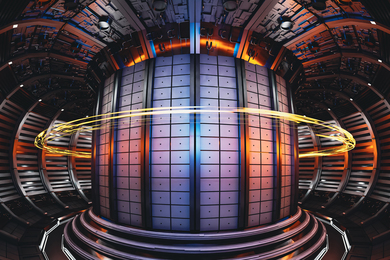
The approach combines physics and machine learning to avoid damaging disruptions when powering down tokamak fusion machines.

Research shows these channels allow seawater and nutrients to flow in and out, helping to maintain reef health over millions of years.
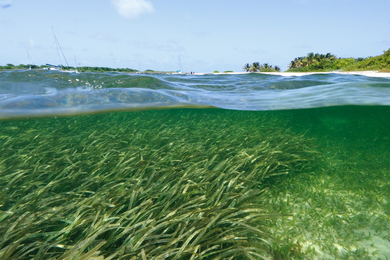
Biofilms deposited by living organisms reduce the accumulation of small particles, while areas of bare sand can be microplastics hotspots.
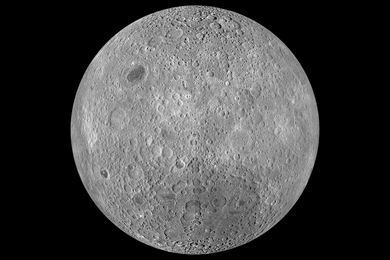
A large impact could have briefly amplified the moon’s weak magnetic field, creating a momentary spike that was recorded in some lunar rocks.
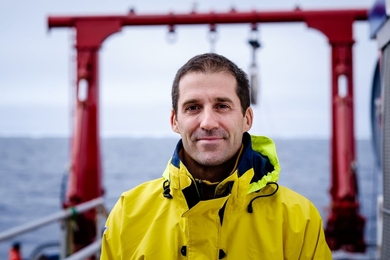
Professor Thomas Peacock’s research aims to better understand the impact of deep-sea mining.

With projected global warming, the frequency of extreme storms will ramp up by the end of the century, according to a new study.