
MIT projects selected for funding under US Department of Energy’s Genesis Mission
Initial research projects advance national priorities across natural resources, manufacturing, nuclear physics, and more.
Initial research projects advance national priorities across natural resources, manufacturing, nuclear physics, and more.
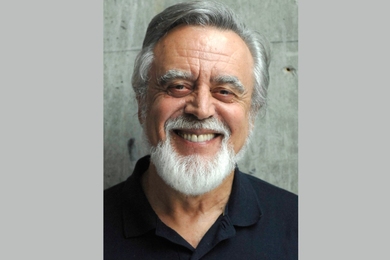
Known for his clear and elegant writing style, Bertsekas shaped fields from control and optimization to large-scale computation and artificial intelligence.
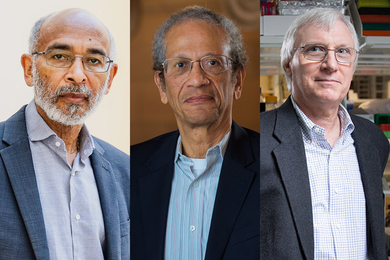
Longtime professors and experts in the fields of anesthesiology, aerospace engineering, and biological engineering, respectively, receive MIT’s highest faculty honor.
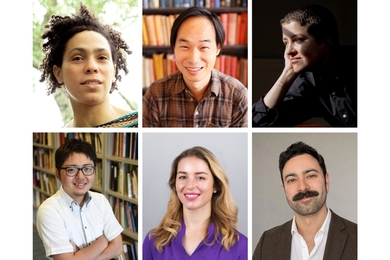
New professors join the Comparative Media Studies/Writing, Economics, Linguistics, and Music and Theater Arts departments.
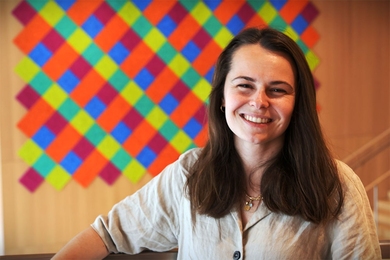
Assistant Professor Bailey Flanigan has arrived at complex computational methods for helping democracy thrive.
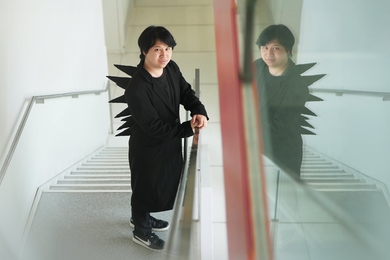
Assistant Professor Pat Pataranutaporn describes a new interface that lets everyday users glimpse inside an AI's neural network before their chatbot ever says a word.
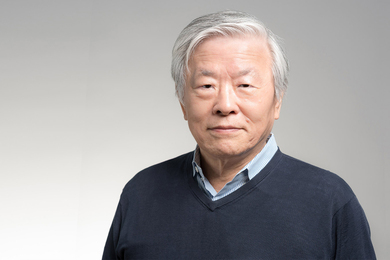
Tonegawa made landmark discoveries about how the immune system generates antibody diversity and how the brain forms memories.
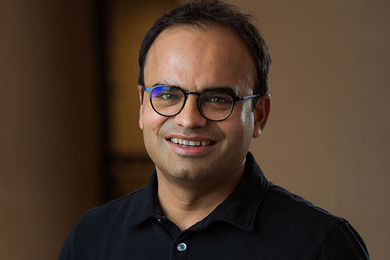
Through research and entrepreneurship, Professor Devavrat Shah is helping to design methods that can handle constant decision-making using limited computational resources.

A faculty member since 2007, the scholar of medieval literature explores how different parts of physical manuscripts combine to create interest and meaning.
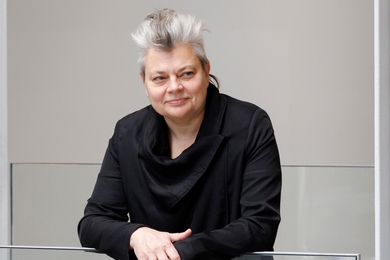
In this leadership role, Miljački seeks to shepherd a collective commitment to transform the present into a better future.
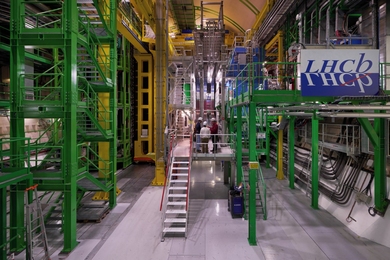
Assistant Professor Eluned Smith describes how new LHC data confirm a previously observed tension with the Standard Model, plus what else will be needed to determine whether new physics is at play.
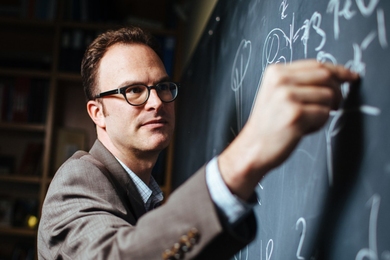
The professor of physics and inaugural director of the NSF AI Institute for Artificial Intelligence and Fundamental Interactions will lead LNS and continue his research in particle physics.
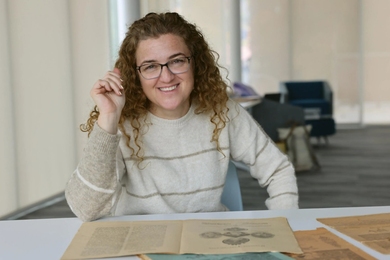
A faculty member since 2011, Ekmekcioglu examines how communities survive, adapt, remember, and make claims on justice under difficult political conditions.
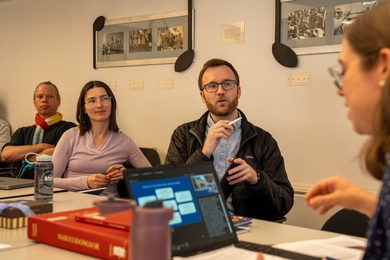
The SHASS Faculty Fellows Program, administered by the MIT Human Insight Collaborative, is fostering new research projects and creating space for supportive and interdisciplinary discussion.
Wyslouch remains the director of the Bates Research and Engineering Center and will continue research on heavy ion collisions.