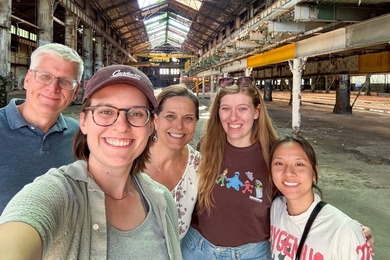
Urban planning students engage with communities through the Freedom Summer Fellowship
“You can’t teach planning today without grappling with how policy actually unfolds within communities,” says Professor Phillip Thompson.
“You can’t teach planning today without grappling with how policy actually unfolds within communities,” says Professor Phillip Thompson.
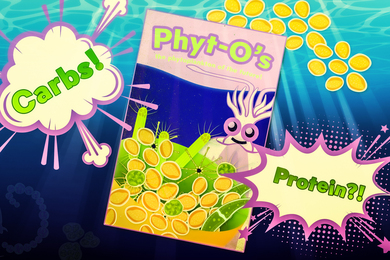
With warmer ocean temperatures, the composition of marine plankton could shift from protein-rich to carb-heavy, a new study suggests.
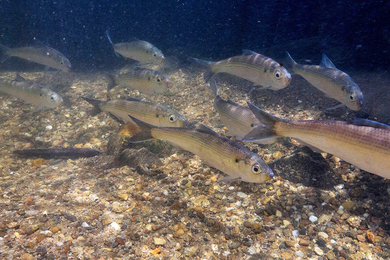
MIT Sea Grant works with the Woodwell Climate Research Center and other collaborators to demonstrate a deep learning-based system for fish monitoring.
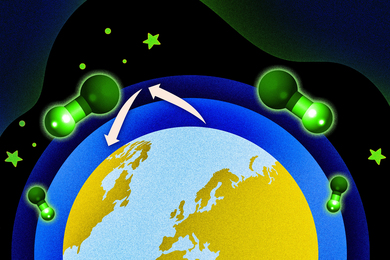
A new model shows how levels of the “atmosphere’s detergent” may rise and fall in response to climate change.
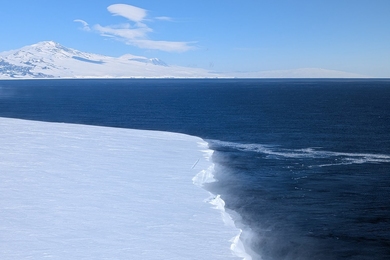
Observations suggest a major melting event at the Ross Ice Shelf was connected to atmospheric turbulence.
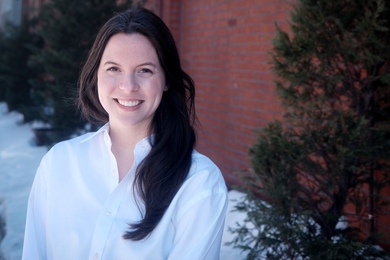
Madison Goldberg, the new host of the Ask MIT Climate podcast, talks about her career as a science communicator as well as ideas she thinks it’s important for climate communicators to convey.
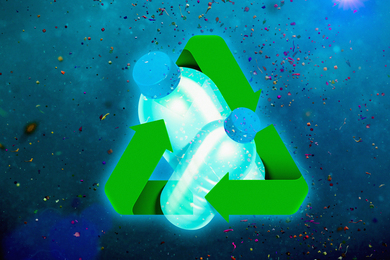
MIT researchers uncovered the roles of bacterial species from the environment as they consume biodegradable plastic.
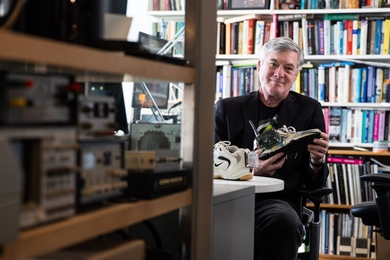
From early motion-sensing platforms to environmental monitoring, the professor and head of the Program in Media Arts and Sciences has turned decades of cross-disciplinary research into real-world impact.
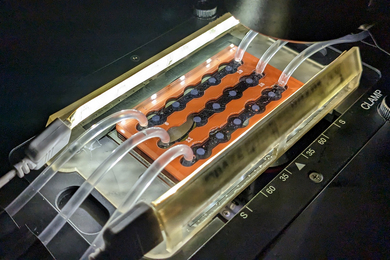
A new study finds hitchhiking bacteria dissolve essential ballast in ubiquitous “snow” particles, which could counteract the ocean’s ability to sequester carbon.
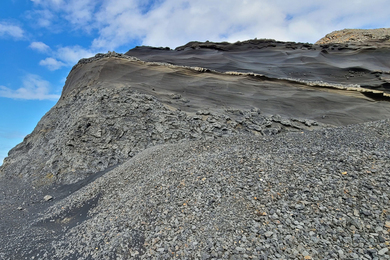
New research by MIT geophysicists could assist efforts to remove carbon from the atmosphere and store it underground.
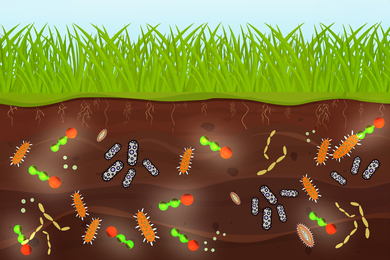
While some N2O is produced naturally at the plant root, agricultural practices can increase its levels, to the detriment of some microbes that support plant growth.
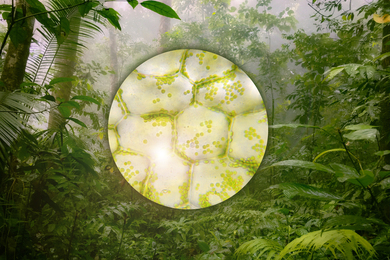
Foray Bioscience, founded by Ashley Beckwith SM ’18, PhD ’22, is engineering single plant cells to create new materials and meet growing demand.

In research that could help elucidate humans’ role in global warming, scientists showed how three major natural events impacted global atmospheric temperatures.
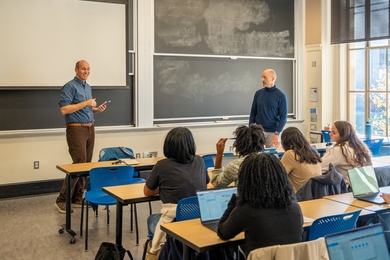
In STS.059 (The Bioeconomy and Society), students explore the social and political factors at work in the biology, biotech, and biological engineering sectors.
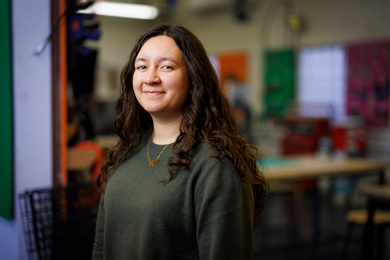
Through research with MIT D-Lab, MIT engineering student Kiyoko “Kik” Hayano worked with Keo Fish Farms to build a model for regenerative water systems.