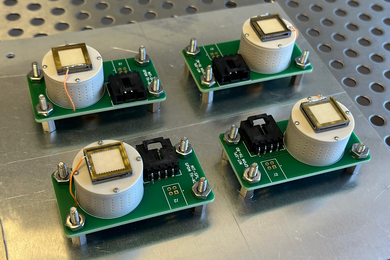
New propulsion system could make tiny satellites both fast and fuel-efficient
For satellites as small as a briefcase, getting around in space just got a whole lot easier.
For satellites as small as a briefcase, getting around in space just got a whole lot easier.

Ferrium C61 was designed with the aid of computers in a field pioneered at the Institute.
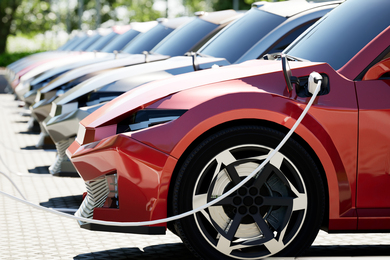
When it comes to emissions, individual driving patterns matter as much as how “green” the regional electricity mix is, MIT researchers report.
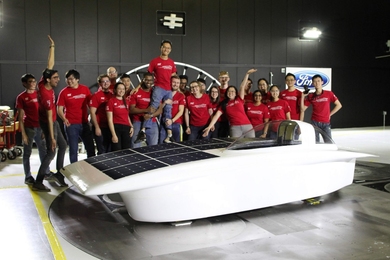
The teamwork, leadership, and communication skills developed in the Gordon Engineering Leadership (GEL) Program drive success of Edgerton Center project teams.
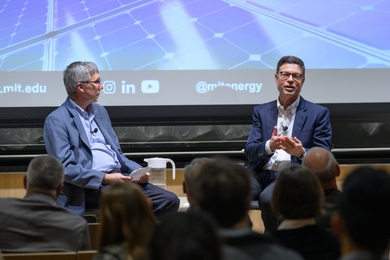
At MITEI’s Fall Colloquium, General Motors’ battery development expert emphasized how affordability, accessibility, and commercialization can position the US as a leader in battery tech.

AI supports the clean energy transition as it manages power grid operations, helps plan infrastructure investments, guides development of novel materials, and more.
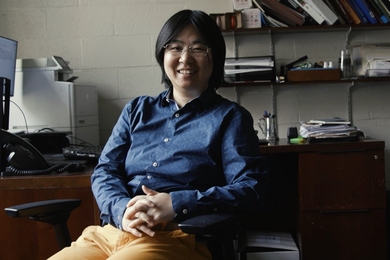
Sili Deng, the Doherty Chair in Ocean Utilization and associate professor of mechanical engineering at MIT, is driving research into sustainable and efficient combustion technologies.
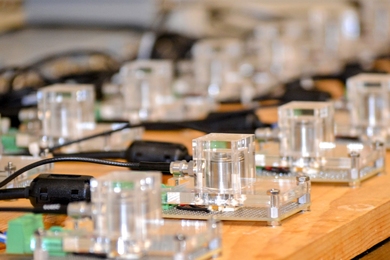
New findings could provide a way to monitor batteries for sounds that could guide manufacturing, indicate remaining usable life, or flag potential safety issues.
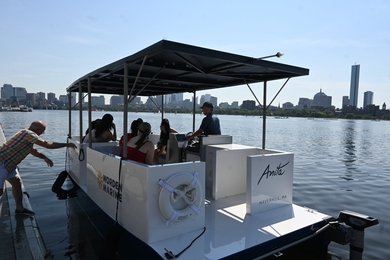
Solar electric vehicle pioneer James Worden ’89 brought his prototype solar electric boat to MIT to talk shop with students and share his vision for solar-powered boats.
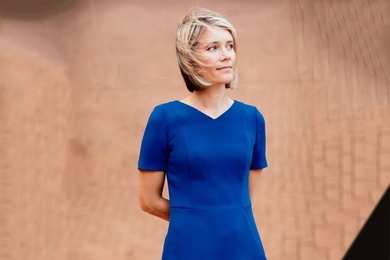
Trancik will lead multidisciplinary research center focused on the high-impact, complex, sociotechnical systems that shape our world.

MIT Advanced Vehicle Technology Consortium marks a decade of developing data that improve understanding of how drivers use and respond to increasingly sophisticated automotive features.
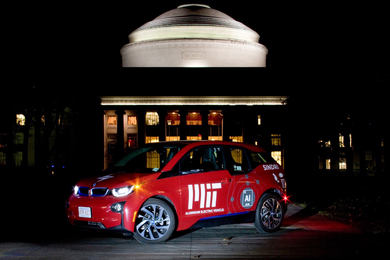
The method’s overall carbon emissions are on par with those of other green hydrogen technologies.
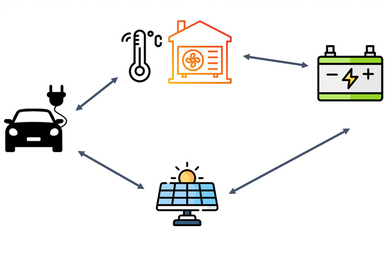
MIT engineers propose a new “local electricity market” to tap into the power potential of homeowners’ grid-edge devices.

Doug Field SM ’92, Ford’s chief of EVs and digital design, leads the legacy carmaker into the software-enabled, battery-propelled future.

MIT engineers developed the largest open-source dataset of car designs, including their aerodynamics, that could speed design of eco-friendly cars and electric vehicles.