
Global warming begets more warming, new paleoclimate study finds
Researchers observe a “warming bias” over the past 66 million years that may return if ice sheets disappear.
Researchers observe a “warming bias” over the past 66 million years that may return if ice sheets disappear.
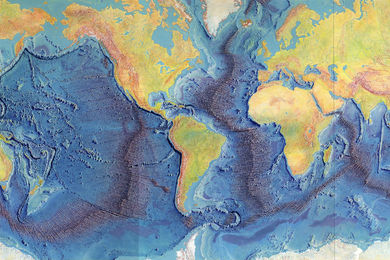
The results could help scientists unravel the processes underlying plate tectonics.
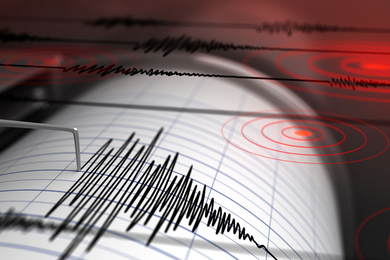
Applied in the field, a new model reduced quakes from oil and gas processes; could help manage seismic events from carbon sequestration.
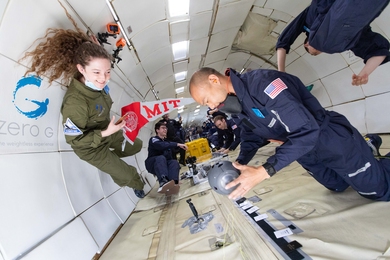
The Space Exploration Initiative supports research across and beyond MIT in two microgravity flights this spring.

Researchers find improvement in relative retention of women but predict decades of sustained effort are required to achieve gender parity.
Fiore brings a breadth of expertise in climate science, atmospheric chemistry, and air pollution to MIT.
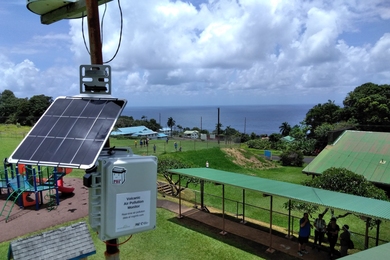
Study demonstrates the power of low-cost air quality sensors during volcanic eruption.

Associate professor of earth science David McGee studies the atmosphere’s response to paleoclimate changes.
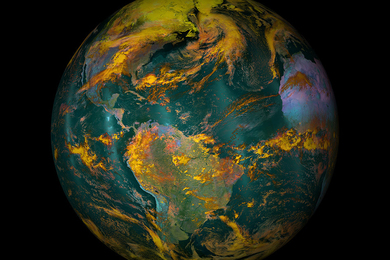
2021 Global Change Outlook from the MIT Joint Program on the Science and Policy of Global Change shows how more aggressive policies can sharply reduce climate risk.
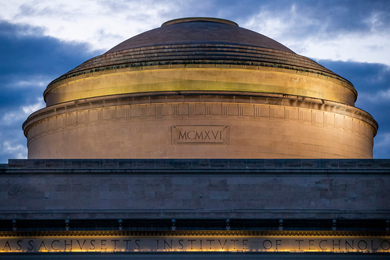
Ranked at the top for the 10th straight year, the Institute also places first in 12 subject areas.

At the Henry W. Kendall Memorial Lecture, biostatistician Francesca Dominici illuminates the interplay between air pollution, environmental injustice, and Covid-19.
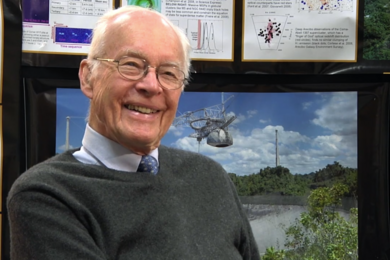
Planetary physicist and former director of the MIT Center for Space Research and the Arecibo Observatory helped repurpose military radar technology for science and space exploration.

In a virtual event, Fincke discussed his time studying at MIT, learning the Russian language, and flying on both Russian and American spacecraft.
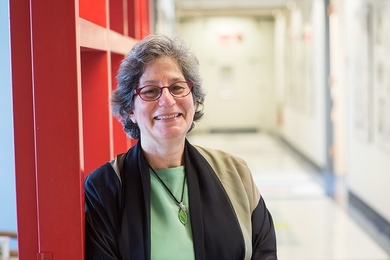
MIT professor describes her path to the Institute, her work on ozone depletion, and her insights on the state of climate policy.

New results point to unexpected, illegal production of several CFCs in recent years.