
Self-organizing “pencil beam” laser could help scientists design brain-targeted therapies
MIT researchers leveraged a surprise discovery to devise a faster and more precise biomedical imaging technique.
MIT researchers leveraged a surprise discovery to devise a faster and more precise biomedical imaging technique.
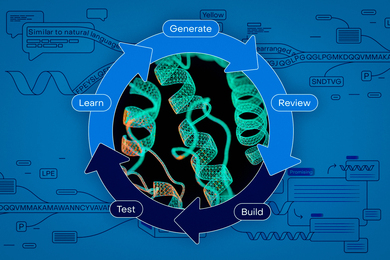
Founded by Tristan Bepler PhD ’20 and former MIT professor Tim Lu PhD ’07, OpenProtein.AI offers researchers open-source models and other tools for protein engineering.
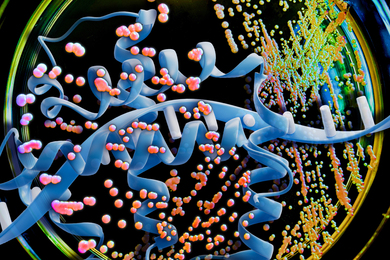
MIT researchers used a large language model to optimize the genetic sequences of proteins manufactured by yeast, making production more efficient.
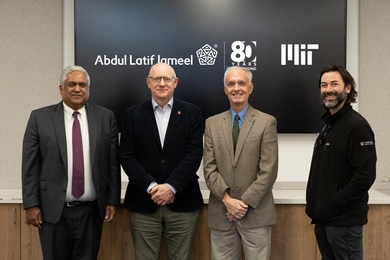
Driven by overuse and misuse of antibiotics, drug-resistant infections are on the rise, while development of new antibacterial tools has slowed.
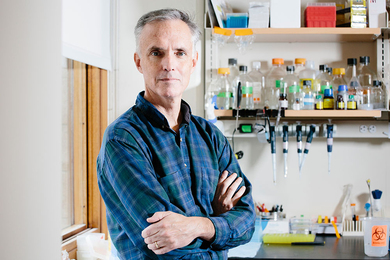
Professor James Collins discusses how collaboration has been central to his research into combining computational predictions with new experimental platforms.
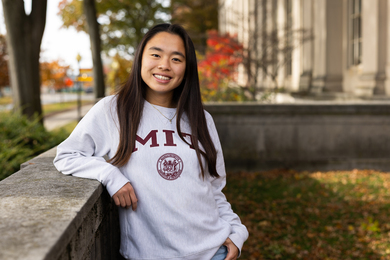
The MIT senior helps design proteins that spur the immune system to fight cancer and other diseases.
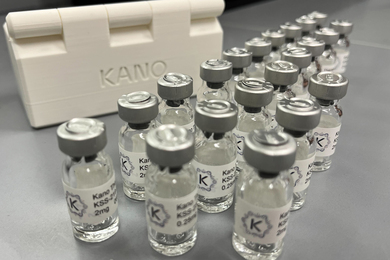
With its circular single-stranded DNA molecules, MIT spinout Kano Therapeutics plans to make gene and cell therapies safer and more effective.

Using a versatile problem-solving framework, researchers show how early relapse in lymphoma patients influences their chance for survival.
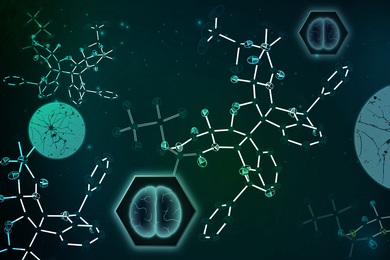
Preliminary studies find derivatives of the compound, known as verticillin A, can kill some types of glioma cells.
BoltzGen generates protein binders for any biological target from scratch, expanding AI’s reach from understanding biology toward engineering it.
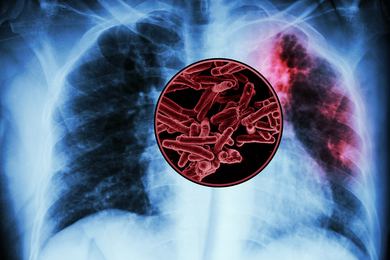
Using these antigens, researchers plan to develop vaccine candidates that they hope would stimulate a strong immune response against the world’s deadliest pathogen.
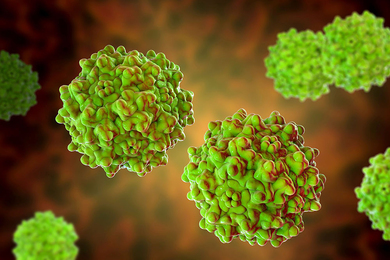
Selective crystallization can greatly improve the purity, selectivity, and active yield of viral vector-based gene therapy drugs, MIT study finds.

Adding amino acids to certain protein-based medications can improve stability and effectiveness. New MIT research demonstrates how it works.

MIT CSAIL and McMaster researchers used a generative AI model to reveal how a narrow-spectrum antibiotic attacks disease-causing bacteria, speeding up a process that normally takes years.

The gathering of Biogen and MIT employees, business leaders, and public officials celebrated the first building to be constructed at Kendall Common.