
Method for stress-testing cloud computing algorithms helps avoid network failures
The “MetaEase” technique provides a heads-up to potential scenarios that could cause long wait-times or outages.
Download RSS feed: News Articles / In the Media / Audio
The “MetaEase” technique provides a heads-up to potential scenarios that could cause long wait-times or outages.
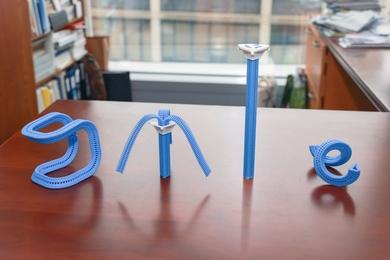
An old patent from MIT Professor Bill Freeman inspired the new “Y-zipper,” a three-sided fastener that snaps gear, robots, and art into shape at the push of a button.
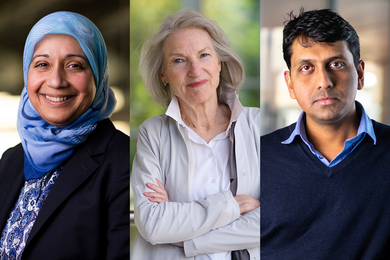
Afreen Siddiqi, Kathleen Thelen, and Vinod Vaikuntanathan, along with alumna Kate Manne, are appointed to the 2026 class of “trail-blazing fellows.”
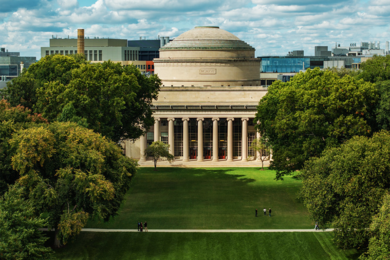
Building on a long-standing MIT–IBM collaboration, the new lab will chart the convergence of AI, algorithms, and quantum computing.
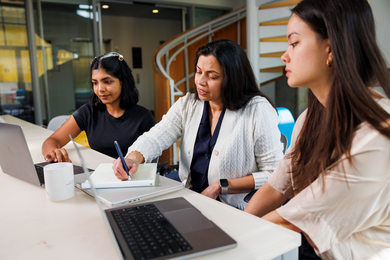
A new method could bring more accurate and efficient AI models to high-stakes applications like health care and finance, even in under-resourced settings.
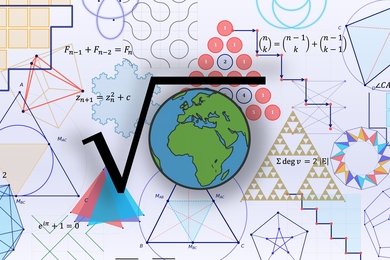
New dataset of 30,000-plus competition math problems from 47 countries gives AI researchers a harder test — and students worldwide a better training ground.

A new training method improves the reliability of AI confidence estimates without sacrificing performance, addressing a root cause of hallucination in reasoning models.
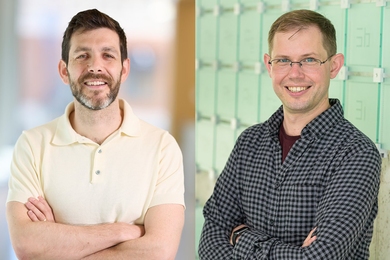
The associate professors of EECS and chemistry, respectively, are honored for exceptional contributions to teaching, research, and service at MIT.
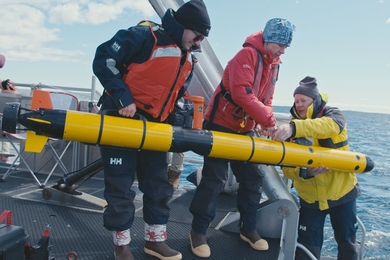
Researchers are developing hardware and algorithms to improve collaboration between divers and autonomous underwater vehicles engaged in maritime missions.
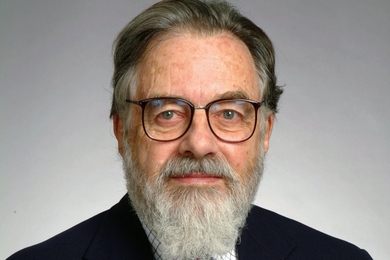
The influential first leader of the Computation Structures Group at MIT played a key role in the development of asynchronous computing.

Researchers use control theory to shed unnecessary complexity from AI models during training, cutting compute costs without sacrificing performance.

Researchers developed a system that intelligently balances workloads to improve the efficiency of flash storage hardware in a data center.
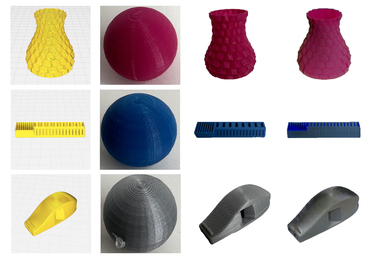
By quickly generating aesthetically accurate previews of fabricated objects, the VisiPrint system could make prototyping faster and less wasteful.
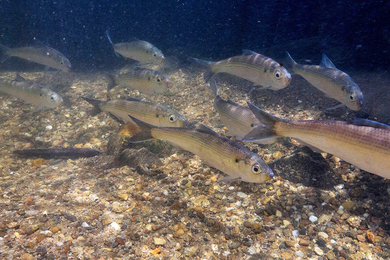
MIT Sea Grant works with the Woodwell Climate Research Center and other collaborators to demonstrate a deep learning-based system for fish monitoring.
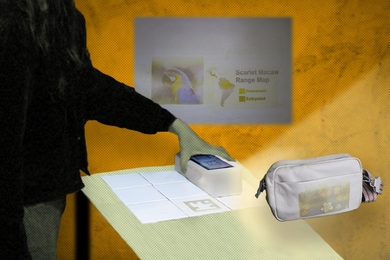
The portable “ChromoLCD” device combines LCD and LED lighting to customize high-quality designs onto things like shirts and whiteboards.