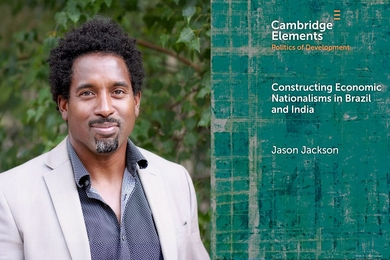
Past is prologue for geopolitical developments
DUSP Associate Professor Jason Jackson’s latest book compares how two countries chose radically different paths to economic independence.
DUSP Associate Professor Jason Jackson’s latest book compares how two countries chose radically different paths to economic independence.
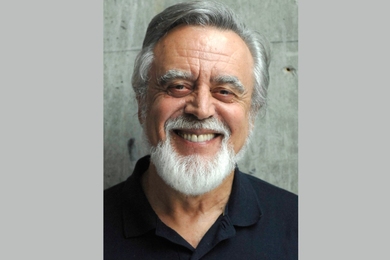
Known for his clear and elegant writing style, Bertsekas shaped fields from control and optimization to large-scale computation and artificial intelligence.
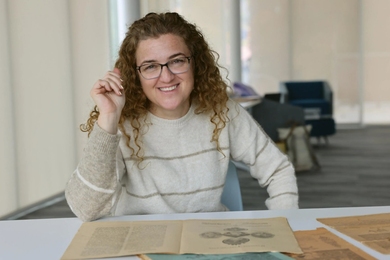
A faculty member since 2011, Ekmekcioglu examines how communities survive, adapt, remember, and make claims on justice under difficult political conditions.
Enjoy these recent titles from Institute faculty and staff.
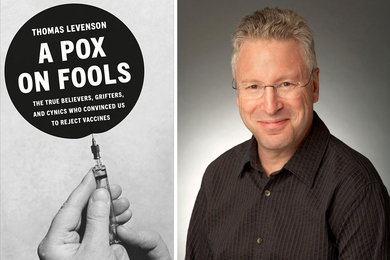
Thomas Levenson’s new book shows how arguments against vaccination reach back to the beginning of the technology itself.
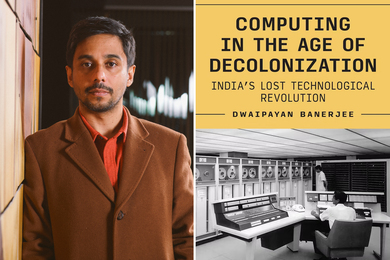
Associate Professor Dwai Banerjee’s new book examines the visionaries who wanted to turn India into a world power at making computers.
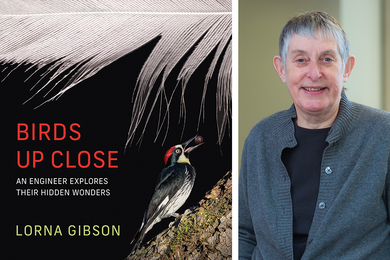
In her new book, “Birds Up Close,” MIT materials engineer Lorna Gibson explores feathers, bones, bills, eggs, and flight, and the mechanics behind birds’ extraordinary abilities.
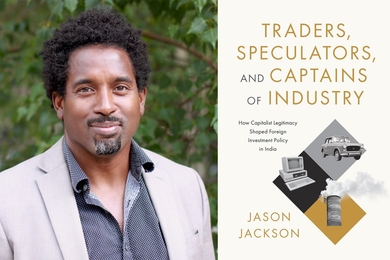
A book by Associate Professor Jason Jackson explores how policymakers moved past post-colonial India to support its own captains of industry.

In “Priority Technologies,” MIT faculty examine key areas of innovation that can drive American prosperity and security — now and in the decades ahead.

For the 250th anniversary of the US, Joshua Bennett’s epic poem set celebrates unexpected lives forged across the nation.

Kate Brown’s book, “Tiny Gardens Everywhere,” examines the hidden history of urban farming, its extensive use, and the politics of growing food.
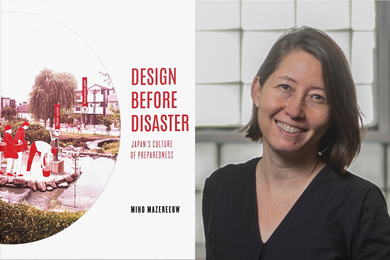
Japan incorporates more disaster planning into its buildings and public spaces than any other nation. Miho Mazereeuw’s new book explains how they do it.
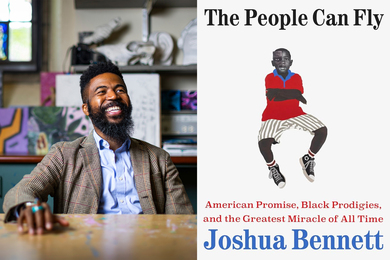
Joshua Bennett’s new book profiles American prodigies, examining the personal and social dimensions of cultivating promise.
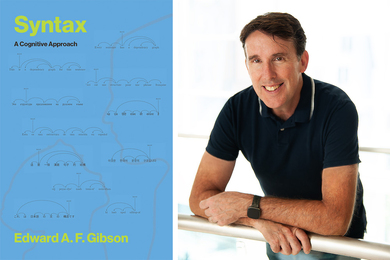
A new book by Professor Ted Gibson brings together his years of teaching and research to detail the rules of how words combine.
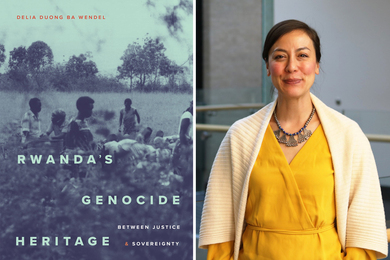
Delia Wendel’s new book illuminates a painful and painstaking effort by citizens to bear witness to atrocities.