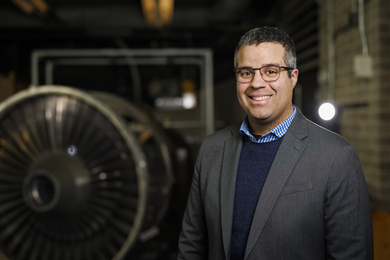
Managing traffic in space
Associate Professor Richard Linares is helping satellites safely navigate in increasingly congested orbits.
Associate Professor Richard Linares is helping satellites safely navigate in increasingly congested orbits.
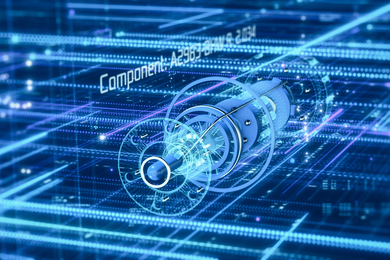
The virtual VideoCAD tool could boost designers’ productivity and help train engineers learning computer-aided design.

MIT engineers designed a versatile interface that allows users to teach robots new skills in intuitive ways.

A new method can physically restore original paintings using digitally constructed films, which can be removed if desired.
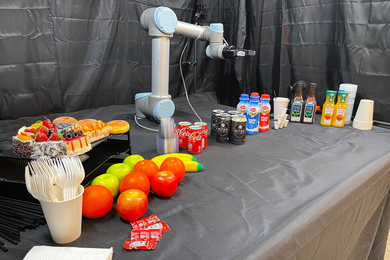
A new approach could enable intuitive robotic helpers for household, workplace, and warehouse settings.
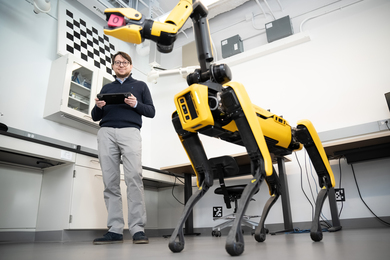
Associate Professor Luca Carlone is working to give robots a more human-like awareness of their environment.

The technique characterizes a material’s electronic properties 85 times faster than conventional methods.

The team’s new algorithm finds failures and fixes in all sorts of autonomous systems, from drone teams to power grids.

Lincoln Laboratory’s Agile MicroSat will be the first small satellite to demonstrate long-duration, low-altitude flight with autonomous maneuvering.
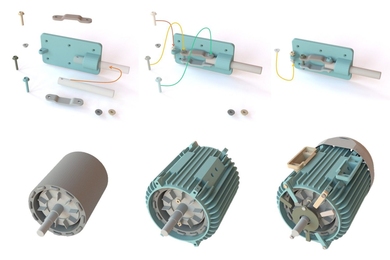
A new algorithm for automatic assembly of products is accurate, efficient, and generalizable to a wide range of complex real-world assemblies.
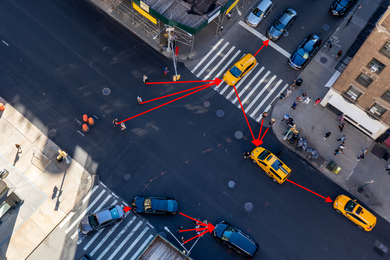
A new machine-learning system may someday help driverless cars predict the next moves of nearby drivers, cyclists, and pedestrians in real-time.

The technology uses tactile sensing to identify objects underground, and might one day help disarm land mines or inspect cables.
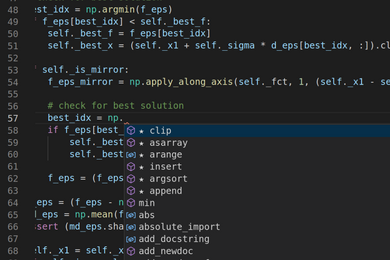
Researchers propose a method for finding and fixing weaknesses in automated programming tools.
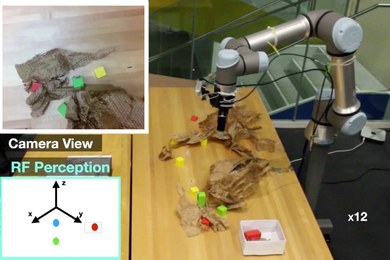
System uses penetrative radio frequency to pinpoint items, even when they’re hidden from view.
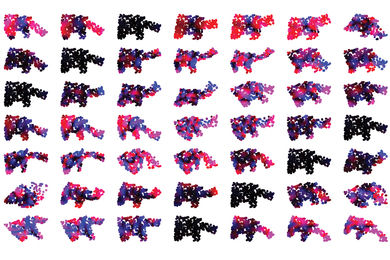
Deep-learning technique optimizes the arrangement of sensors on a robot’s body to ensure efficient operation.