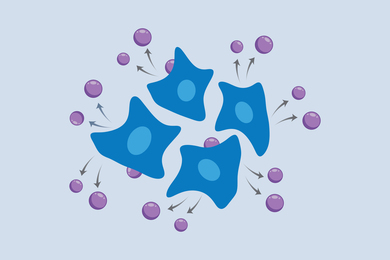
New method allows scientists to follow gene activity over time in the same cells
In the new method, cells package and export their RNA, enabling researchers to sequence and analyze the RNA without killing the cells.
In the new method, cells package and export their RNA, enabling researchers to sequence and analyze the RNA without killing the cells.
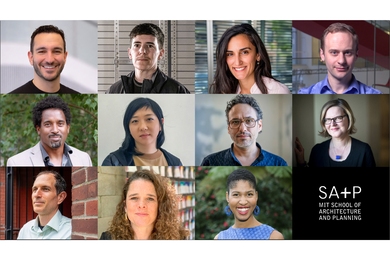
The range of faculty disciplines showcases the breadth of research and scholarship across the school.

The junior, an electrical engineering with computing major, stays busy with many student activities, from giving MIT tours to helping lead her sorority to collaborating with the nonprofit Engineers Without Borders.
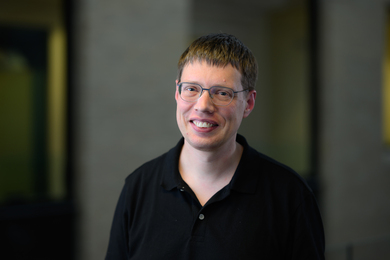
Colleagues remember Rose as an enthusiastic and gracious friend who had recently started a promising research track at MIT.
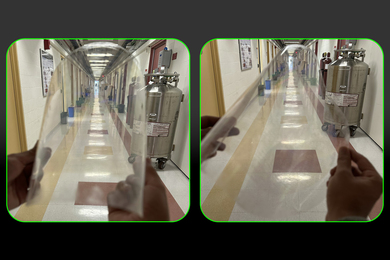
This scalable process produces high-performance chips for applications like discreet wearables or pliable augmented-reality displays.

This advance could be a big step toward developing a scalable, practical quantum computer.
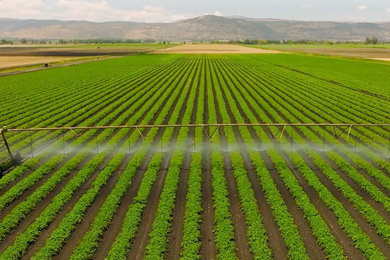
Led by Andee Wallace PhD ’20, Robigo uses cutting-edge biotechnology to engineer microbes to fight pests, reducing the need for harmful chemical pesticides.
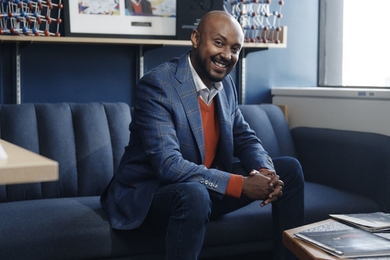
Assistant Professor Iwnetim Abate creates space for ambitious research and sustainable growth for his graduate students.
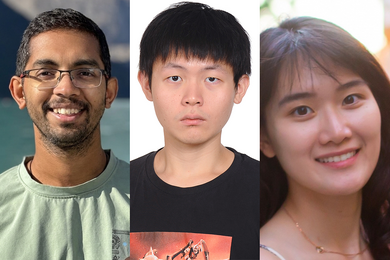
MIT affiliates engage with the MIT-IBM Computing Research Lab to bring rigorous theory to production systems.

A new method, called CW-Net, translates the reasoning process of an autonomous vehicle’s AI system into understandable concepts that explain its behavior.

The senior lecturer, already director of the degree program, will now oversee all aspects of the center’s activities and operations.

A new study reveals insights into populations of neurons affected by Huntington’s disease, schizophrenia, addiction, and other disorders.
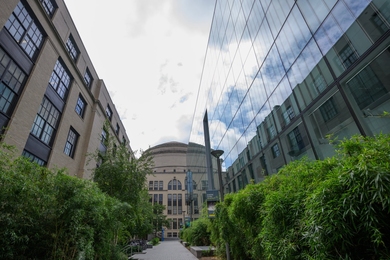
The Institute welcomes its first cohort of QMIT Fellows this fall to advance interdisciplinary quantum research.
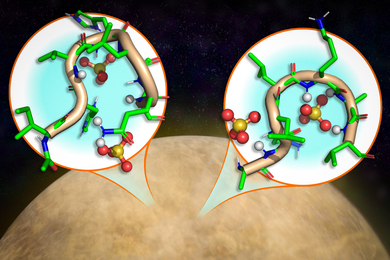
New research offers support for the possibility that complex biological molecules could exist in the highly acidic environment of Venus’s cloud layer.
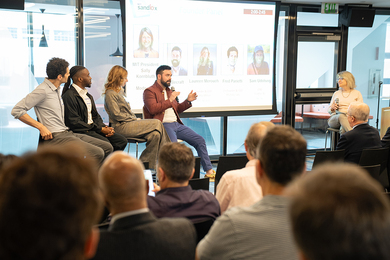
Through a decade of non-dilutive funding, hands-on mentorship, and a safe space to fail fast, the MIT Sandbox Innovation Fund Program has helped students translate curiosity into real-world impact.