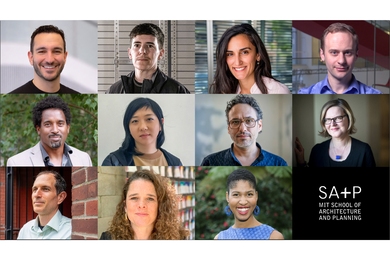
Faculty receive promotions in the School of Architecture and Planning for 2026
The range of faculty disciplines showcases the breadth of research and scholarship across the school.
The range of faculty disciplines showcases the breadth of research and scholarship across the school.

The junior, an electrical engineering with computing major, stays busy with many student activities, from giving MIT tours to helping lead her sorority to collaborating with the nonprofit Engineers Without Borders.
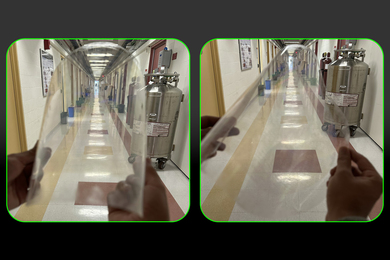
This scalable process produces high-performance chips for applications like discreet wearables or pliable augmented-reality displays.
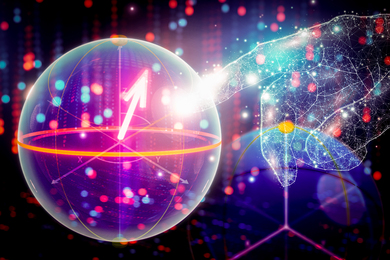
This advance could be a big step toward developing a scalable, practical quantum computer.
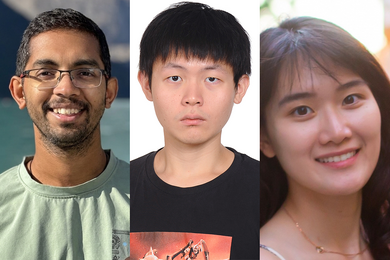
MIT affiliates engage with the MIT-IBM Computing Research Lab to bring rigorous theory to production systems.
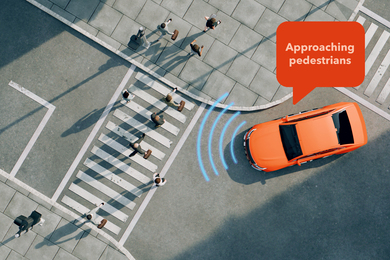
A new method, called CW-Net, translates the reasoning process of an autonomous vehicle’s AI system into understandable concepts that explain its behavior.
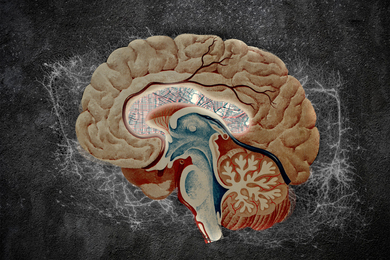
A new study reveals insights into populations of neurons affected by Huntington’s disease, schizophrenia, addiction, and other disorders.
The Institute welcomes its first cohort of QMIT Fellows this fall to advance interdisciplinary quantum research.
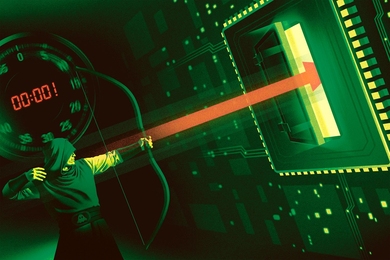
MIT CSAIL researchers found a way to exploit a split-second gap in chip security — and used it to acquire a Linux system’s password file.
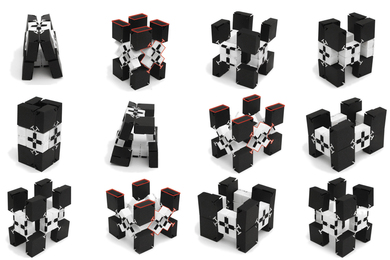
Dubbed “bifur-circuits,” these interactive building blocks could be used to develop reconfigurable robotic grippers or customized assistive devices.
A new, scalable technique could enable powerful radars and sensors based on quantum technology that works at room temperature.

A new method for surgically removing training examples from a model reveals that as datasets grow, the link between what a model learns and what it produces dissolves.
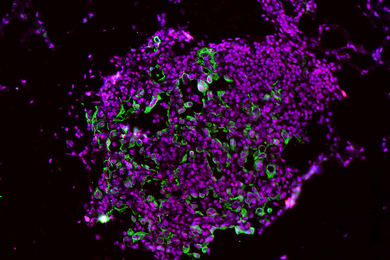
A new study by MIT researchers shows that inhibiting caspase-1 can reduce the risk of tumor growth.
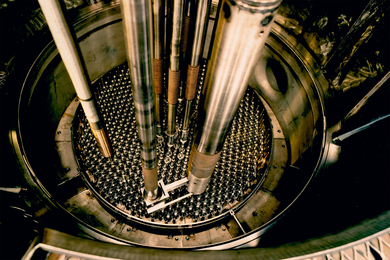
New understanding of how nuclear fuel breaks down and changes in an operating nuclear reactor could help keep some reactors running longer, will inform the next generation of nuclear reactor fuel systems.
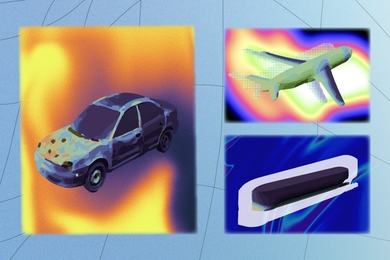
“GeoPT” helps AI models understand the basics of physics so they can simulate how objects respond to things like wind and water more efficiently and accurately.